For centuries, red wine has been celebrated as a delightful beverage and a health elixir. From ancient civilizations to modern dinner tables, red wine has been credited with various health benefits, including the tantalizing promise of anti-aging. But how much of this is rooted in science, and how much is simply folklore? This article aims to dissect the claims and counterclaims surrounding red wine’s alleged anti-aging benefits. Through a balanced examination of scientific studies, historical context, and biological mechanisms, readers will gain a comprehensive understanding of whether red wine truly holds the key to the fountain of youth.
The History Of Red Wine As A Health Elixir

Red wine’s reputation as a health-promoting substance dates back to ancient times. Civilizations like the Greeks and Romans used wine for medicinal purposes, including as an antiseptic and a digestive aid. The concept of wine, particularly red wine, as an anti-aging elixir has roots in these historical practices. The belief was so widespread that even some religious texts mention wine’s healing properties.
In the modern era, the notion of red wine as a health elixir has been popularized through various media outlets and health publications. However, it’s essential to note that while historical accounts provide a rich context, they are not scientific evidence. Does red wine genuinely offer anti-aging benefits, or is this merely a romanticized notion passed down through generations?
What Constitutes Red Wine?
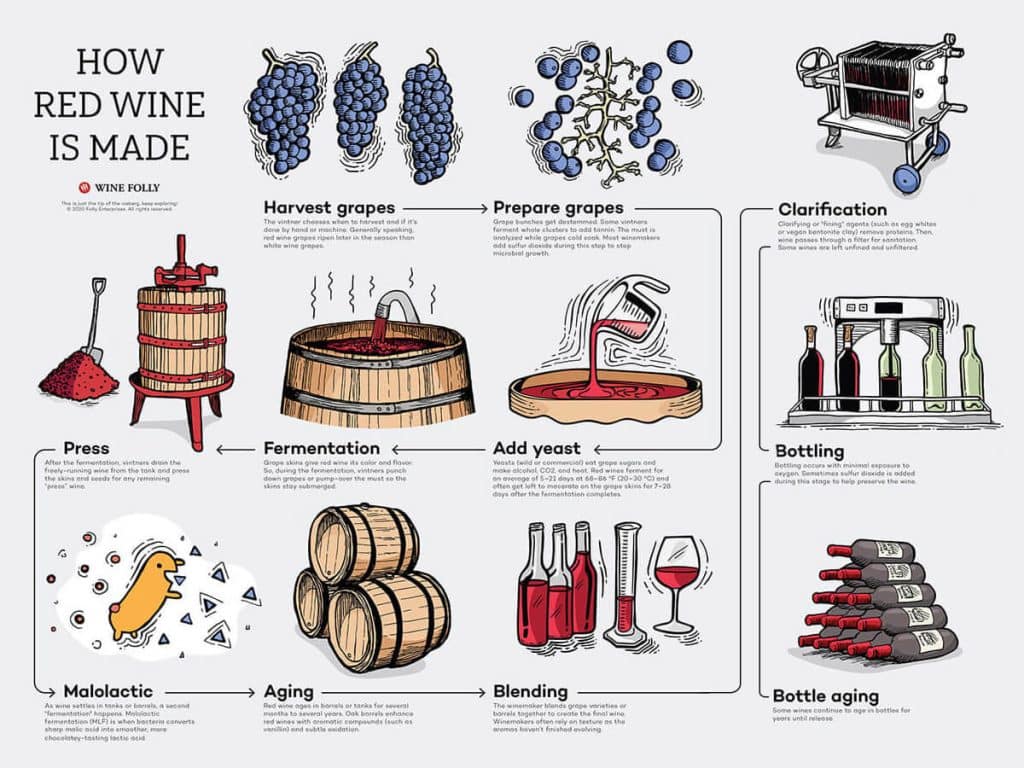
Understanding what makes red wine unique is crucial for evaluating its potential health benefits. Red wine is made from dark-colored grape varieties and typically includes grape skins, seeds, and stems during fermentation. This process results in a beverage rich in certain compounds like resveratrol, flavonoids, and tannins, often cited in discussions about its health benefits.
These bioactive compounds interact with biological systems, potentially offering various health advantages. Resveratrol, for instance, is a type of polyphenol that has been studied for its antioxidant properties. Flavonoids also possess antioxidant qualities, while tannins contribute to the wine’s flavor and may have their own health benefits. These components form the basis for the argument that red wine could have anti-aging effects.
The Science Behind Anti-Aging
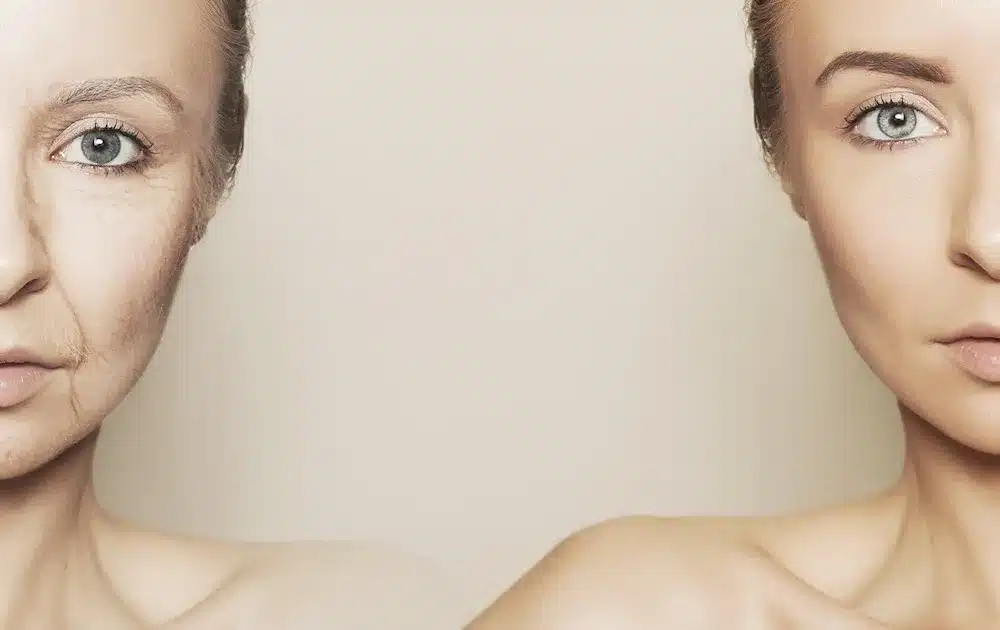
Anti-aging is a term that often appears in marketing materials and popular media, but what does it mean scientifically? In biological terms, aging involves various processes, including cellular senescence, DNA damage, and oxidative stress. These processes contribute to the physical and cognitive decline associated with getting older. The idea is that mitigating these factors could theoretically slow down the aging process.
Substances like resveratrol in red wine are thought to interact with these aging processes. For example, resveratrol has been shown to activate certain body pathways involved in cell survival and stress resistance. However, most of these studies have been conducted in animal models or in vitro, meaning their applicability to humans remains a subject of ongoing research.