Contents
Effects On Daily Life

The impact of chronic fatigue extends well beyond physical tiredness, often affecting multiple facets of daily life. The condition can severely limit one’s ability to perform routine tasks, like household chores or even personal hygiene, thereby compromising the quality of life. The inability to fulfill daily responsibilities can lead to feelings of guilt and inadequacy, perpetuating a cycle of emotional distress that further exacerbates the condition.
Not only does chronic fatigue affect personal life, but it also has significant implications for work or academic performance. Sufferers might find it challenging to concentrate, maintain regular attendance, or meet deadlines, leading to decreased productivity and potential job loss. The far-reaching consequences underscore the importance of early diagnosis and intervention, making it crucial to take this condition seriously and seek professional help promptly.
Current Treatments And Therapies
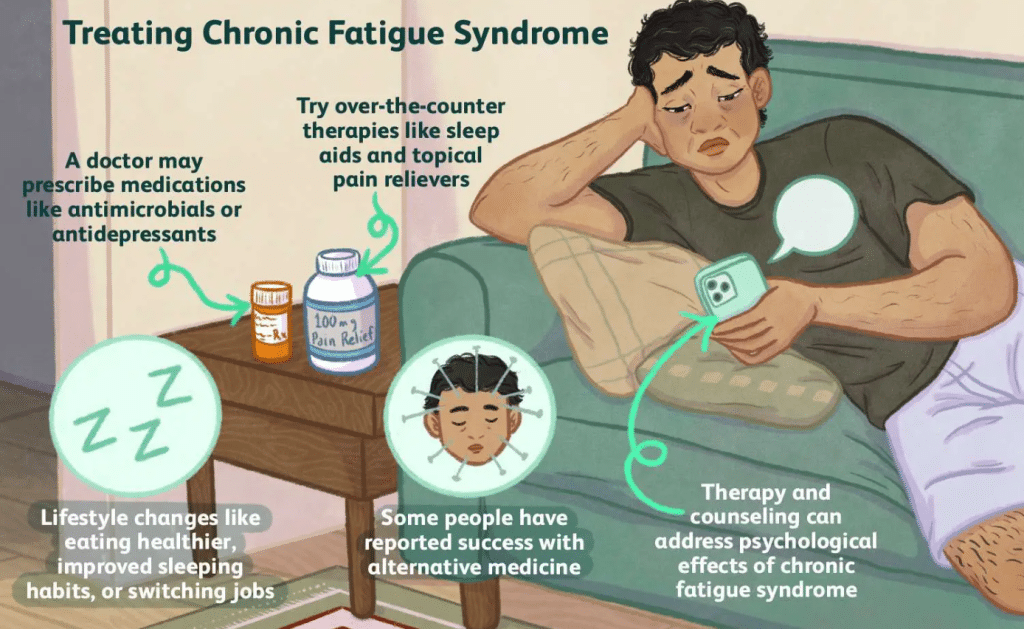
The treatment landscape for chronic fatigue is as diverse as the symptoms it presents. Pharmaceutical options such as antiviral medication and low-dose antidepressants have shown some promise in symptom management. However, no one-size-fits-all remedy exists, making it crucial for healthcare providers to develop personalized treatment plans that address the specific needs and symptoms of each individual.
Alternative treatments and therapies have also emerged as viable options for managing chronic fatigue. Practices like acupuncture, yoga, and dietary adjustments have shown benefits in some cases, although scientific consensus is still pending. Alongside medical treatments, lifestyle changes such as improved sleep hygiene, stress management techniques, and moderate exercise can also be beneficial. As with any medical condition, it’s essential to consult healthcare providers for accurate diagnosis and appropriate treatment recommendations.
The Role Of Technology

In the age of smartphones and wearables, technology offers exciting opportunities for managing chronic fatigue. Wearable devices can help monitor sleep patterns, physical activity, and even stress levels, providing valuable data that can be used to tweak treatment plans. These insights empower individuals to take an active role in their health, making it easier to spot triggers or patterns that may be contributing to their condition.
Online communities and apps dedicated to chronic fatigue syndrome also offer invaluable support. These platforms not only provide a space for sharing experiences and coping strategies but also serve as a treasure trove of information, often curated or vetted by healthcare professionals. Additionally, telehealth services make it easier than ever to consult experts, particularly for those who find it challenging to leave their homes due to the debilitating nature of the condition. When leveraged wisely, technology can be a robust ally in the fight against chronic fatigue.

Entering the healthcare system with symptoms of chronic fatigue can be a daunting experience. First and foremost, a proper diagnosis is essential for effective treatment, but getting there often requires advocating for oneself. Patients may need to undergo various tests and evaluations, sometimes from multiple healthcare providers, to rule out other conditions. Being proactive in seeking medical advice and insisting on comprehensive evaluations is a crucial step in arriving at a definitive diagnosis.
Once diagnosed, the journey is far from over. Understanding insurance coverage, finding specialists, and even figuring out treatment affordability are other challenges that individuals often face. Being prepared with questions for healthcare providers and doing some homework on treatment options can make the process less overwhelming. Collaborative care, involving medical professionals, therapists, and sometimes even nutritionists, is often the most effective strategy, but coordination among these experts is key.
The Importance Of Social Support

Living with chronic fatigue is not just a medical journey but also an emotional one, making the role of a solid support network invaluable. Friends and family can provide both emotional encouragement and practical assistance, like accompanying one to medical appointments or helping with daily chores. While chronic fatigue is often invisible, making it hard for others to understand the depth of its impact, education and open communication can help build a more empathetic environment.
In addition to friends and family, many find solace in support groups and online communities. These spaces offer the chance to connect with others who are experiencing similar challenges, providing a unique form of emotional sustenance. Sharing stories, coping strategies, and even treatment successes or failures can lead to improved well-being and a stronger sense of community. Never underestimate the power of social support; it can be a transformative element in the management of chronic fatigue.
Navigating the complexities of chronic fatigue in the 21st century requires a multi-faceted approach that blends medical, technological, and social resources. As awareness grows, so does the arsenal of tools available for diagnosis, treatment, and overall management. With continued research and public discourse, the hope is for a future where chronic fatigue is not just understood but also more effectively treated. The journey may be fraught with challenges, but with accurate information and the proper support, individuals can chart a course toward better health and improved quality of life.