Contents
Studies Supporting The Anti-Aging Benefits Of Red Wine

Several scientific studies support the notion that red wine has anti-aging benefits. For instance, research has shown that resveratrol can extend the lifespan of yeast, worms, and even some fish. These studies often focus on how resveratrol affects cellular mechanisms, such as activating the SIRT1 gene linked to longevity.
However, it’s crucial to approach these findings with caution. Many of these studies have limitations, such as small sample sizes or a focus on non-human subjects. Additionally, the concentration of resveratrol in red wine is much lower than the amounts used in these studies, raising questions about the practical implications of these findings for human consumption.
The Role Of Moderation
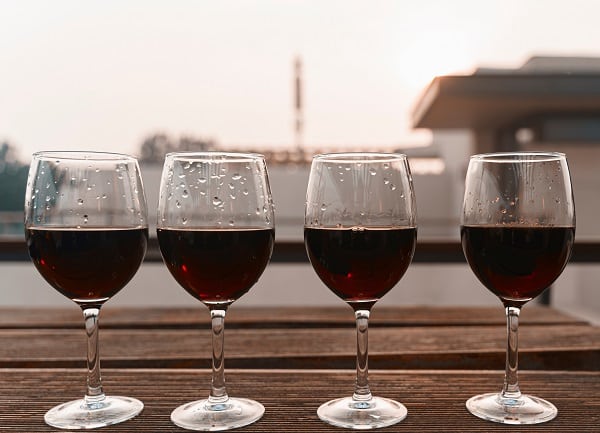
The saying “too much of a good thing can be bad” holds when discussing red wine and its potential health benefits. Consuming red wine in excess can lead to a range of health issues, including liver disease, increased risk of certain cancers, and other alcohol-related problems. These negative effects could easily outweigh any potential anti-aging benefits.
It’s also worth noting that the alcohol content in red wine can have detrimental effects, especially when consumed in large quantities. Moderation is key for those considering red wine for its potential anti-aging benefits. Medical guidelines recommend limiting consumption to one glass per day for women and up to two for men.
Alternatives To Red Wine For Anti-Aging
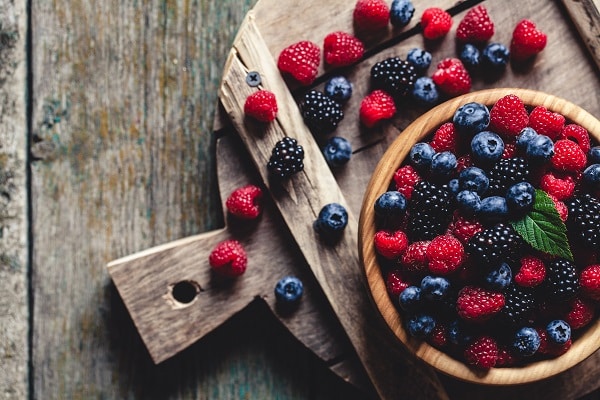
For those skeptical about red wine’s anti-aging benefits or who prefer not to consume alcohol, there are alternative routes to explore. Antioxidant-rich foods like berries, nuts, and green tea offer some of the same compounds found in red wine, such as flavonoids. Exercise is another proven method for improving longevity and reducing the signs of aging.
A balanced diet rich in fruits, vegetables, and lean proteins can contribute to a healthier, longer life. Some studies even suggest that caloric restriction without malnutrition can extend lifespan, although this is still a topic of ongoing research. These alternatives provide multiple pathways for those interested in anti-aging strategies without relying on red wine.
Practical Tips For Consuming Red Wine
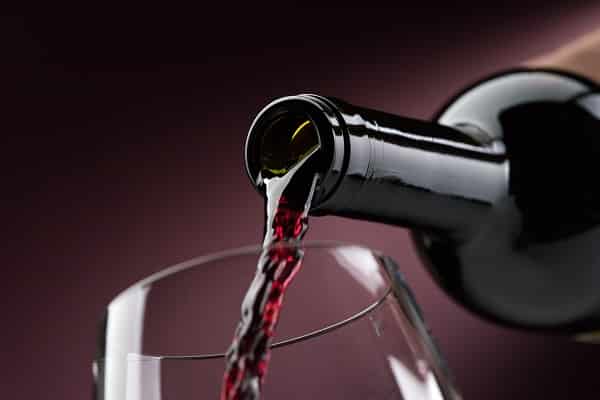
If one chooses to incorporate red wine into their anti-aging regimen, there are practical considerations to consider. Opting for high-quality red wines that are rich in polyphenols is a good start. Some varieties, like Pinot Noir and Cabernet Sauvignon, are particularly high in these beneficial compounds.
Timing and portion control are also important. Consuming red wine with meals can enhance its antioxidant absorption while also mitigating some of the negative effects of alcohol. As for serving sizes, sticking to the recommended guidelines of one glass for women and up to two for men can help ensure that any potential benefits are not outweighed by the risks.
The Bottom Line
The question of whether red wine offers anti-aging benefits is complex and nuanced. While some scientific studies support the idea, others challenge it, and many suffer from methodological limitations. The key compounds in red wine, such as resveratrol, have shown promise in laboratory settings, but their effectiveness in humans remains a subject of debate. Moreover, the potential benefits of red wine must be weighed against the risks, especially when considering the negative health impacts of excessive alcohol consumption.