A good night’s sleep is vital for your physical and mental well-being. Adequate rest allows your body to recover and recharge, impacting your mood, cognitive functions, and overall health. Diet plays an integral role in regulating your sleep patterns, and the foods you consume can significantly influence the quality and duration of your slumber. In this blog post, you’ll explore a selection of nutrient-rich foods that have been shown to promote better sleep. From the tropical goodness of kiwi to the humble almond, you’ll uncover how these foods can naturally enhance your sleep without relying on sleep aids or medication. By making simple dietary adjustments, you can pave the way for a more restful and rejuvenating night’s sleep.
Kiwi
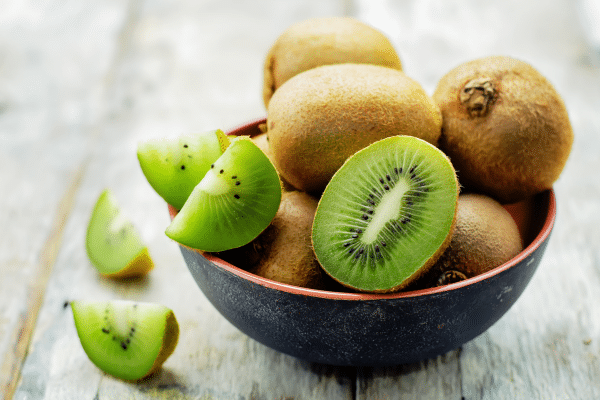
Kiwi, the vibrant green fruit, packs a nutritional punch when it comes to promoting better sleep. This fruit is renowned for its high vitamin C content, which not only bolsters your immune system but also plays a crucial role in sleep regulation. Additionally, kiwis contain serotonin, a neurotransmitter that helps regulate your sleep-wake cycle. By incorporating kiwi into your diet, you can increase your serotonin levels, which may result in improved sleep patterns. The combination of these factors makes kiwi an excellent choice for a pre-bedtime snack or part of your evening meal.
Furthermore, kiwi’s relatively low calorie count and high fiber content make it a guilt-free option for those concerned about calorie intake before sleep. Its natural sweetness satisfies your taste buds without overloading you with sugar. So, next time you’re looking for a healthy and sleep-friendly snack, consider reaching for a kiwi to promote a restful night.
Almonds
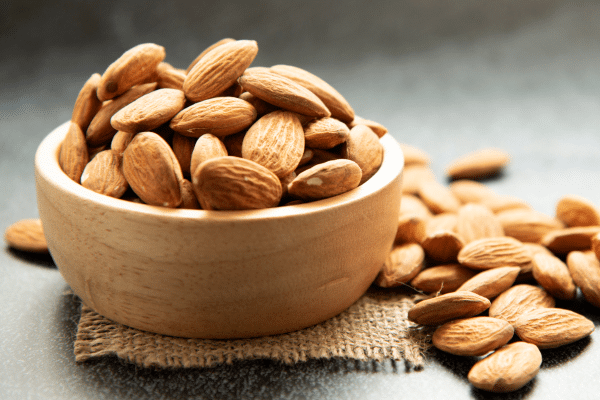
When it comes to healthy snacks that promote better sleep, almonds are a top contender. These nutrient-packed nuts are rich in magnesium, a mineral that plays a pivotal role in relaxing muscles and promoting a sense of calm – both essential components of quality sleep. Magnesium deficiency can lead to restless sleep and frequent awakenings during the night, making almonds an excellent choice for those looking to enhance their sleep quality naturally.
In addition to magnesium, almonds contain tryptophan, an amino acid involved in the production of melatonin – the hormone responsible for regulating sleep-wake cycles. While turkey is often cited as a source of tryptophan, almonds offer a more versatile and convenient option for snacking or incorporating into various dishes. By including a handful of almonds in your daily diet, you can help your body produce the melatonin needed for a good night’s sleep, all while enjoying their crunchy texture and nutty flavor.
Turkey

Turkey, often associated with holiday feasts, can do more than just satisfy your taste buds. This lean protein source contains tryptophan, an amino acid that plays a crucial role in the synthesis of serotonin and melatonin, the hormones responsible for regulating sleep. While it’s a common misconception that turkey is the primary source of tryptophan, it still contributes to a restful night’s sleep when included in your diet. By incorporating turkey into your meals, you can provide your body with the building blocks it needs for improved sleep quality.
Aside from its tryptophan content, turkey is also a lean protein source, which can help stabilize blood sugar levels and promote a feeling of fullness. This can be particularly beneficial if you tend to experience nighttime hunger or blood sugar spikes that disrupt your sleep. Consider adding turkey breast to salads, sandwiches, or as a lean protein source for your evening meal to reap its sleep-promoting benefits while enjoying a satisfying and balanced diet.