Coffee And Caffeine
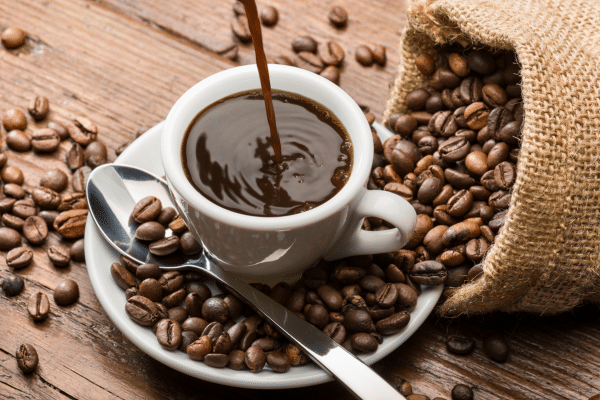
Many people relish the invigorating jolt of energy delivered by coffee and other caffeinated beverages. However, these drinks can relax the lower esophageal sphincter, allowing stomach acid to escape into the esophagus. The result is often an unwelcome, burning sensation, disrupting the enjoyment that typically accompanies a favorite brew.
Alternatives to traditional caffeinated drinks can offer the warmth and comfort without the associated reflux. Herbal teas, for example, provide a flavorful and aromatic option that lacks the caffeine content known to exacerbate acid reflux. Incorporating these gentler alternatives into one’s daily routine can lead to a significant reduction in acid reflux occurrences while still offering delightful beverages to savor.
Chocolate
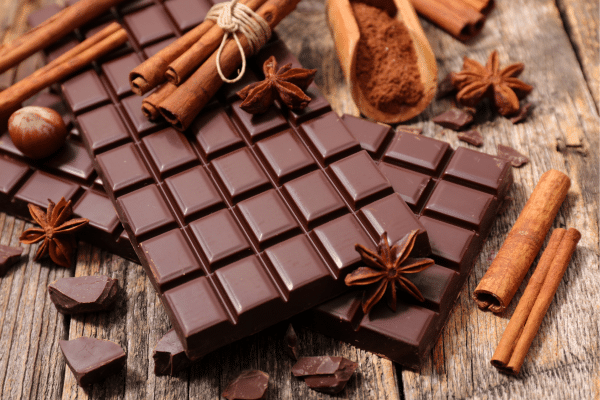
Chocolate, a universally beloved treat, contains components like caffeine, fat, and cocoa that can trigger acid reflux. The delightful, yet potentially problematic, dessert can lead to the relaxation of the lower esophageal sphincter, enabling stomach acid to make its unwelcome ascent. For those prone to acid reflux, indulging in chocolate can often precede discomfort.
However, there is no need to abandon the enjoyment of sweet treats entirely. Many dessert alternatives can satisfy a sweet tooth without triggering acid reflux. Options like fruit salads, non-citrus fruit pies, or even certain low-fat cookies can offer a delightful ending to a meal, minimizing the risk of subsequent discomfort. Each person’s tolerance can vary, so identifying and adhering to individual dietary boundaries is essential.
Carbonated Drinks

The effervescence of carbonated drinks can often lead to an uncomfortable rise in stomach pressure. This increased intra-abdominal pressure encourages the backflow of stomach acid into the esophagus, culminating in the familiar burn of acid reflux. Beverages like soda and sparkling water, though refreshing, can exacerbate this condition.
In pursuit of symptom relief, one might consider non-carbonated alternatives. Still, water, herbal teas, and various juice options not high in citric acid can prove to be refreshing and satisfying. These alternatives quench thirst without contributing to the uncomfortable sensations associated with acid reflux, offering both hydration and comfort.
Alcohol

Alcohol consumption has a twofold impact on acid reflux. It not only increases the production of stomach acid but also relaxes the lower esophageal sphincter. This combination facilitates the undesirable ascent of stomach acid into the esophagus, triggering the painful and bothersome symptoms of acid reflux.
The moderation of alcohol consumption can be a pivotal step in managing acid reflux symptoms. For those seeking alternatives, non-alcoholic beverages or diluting alcoholic drinks can mitigate their impact on the stomach and esophagus. Paying attention to the body’s response post-consumption aids in identifying which drinks to limit or avoid.
The Bottom Line
Navigating the landscape of acid reflux involves identifying and managing specific dietary triggers. Each individual may react differently to certain foods and beverages, so personalized assessment and adjustment are crucial. By becoming attuned to these personal triggers, one can adopt a tailored approach to diet, reducing the frequency and severity of acid reflux episodes. Incorporating alternatives and moderating the intake of known triggers can lead to a more comfortable and enjoyable eating experience, free from the distressing and uncomfortable sensations of acid reflux. A balanced approach, coupled with professional medical advice, paves the way towards effective management of this common condition.