Blood oxygen levels play a crucial role in maintaining vitality and overall well-being. Adequate levels ensure that every cell and organ receives the oxygen required to function optimally. Conversely, low oxygen levels can lead to various health issues, including breathlessness, fatigue, and in severe cases, hypoxia. With an increasing number of individuals becoming health conscious, understanding and implementing ways to optimize blood oxygen levels is paramount. This post aims to provide a comprehensive guide, offering actionable strategies and insights on enhancing oxygen levels for optimal health and performance.
Practice Breathing Exercises

Breathing exercises are fundamental in enhancing oxygen levels in the blood. Deep breathing and pursed-lip breathing are among the most effective techniques. By intentionally taking deep, slow breaths, individuals can increase their lung capacity and optimize the amount of oxygen that enters the bloodstream. Moreover, such practices aid in the efficient expulsion of carbon dioxide, a waste product of metabolism, from the body. Over time, consistent practice of breathing exercises can lead to enhanced respiratory strength, increased energy levels, and an improved sense of well-being.
Pursed-lip breathing, another practical technique, involves inhaling through the nose and exhaling slowly through pursed lips. This method aids in keeping the airways open for a longer time, facilitating optimal oxygen exchange. Integrating these breathing exercises into daily routines can be a game changer. Not only do they boost oxygen levels, but they also contribute to stress reduction and mental clarity, owing to increased oxygen availability to the brain.
Maintain A Healthy Diet
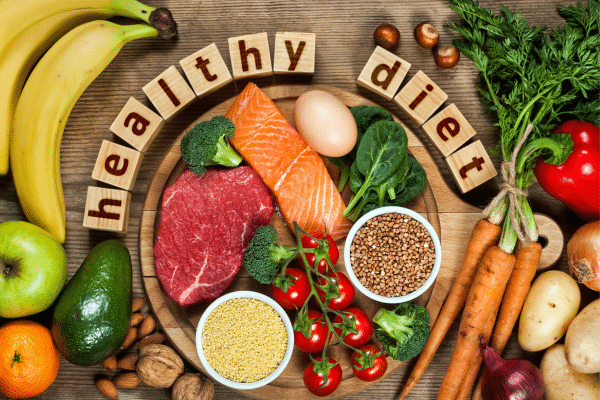
A balanced and nutritious diet is integral to achieving optimal blood oxygen levels. Foods rich in antioxidants, such as fruits and vegetables, are particularly beneficial. Antioxidants combat free radicals that can inhibit oxygen transport and utilization within the body. By consuming a diet abundant in these nutrients, individuals can enhance their body’s efficiency in utilizing oxygen and improve overall cellular function.
In addition to antioxidants, essential minerals like iron play a pivotal role in oxygen transport. Foods rich in iron, such as lean meats and leafy greens, boost the production of hemoglobin, a protein in red blood cells responsible for carrying oxygen throughout the body. By incorporating a variety of these nutrient-dense foods, one can support optimal blood oxygen levels and promote overall health and vitality.
Increase Physical Activity

Engaging in regular physical activity is essential for enhancing cardiovascular health and increasing lung capacity, which in turn, boosts blood oxygen levels. Exercise promotes an efficient heart and lung function, increasing the oxygen transport to various tissues and cells throughout the body. Activities like jogging, swimming, and cycling not only strengthen the heart but also enhance the lungs’ ability to take in oxygen, positively impacting overall health and stamina.
The benefits of consistent physical activity are multifaceted, transcending beyond improved oxygen levels. Regular exercise fosters enhanced metabolic rates, improved mood, and increased energy levels. The incorporation of both aerobic and anaerobic exercises can contribute to a balanced, well-rounded fitness regime that supports optimal oxygenation and overall health enhancement.