

Food cravings can be an overwhelming experience, dictating impulses that drive individuals to indulge in specific foods, often high in sugars or fats. These intense desires can derail efforts to maintain a healthy diet and lifestyle. Addressing this issue requires strategic actions and lifestyle adjustments aimed at reducing the frequency and intensity of cravings. This article delves into various methods proven effective in curbing these unruly desires, helping individuals stay on track with their health goals, enjoy a balanced diet, and foster an overall sense of wellness.
Eat Filling, Nutrient-Dense Foods
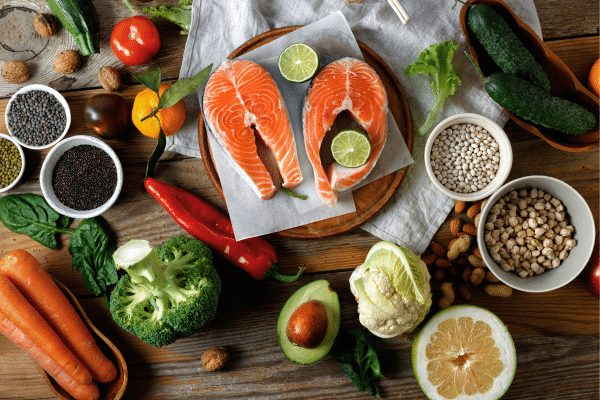
A diet rich in nutrient-dense foods plays a pivotal role in keeping food cravings at bay. Foods high in protein, fiber, and healthy fats are not only essential for overall health but also instrumental in promoting satiety. They slow down digestion, stabilize blood sugar levels, and provide sustained energy. Incorporating foods like lean meats, whole grains, legumes, fruits, and vegetables ensures a well-rounded intake of vital nutrients and minimizes the inclination to seek out less nutritious options.
In addition to curbing hunger, nutrient-dense foods offer a plethora of health benefits. They foster optimal bodily function, enhancing mental and physical performance. Choices like nuts, seeds, avocados, and leafy greens provide essential vitamins, minerals, and antioxidants that bolster the immune system, improve cognitive function, and mitigate the risk of chronic diseases. Thus, a diet abundant in these foods not only diminishes cravings but also propels overall wellness.
Plan Your Meals

Consistency and preparation are crucial in the journey to overcome food cravings. By planning meals ahead of time, individuals can ensure a balanced and varied diet, making it easier to avoid succumbing to whims of intense desires for specific foods. Organizing weekly menus, preparing meals in advance, and having ready-to-eat healthy options accessible diminishes reliance on unhealthy, convenient options that are often sought out in moments of intense hunger.
Another advantage of meal planning is the empowerment it affords in making informed, deliberate choices. When meals are planned, there is a reduced tendency to opt for quick, often unhealthy options. It facilitates a balanced intake of proteins, carbs, and fats, promoting satiety and nutritional adequacy. Knowing what and when to eat helps in maintaining a steady energy level, mitigating the onset of cravings often exacerbated by energy lows.
Drink Plenty Of Water

Hydration is an often overlooked but critical factor in managing food cravings. The body sometimes confuses signals of thirst for hunger, leading to unnecessary eating. By consuming adequate amounts of water throughout the day, this mix-up is less likely to occur. Moreover, drinking water before meals can enhance the feeling of fullness, aiding in portion control and reducing the intake of excessive calories.
Besides preventing mistaken hunger, adequate hydration supports overall bodily functions, including metabolism and energy production. Water aids digestion, nutrient absorption, and the elimination of waste products, promoting overall wellness. A well-hydrated body ensures that all systems operate optimally, reducing the likelihood of cravings that can arise from nutritional imbalances or deficiencies.