
Alcohol

While moderate alcohol consumption can have certain health benefits, excessive intake can lead to a rise in blood pressure. Alcohol can interfere with the effectiveness of blood pressure medications, making it a challenge to manage the condition. It’s essential for individuals with hypertension to be mindful of their alcohol consumption to prevent exacerbating their condition.
Moderation is key when it comes to alcohol. Limiting intake and choosing drinks with lower alcohol content can mitigate the impact on blood pressure. Additionally, alternating alcoholic drinks with water or other non-alcoholic beverages can help to moderate consumption while staying hydrated.
Processed Grains
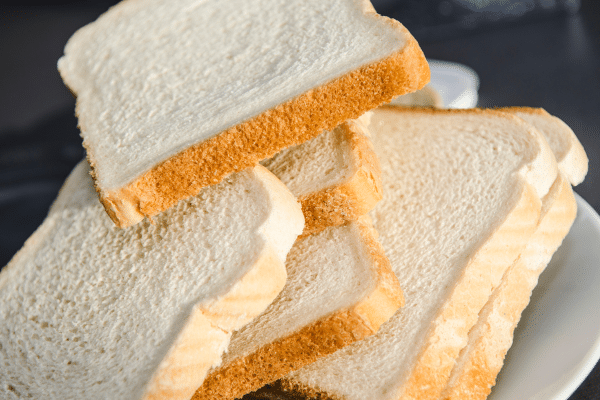
Processed grains are often stripped of their fiber and essential nutrients during refinement, leading to a product that can adversely affect blood sugar and insulin levels. The lack of dietary fiber means these grains can cause a rapid increase in blood sugar levels, leading to an increase in blood pressure. Processed grains are typically found in white bread, pasta, and various snacks.
Incorporating whole grains into the diet can have a positive effect on blood pressure. Foods like brown rice, quinoa, barley, and whole wheat products contain more fiber and nutrients, promoting better digestion and metabolic health. Making a conscious effort to choose whole grain options can contribute significantly to a diet that supports the management of high blood pressure.
Fried Foods
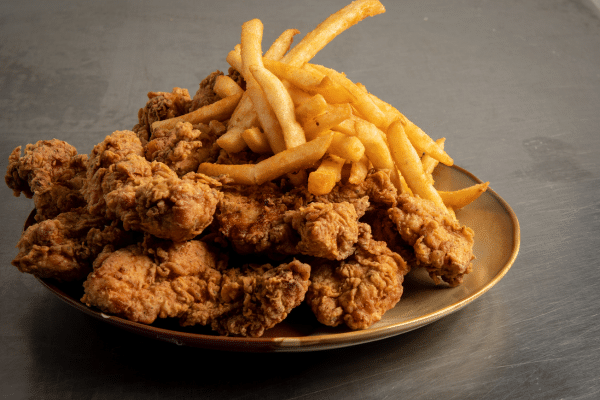
Fried foods are notoriously high in unhealthy fats and sodium, both of which can exacerbate high blood pressure. Items like french fries, fried chicken, and other fast-food staples are often cooked in hydrogenated oils, rich in trans fats. These unhealthy fats can lead to weight gain, increased bad cholesterol levels, and elevated blood pressure, impacting overall cardiovascular health.
Choosing cooking methods such as grilling, baking, or steaming can mitigate these adverse effects. These methods do not require the excessive use of oils and help in retaining the nutritional value of the food. Consuming foods prepared using these techniques can contribute to a balanced diet and aid in managing blood pressure levels effectively.
Pickled Foods
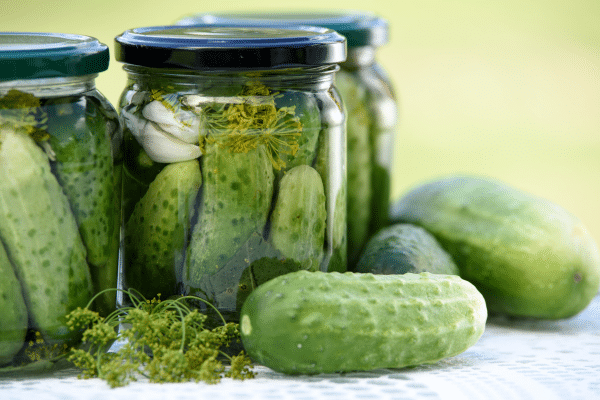
Pickled foods, including pickles, olives, and certain types of relishes, often contain a high sodium content due to the preservation process. While they can be a tasty addition to a variety of dishes, the salt content can be a concern for individuals with high blood pressure. Excessive sodium intake causes the body to retain water, increasing the volume of blood in your arteries and leading to higher blood pressure.
Fortunately, fresh alternatives abound. Incorporating a variety of fresh vegetables into the diet not only reduces sodium intake but also provides essential nutrients and antioxidants. By making a conscious choice to limit the consumption of pickled items and focus on fresh produce, individuals with high blood pressure can take a positive step toward managing their condition.
The Bottom Line
Navigating dietary choices is crucial for individuals with high blood pressure. Avoiding foods high in sodium, unhealthy fats, and sugar while embracing a diet rich in fresh, whole foods can significantly impact blood pressure management. It’s about making informed choices, reading labels, and being mindful of the preparation methods. By adopting a balanced approach to eating, individuals with hypertension can effectively manage their condition, promoting overall well-being and reducing the risk of associated health complications. Every small, positive change in diet contributes to a journey towards better health.