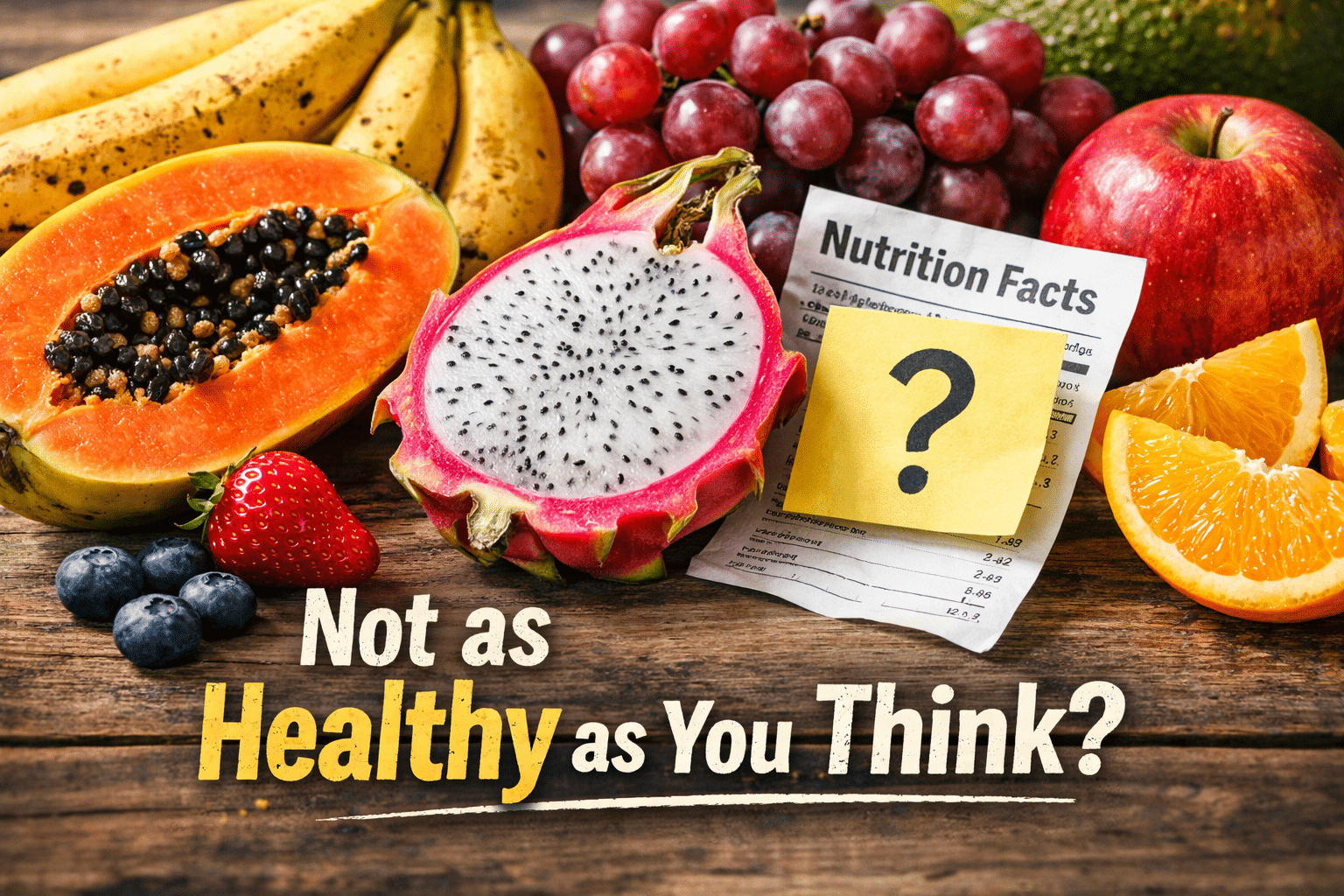
Navigating through life with achy joints can be a daily struggle, impacting everything from your mobility to your mood. The good news is that your diet plays a significant role in joint health, offering a pathway to relief. This article aims to shed light on the foods that could be making your joint pain worse. By understanding the science behind inflammation and the role of specific foods, you can make informed choices for a more comfortable life. So, let’s delve into the dietary culprits that might be exacerbating your joint pain and explore healthier alternatives.
The Science Behind Achy Joints

Joint pain can be a complex issue, often resulting from a variety of factors such as inflammation, wear and tear, or even autoimmune conditions. Inflammation is the body’s natural response to injury or infection, but when it becomes chronic, it can lead to persistent pain. Foods that trigger inflammation can exacerbate this condition, making your joints feel even worse.
Understanding the science behind joint pain is crucial for making informed dietary choices. The foods you consume can either alleviate or aggravate inflammation. For instance, foods rich in omega-3 fatty acids can help reduce inflammation, while others, like those high in sugar and trans fats, can make it worse. With this foundational knowledge, let’s delve into the specific foods that are best avoided for healthier joints.
Sugary Foods And Drinks

Sugar is a well-known culprit when it comes to inflammation. Consuming high amounts of sugar can lead to spikes in insulin levels, which in turn triggers an inflammatory response. This can exacerbate joint pain and make daily activities more challenging. Foods and drinks high in sugar, such as sodas, candies, and pastries, should be consumed in moderation or avoided altogether.
But why does sugar have such a detrimental effect on joint health? The answer lies in its ability to trigger the release of inflammatory messengers called cytokines. These cytokines can cause inflammation to spiral out of control, leading to increased pain and discomfort. Cutting back on sugary foods and drinks is a straightforward way to reduce inflammation and improve joint health.
Processed Foods

Processed foods are convenient and often delicious, but they come with a hidden cost: they can be terrible for your joints. Many processed foods contain additives and preservatives that can trigger inflammation. For example, foods high in sodium or artificial sweeteners can exacerbate joint pain and should be avoided whenever possible.
The problem with processed foods extends beyond just additives and preservatives. They often contain trans fats, another significant contributor to inflammation. Trans fats can be found in items like chips, cookies, and frozen meals. By reducing your intake of processed foods, you’re taking a significant step toward improving your joint health and overall well-being.
Dairy Products

Dairy products have long been a subject of debate in the health community. While they offer essential nutrients like calcium and protein, they can also be a source of discomfort for those with sensitive joints. The protein casein, found in dairy, can trigger inflammation in some people. This inflammation can exacerbate joint pain, making activities like walking or even standing for extended periods uncomfortable.
If you find that dairy products worsen your joint pain, there are plenty of alternatives available. Plant-based milks such as almond milk, oat milk, and soy milk can be excellent substitutes. These alternatives often come fortified with the same essential nutrients found in traditional dairy products but without the inflammatory proteins. Making the switch could be a game-changer for your joint health.