Contents
The Alcohol Paradox

Alcohol consumption presents a complex picture when it comes to heart health. While some studies suggest that moderate drinking might have certain cardiovascular benefits, excessive alcohol use is undoubtedly harmful. High levels of alcohol consumption can lead to high blood pressure, heart failure, and even stroke. Drinks with high sugar content, like certain cocktails, add another layer of risk.
The key is moderation. If you do choose to consume alcohol, it’s crucial to stick to the recommended guidelines—up to one drink per day for women and two for men. Exceeding these limits can have a cascade of adverse effects on your heart health, including elevated triglyceride levels, arrhythmias, and an overall higher risk of heart disease.
Caffeine: A Double-Edged Sword

Caffeine is another substance that has a complicated relationship with heart health. On the one hand, moderate coffee consumption has been linked to a lower risk of heart disease in some studies. On the other hand, excessive caffeine can lead to temporary spikes in blood pressure and may contribute to the development of arrhythmias or irregular heartbeats.
If you’re a coffee aficionado or energy drink enthusiast, knowing your limits is essential. The FDA recommends a maximum of 400 milligrams of caffeine per day, roughly the amount in four cups of brewed coffee. Exceeding this limit can lead to a range of heart-related issues, including increased heart rate and higher blood pressure. Therefore, it’s advisable to monitor your caffeine intake carefully.
The Hidden Dangers Of Processed Foods

Processed foods are convenient, but they come with a host of health risks, including a higher likelihood of heart disease. These foods often contain a cocktail of artificial additives, preservatives, and high levels of sugar and salt. All these ingredients can contribute to elevated blood pressure, high cholesterol, and obesity.
Being aware of the pitfalls of processed foods can guide you toward healthier options. Whole, unprocessed foods like fruits, vegetables, and lean meats are not only more nutritious but also less likely to contribute to heart disease. When you do opt for processed items, make sure to read the labels carefully. Look for options that are low in sugar, salt, and artificial additives to minimize the risks to your heart.
Tips For A Heart-Healthy Diet
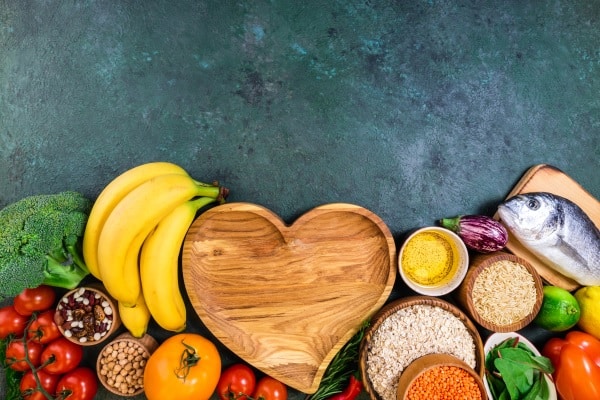
Switching to a heart-healthy diet is not about depriving yourself but about making smarter choices. Incorporating more fruits, vegetables, and whole grains can make a significant difference in your heart health. These foods are rich in essential nutrients and fiber, which can help regulate blood pressure and cholesterol levels. Replacing red meat with lean protein sources like fish and chicken can also contribute to a healthier heart.
It’s also crucial to stay hydrated, but choose your beverages wisely. Water is the best option, but herbal teas and limited amounts of natural fruit juices can also be part of a heart-healthy diet. Avoid sugary drinks and excessive amounts of caffeine. Remember, a balanced diet is key, and it’s always a good idea to consult with a healthcare provider for personalized advice.
Avoid These Foods And Drinks For A Healthier Heart!
In the quest for a healthier heart, knowledge is your most potent weapon. Understanding the impact of foods and drinks on heart health enables you to make informed choices. While it’s essential to be cautious of saturated fats, sugars, and excessive salt, it’s equally important to focus on what you should eat. Opt for a balanced diet rich in fruits, vegetables, and lean proteins. Your heart will thank you!