Dark Leafy Greens
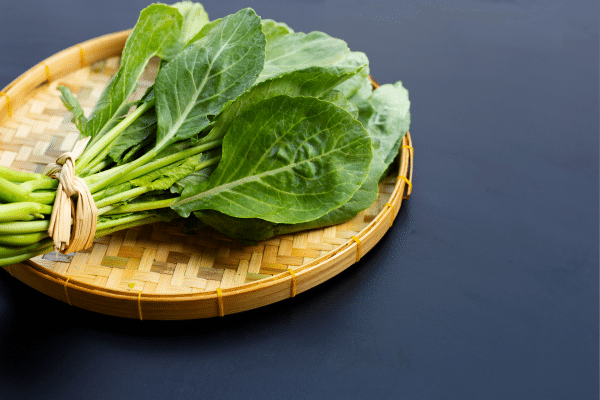
Known for their deep colors and nutrient density, dark leafy greens are a cornerstone for a heart-healthy diet. Spinach, kale, and Swiss chard, among others, are rich in lutein, a carotenoid that’s been linked to reduced levels of LDL cholesterol. By including a generous serving of these greens in the diet, individuals can support arterial health, reduce inflammation, and promote overall cardiovascular wellness.
Incorporating dark leafy greens into meals is as easy as adding a handful of spinach to smoothies, creating vibrant salads with mixed greens, or sautéing kale as a hearty side dish. The versatility and flavor of these vegetables, coupled with their abundant nutritional benefits, make them an excellent option for those looking to naturally manage and lower their cholesterol levels while enjoying a diverse and flavorful diet.
Beans And Legumes
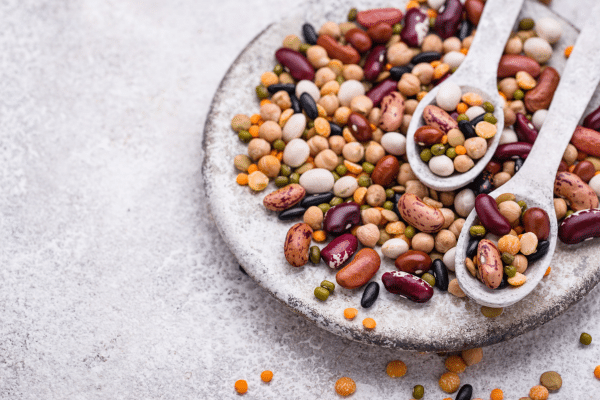
Beans and legumes are staples in many diets around the world, celebrated for their high fiber content and array of health benefits. One such benefit is their ability to lower LDL cholesterol levels. The soluble fiber in beans and legumes binds to cholesterol and prevents it from being absorbed into the bloodstream. This natural mechanism supports the maintenance of balanced cholesterol levels, contributing to heart health and reduced risk of cardiovascular disease.
There is a wide variety of beans and legumes, including lentils, chickpeas, black beans, and kidney beans, each offering a unique flavor and nutritional profile. They can be integrated into soups, stews, salads, or even served as standalone dishes. With their low glycemic index, beans and legumes also aid in blood sugar control, offering additional health benefits beyond cholesterol management, making them a valuable component of a balanced, heart-healthy diet.
Garlic
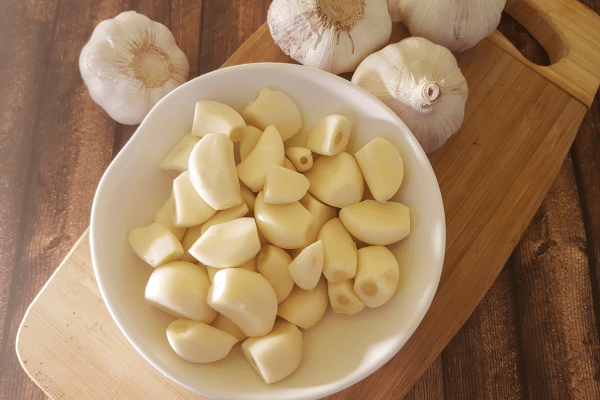
Garlic, a popular ingredient in various cuisines, is not only a flavor enhancer but also a potent health ally. Rich in a compound called allicin, garlic has been shown to have significant cholesterol-lowering properties. Consuming garlic regularly can lead to a reduction in LDL cholesterol levels, promoting a healthier cardiovascular system. Additionally, garlic offers anti-inflammatory and antioxidant benefits, further supporting heart health.
Incorporating garlic into one’s diet can be done with ease. It can be added fresh or as a powder to a multitude of dishes, imparting a robust flavor and aroma. Beyond its taste-enhancing properties, including garlic in daily meals can contribute to improved heart health, reduced cholesterol levels, and enhanced overall well-being, given its array of medicinal properties.
Nuts
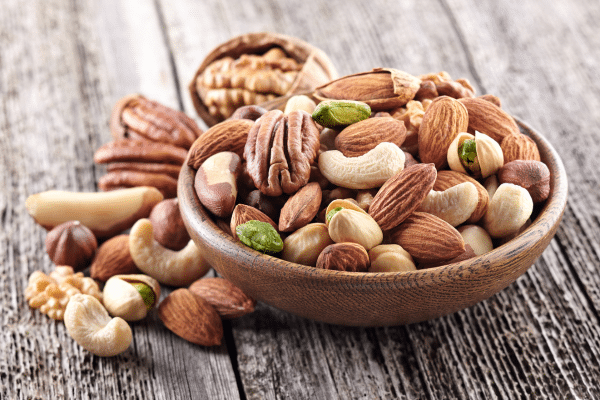
Nuts are another nutrient-dense food option known to benefit heart health significantly. Almonds, walnuts, and other varieties are packed with monounsaturated and polyunsaturated fats, which are instrumental in lowering LDL cholesterol. In addition to these healthy fats, nuts are a source of essential nutrients, including protein, fiber, and various vitamins and minerals that contribute to overall health and vitality.
Incorporating a moderate amount of nuts into the daily diet can be straightforward. They make for a convenient snack, can be sprinkled over salads, or blended into smoothies to enrich flavor and nutritional content. It’s crucial, however, to be mindful of portion sizes, as nuts are calorie-dense. Balancing their intake with a variety of other healthful foods ensures a well-rounded and nutritious diet that supports optimal heart health.
The Bottom Line
A myriad of natural foods can contribute to lowering cholesterol levels and promoting overall heart health. Avocados, oats, berries, nuts, dark leafy greens, beans, legumes, and garlic each offer unique nutritional benefits that work in concert to reduce LDL cholesterol and enhance cardiovascular wellness. By integrating these foods into a balanced diet and maintaining a lifestyle that includes regular physical activity, individuals can effectively manage cholesterol levels. This approach not only supports heart health but also contributes to enhanced overall well-being, offering a holistic solution to the challenges posed by elevated cholesterol.