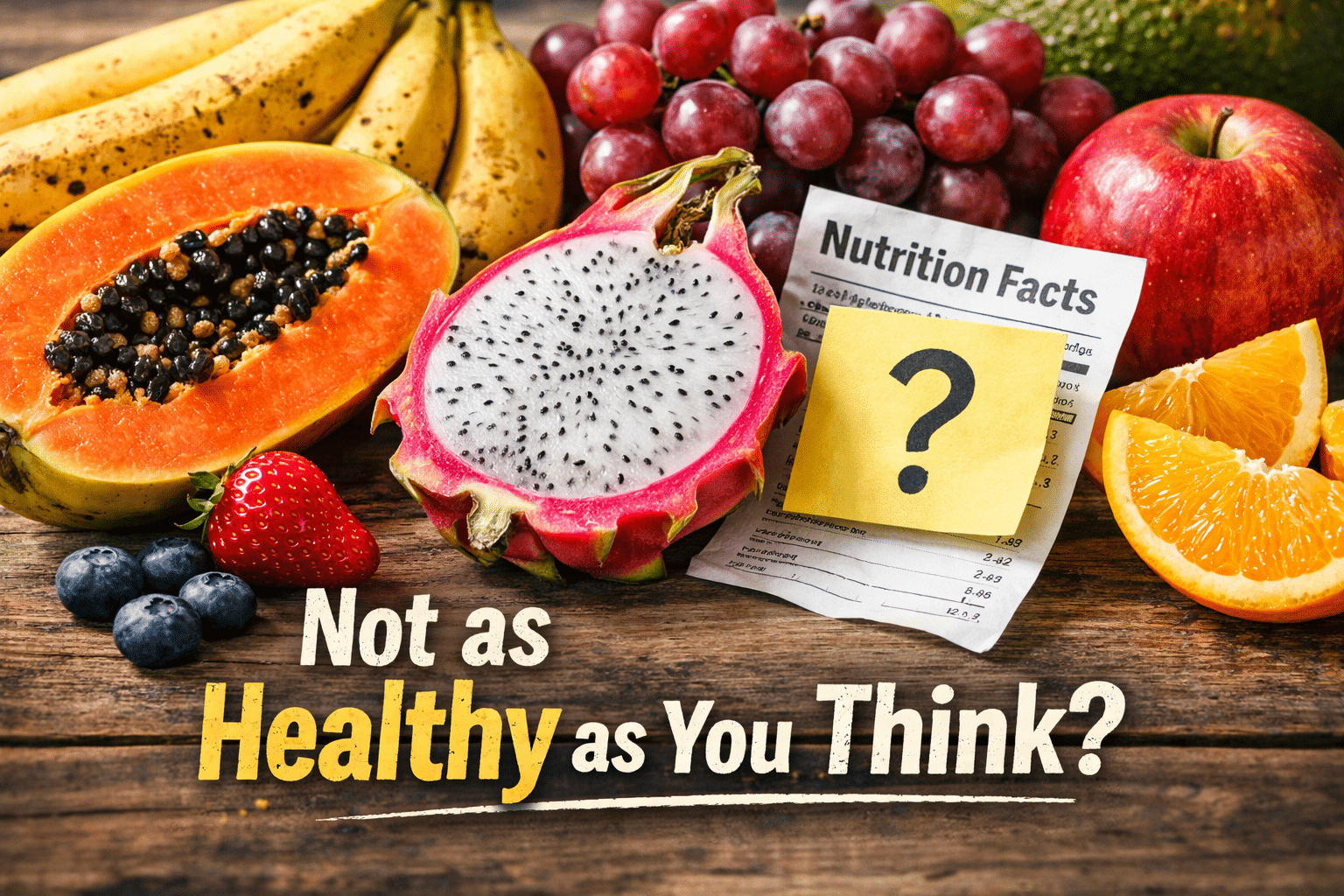
In today’s health-conscious world, managing cholesterol levels is a primary focus for many individuals aiming to enhance their overall wellness. A balanced diet plays a pivotal role in this endeavor. Incorporating specific foods into daily eating habits can contribute significantly to reducing bad cholesterol and promoting heart health. For those seeking natural, effective ways to lower cholesterol levels, the good news is that several food options are not only tasty but also particularly beneficial in achieving this health goal. Each food item explored in this post contains vital nutrients that have been scientifically proven to have a positive impact on cholesterol levels.
Avocados
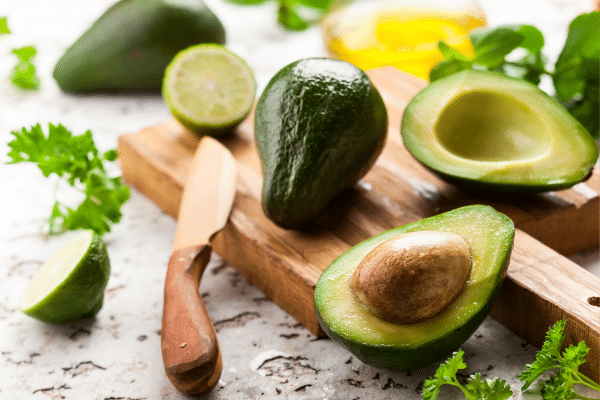
Avocados are not just a delicious treat but also a powerhouse of monounsaturated fats. These fats have proven effective in reducing low-density lipoprotein (LDL), often referred to as “bad cholesterol,” and boosting high-density lipoprotein (HDL) or “good cholesterol.” This creamy fruit is also abundant in beta-sitosterol, a plant-based fat that significantly reduces the amount of cholesterol absorbed from food, making avocados an excellent choice for heart health.
The versatility of avocados is another aspect that makes them a favorite among health enthusiasts. They can be easily integrated into various dishes, from salads and sandwiches to smoothies and desserts. Consuming avocados regularly, while maintaining a balanced diet, can lead to noticeable improvements in overall cholesterol levels and contribute to a healthier cardiovascular system.
Oats
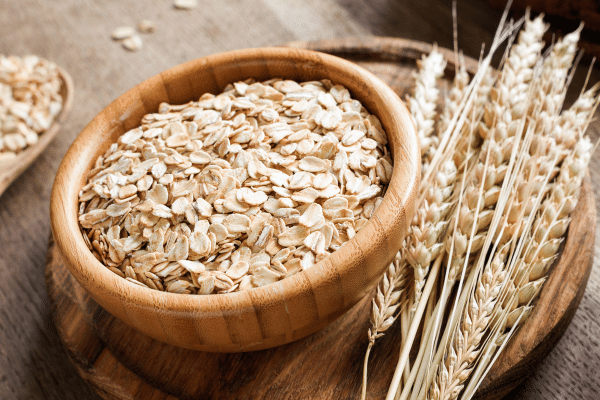
Oats have long been celebrated for their hearty texture and numerous health benefits, chief among them being their ability to lower cholesterol. Rich in a type of soluble fiber known as beta-glucans, oats effectively reduce the levels of LDL cholesterol in the body. When consumed, this fiber forms a gel-like substance that binds to cholesterol, preventing its absorption and facilitating its elimination from the body. This process aids in maintaining balanced cholesterol levels, promoting a healthier heart.
Incorporating oats into one’s daily diet can be both simple and delightful. A warm bowl of oatmeal for breakfast, oat-based granola bars as snacks, or even oats included in smoothies and baked goods can make a significant impact on cholesterol levels. The fiber content not only aids in cholesterol management but also supports digestive health, adding another layer of benefit for those including more oats in their meals.
Berries

Berries are renowned for their rich antioxidant content, offering a delectable way to improve health and lower cholesterol levels. Flavonoids, a type of antioxidant prevalent in these fruits, particularly in blueberries, strawberries, and blackberries, have been associated with a reduction in LDL cholesterol. These antioxidants combat oxidative stress and inflammation in the body, promoting cardiovascular health. The vibrant, juicy fruits also provide essential vitamins and minerals that play a vital role in overall wellness.
Including berries in the diet is both effortless and enjoyable. They can be eaten fresh, added to yogurt or oatmeal, or used in a variety of recipes from salads to desserts. Regular consumption of these flavorful fruits can lead to improvements in cholesterol levels and a boost in heart health. Beyond their cholesterol-lowering properties, berries are low in calories and high in fiber, making them a smart choice for those looking to manage their weight while enhancing their health.
Salmon
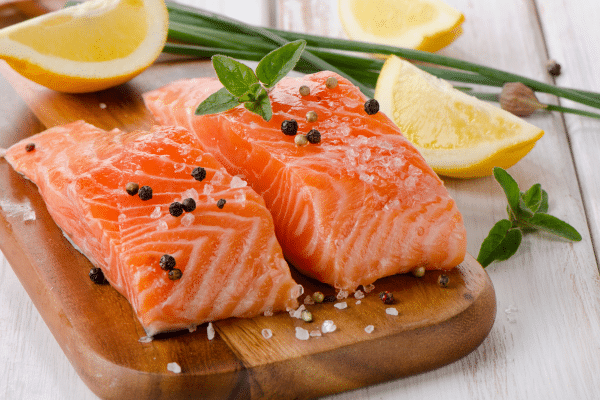
Salmon is highly regarded for its wealth of omega-3 fatty acids, essential nutrients that play a pivotal role in maintaining a healthy heart. These fatty acids contribute significantly to reducing levels of LDL cholesterol while increasing HDL, the “good” cholesterol. Moreover, the anti-inflammatory properties of omega-3s offer additional cardiovascular benefits, including reduced blood pressure and decreased risk of heart disease.
The incorporation of salmon into the diet can be both delightful and versatile. This flavorful fish can be grilled, baked, or even enjoyed raw in dishes like sushi. Its rich, succulent taste makes it a favorite among seafood lovers, while its nutritional benefits render it a staple for those seeking to improve heart health and lower cholesterol levels. Combining taste and health, salmon stands as a testament to the possibility of a diet that is as delicious as it is nutritious.