Ice Cream

Ice cream is more than just a dessert; for many, it’s a comfort food, a treat that brings back fond memories, and a versatile dish in various flavors. Whether it’s a hot summer day or a moment of emotional eating, ice cream often seems like the perfect solution.
However, the creamy delight comes with its own set of health concerns. Ice cream is high in sugar and saturated fats, contributing to weight gain when consumed in large quantities. Additionally, frequent indulgence can lead to elevated blood sugar levels and an increased risk of developing heart-related issues. Moderate is key to enjoying ice cream as delicious as it may be.
Fried Foods

The allure of fried foods lies in their irresistible crunch and rich flavors. These foods are often the stars of fast-food menus and family gatherings, from fried chicken to French fries. The deep-fried goodness is hard to resist, making these items a popular choice for many.
Yet, the health implications of consuming fried foods regularly are serious. They are typically high in trans fats and calories, which can lead to obesity and elevated cholesterol levels. Over time, this can increase the risk of developing heart disease and other chronic conditions. Alternative cooking methods like baking or air frying can offer a healthier, satisfying crunch.
Alcohol

Alcohol is often associated with social gatherings, celebrations, and relaxation. From fine wines to craft beers and cocktails, the options are endless, making it easy to find a drink that suits one’s taste.
However, excessive alcohol consumption has various health risks, including liver disease, digestive issues, and increased risk of certain cancers. Additionally, alcoholic beverages are often high in calories and have little nutritional value. Moderation and mindful drinking are crucial for those who choose to consume alcohol.
Salt
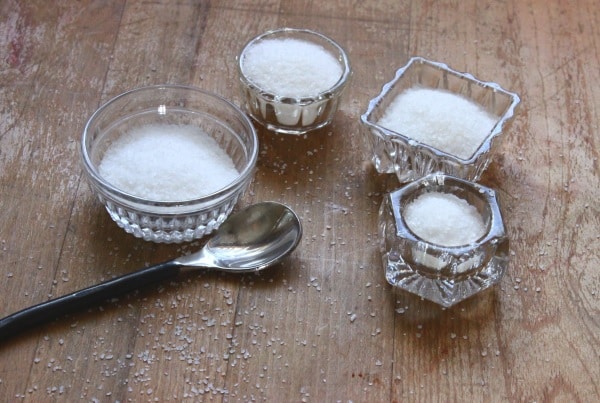
Salt is a fundamental ingredient in cooking to enhance flavors and preserve foods. It’s found in various dishes, from simple home-cooked meals to gourmet experiences. The right amount of salt can transform a dish, making it more enjoyable.
Yet, high salt intake is linked to various health issues, including high blood pressure and an increased risk of heart disease and stroke. The problem is exacerbated by many processed foods containing hidden salt, making it easy to exceed the recommended daily intake. Using herbs and spices as alternatives can help maintain flavor while reducing salt consumption.
The Bottom Line
The journey through these eight foods has explored the balance between pleasure and health. While each of these foods offers unique flavors and experiences, they also come with their health implications when consumed in excess. The key takeaway is the importance of moderation. Being mindful of portion sizes and frequency makes it possible to enjoy these foods without compromising health. After all, a balanced diet is not about deprivation but about making informed choices. So the next time the craving for a sugary soda or a salty snack strikes, remember that moderation is your best ally in the quest for a healthier, more balanced life.