Processed Foods
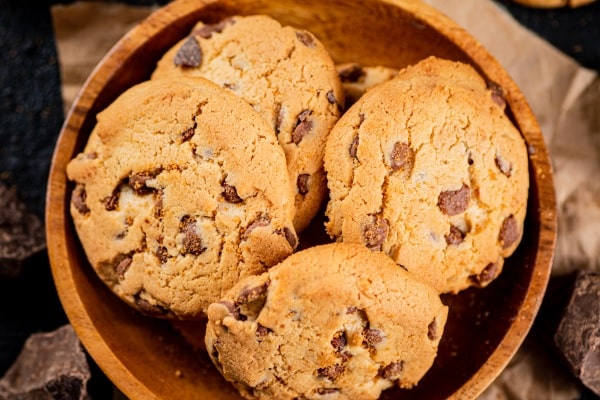
Processed foods, including chips, cookies, and ready-to-eat meals, are convenient but often loaded with salt and lacking fiber. The high salt content can lead to dehydration, a common cause of constipation. Additionally, these foods often contain preservatives and artificial ingredients that can disrupt the natural balance of gut bacteria, further slowing down digestion.
If you reach for processed foods regularly, it may be time to rethink your snack choices. Opt for whole, fiber-rich foods like fruits, vegetables, and whole grains. These alternatives promote better digestion and offer a range of other health benefits, including lower cholesterol and better blood sugar control.
Chocolate
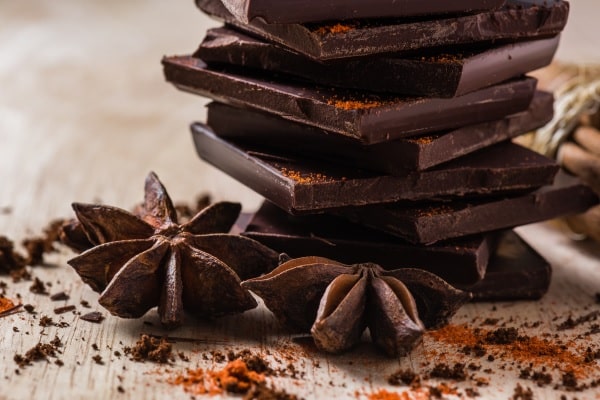
For many, chocolate is a go-to comfort food. However, it’s high in fat and sugar; some people find it can slow down their digestive system. The high sugar levels can lead to bacterial overgrowth in the gut, while the fat content can slow down the digestive process, both of which can result in constipation.
If you’re a chocolate lover concerned about digestion, consider switching to dark chocolate with a cocoa content of 70% or higher. Dark chocolate contains less sugar and fat and also offers antioxidants. However, moderation is key; even dark chocolate can contribute to digestive issues if consumed in large quantities.
Bread

White bread is another food that can back you up due to its low fiber content. Fiber helps to move food through the digestive system, and the refining process that white bread undergoes removes most of this essential nutrient. This can lead to slower digestion and, ultimately, constipation.
Whole-grain bread is a better option as it retains its natural fiber content. If you’re experiencing digestive issues, consider switching to whole-grain or sprouted bread. These options are better for digestion and offer additional nutrients like protein and essential fatty acids.
Caffeinated Beverages

Caffeinated beverages like coffee and energy drinks can have a dehydrating effect, which can lead to constipation. Caffeine is a diuretic, meaning it causes increased urine production, leading to dehydration if not balanced with adequate water intake. Dehydration is a common cause of constipation, making the stool hard and difficult to pass.
If you’re a regular consumer of caffeinated beverages and experiencing digestive issues, consider cutting back or switching to non-caffeinated options. Herbal teas and water are excellent alternatives that can help keep you hydrated and promote better digestive health.
The Bottom Line
Digestive health is an integral part of overall well-being, and the foods you consume significantly affect how your digestive system functions. From low-fiber options like white rice and bread to high-fat foods like red meat and chocolate, being mindful of your food choices can make a difference. While it’s okay to indulge occasionally, making a habit of consuming fiber-rich, hydrating, and nutrient-dense foods can help keep your digestive system running smoothly. After all, a healthy gut is the foundation of a healthy body, so make choices that support it.