Contents
Mental Health Benefits

When it comes to mental health, sonic therapy can be a game-changer. Frequencies in the alpha range (8-14 Hz) have been found to reduce stress and anxiety levels. These frequencies encourage the brain to produce alpha waves, which are associated with relaxation and a decrease in the production of the stress hormone cortisol.
Beyond stress and anxiety, sonic therapy also shows promise in treating more severe mental health conditions like depression. While it should not replace conventional treatments, it can serve as a complementary therapy. Specific frequencies can stimulate the release of serotonin and dopamine, neurotransmitters that play a crucial role in mood regulation and the alleviation of depressive symptoms.
How to Get Started with Sonic Therapy

If you’re interested in exploring the benefits of sonic therapy, there are several ways to get started. For those who prefer a DIY approach, there are numerous apps and YouTube channels dedicated to various forms of sonic therapy. These platforms offer a range of frequencies targeting different health issues, allowing you to experiment and find what works best for you.
For a more structured experience, consider booking a session with a certified sonic therapist. In a professional setting, you’ll typically undergo an initial assessment to determine your specific needs, followed by a customized therapy session using specialized equipment. This offers a more targeted approach and allows you to benefit from the expertise of a trained professional.
Precautions and Side Effects

While sonic therapy offers a range of benefits, it’s essential to approach it with caution, especially if you have certain medical conditions. For instance, those with sound-related PTSD or certain types of auditory conditions may find sonic therapy more distressing than healing. It’s always advisable to consult with a healthcare provider before starting any form of alternative therapy.
Additionally, some people may experience side effects like dizziness or nausea during or after a sonic therapy session. These effects are generally mild and temporary but should be taken seriously. If you experience any adverse reactions, it’s crucial to stop the session and consult a healthcare professional for guidance.
Case Studies and Testimonials
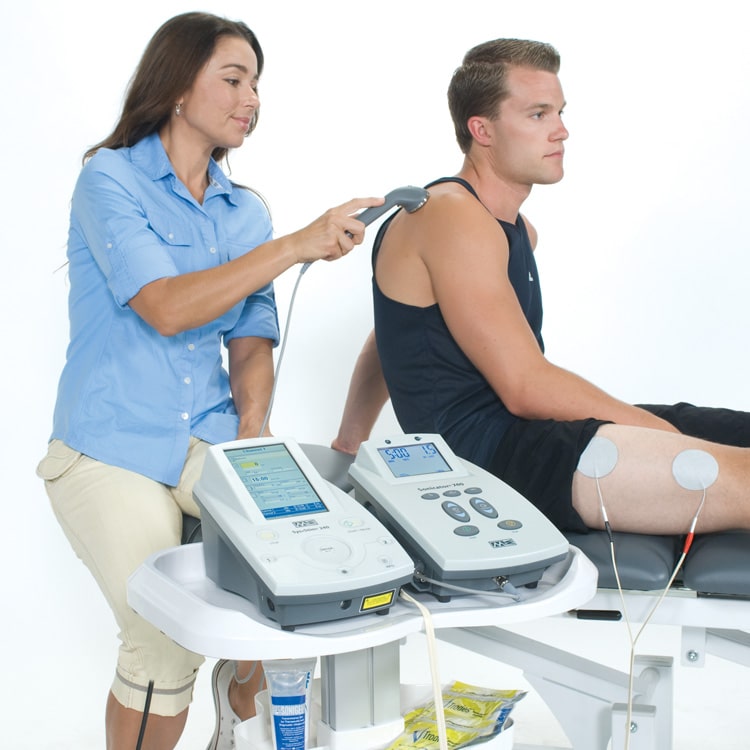
Real-life examples can offer valuable insights into the effectiveness of sonic therapy. Numerous case studies have documented the positive outcomes of using specific frequencies for conditions ranging from chronic pain to anxiety disorders. These studies provide not just anecdotal evidence but also scientific data that supports the therapeutic claims of sonic therapy.
Expert opinions also add credibility to the practice. Many healthcare professionals, including psychologists and physical therapists, have endorsed sonic therapy as a complementary treatment. Their testimonials often highlight the versatility of sonic therapy, emphasizing its role in both physical and mental health treatment plans.
The Harmonic Potential of Sonic Therapy
Sonic therapy offers a unique blend of science and holistic wellness, impacting both physical and mental health. From its historical roots to its modern applications, this form of alternative therapy has shown promise in treating a variety of conditions, including chronic pain, sleep disorders, and mental health issues. While it’s essential to approach sonic therapy with caution and consult healthcare providers, the potential benefits are too significant to ignore. Whether you’re looking to enhance your mindfulness practice or seeking relief from physical ailments, sonic therapy could be a harmonious addition to your healthcare regimen.