

Eating healthy can often take a back seat in today’s fast-paced world. Fruits and vegetables are pivotal in any balanced diet, offering an array of nutrients and health benefits. But let’s face it: when hunger pangs hit, we often reach for snacks that are far from nutritious. The good news is that specific fruits and vegetables can keep you full longer, ensuring you avoid unhealthy food choices between meals. This article aims to delve into the list of such fruits and veggies, the science behind why they keep you satiated, and how to incorporate them into your daily meals. So, what makes certain fruits and veggies more filling than others? Let’s find out.
The Science Behind Satiety
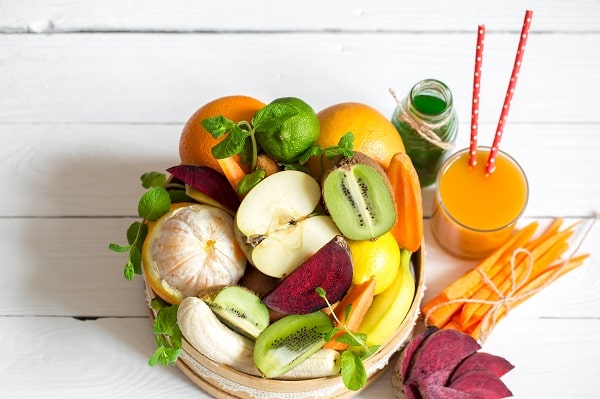
To fully comprehend the role of fruits and vegetables in keeping us full, understanding the concept of “satiety.” Satiety refers to the feeling of fullness and the suppression of hunger following a meal. Factors like fiber, protein, and water content significantly contribute to the satiety index of foods. Fruits and vegetables that score high in these factors naturally make you feel full and satiated for an extended period.
Often, foods that offer a sense of fullness have a lower energy density, meaning they provide fewer calories per gram. This makes them ideal for weight management, as they allow you to eat a larger volume without consuming too many calories. The importance of fiber, in particular, cannot be overstated. Soluble fibers form a gel-like substance in the digestive system, slowing digestion and prolonging the feeling of fullness.
Fruits That Keep You Full
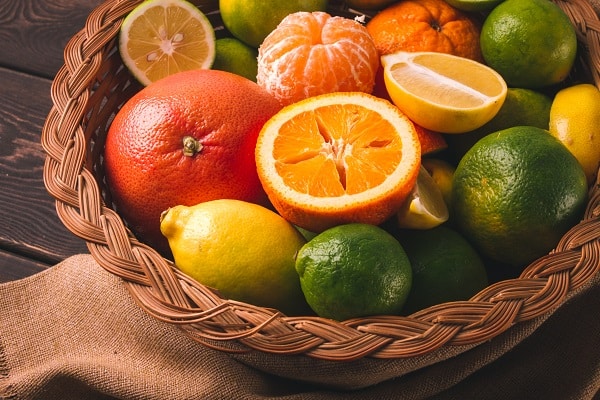
Fruits are often celebrated for their sweet flavors and vibrant colors, but their ability to keep you full is an overlooked advantage. The usual suspects here are apples, berries, and grapefruits. Apples are a high-fiber fruit that delays digestion and gives a prolonged feeling of fullness. The pectin fiber in apples also helps to regulate blood sugar levels, preventing sudden spikes and crashes that can lead to hunger and overeating.
Another excellent option is berries, including strawberries, blueberries, and raspberries. These fruits are loaded with antioxidants and fiber, a winning combination that boosts your health and keeps you satiated. Grapefruit is another contender; it is high in water content and low in calories, making it an ideal choice for those looking to manage their weight. Studies suggest that consuming half a grapefruit before a meal can lead to consuming fewer calories during the meal itself.
Veggies That Keep You Full
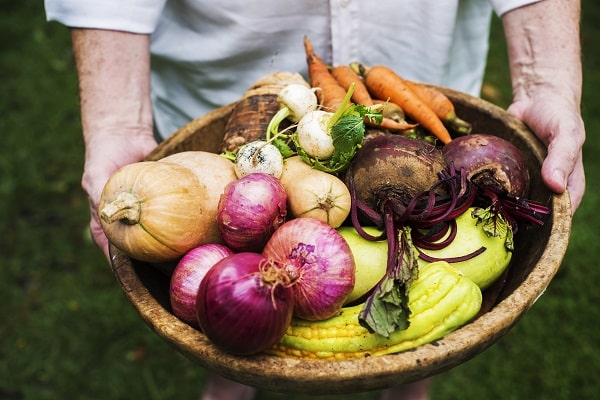
Vegetables offer different satisfaction, often bringing crunchiness and a savory flavor profile into the mix. The standout vegetables in this category are broccoli, carrots, and leafy greens. Broccoli is a fiber-rich vegetable that also packs protein, a rare combination in the vegetable world. Its bulk helps to fill the stomach, triggering receptors in the gut that signal the brain that you’re full.
Carrots and leafy greens like spinach, kale, and lettuce are also excellent options for feeling full. Carrots are low in calories but high in fiber, making them a perfect snack to stave off hunger. Leafy greens contain a lot of water and fiber, contributing to a feeling of fullness. They also provide essential nutrients like iron, calcium, and folate, making them an excellent choice for a healthy diet.