Contents
Meditate

Meditation is more than just a relaxation tool; it’s a potent enhancer of brain health. Diving into a state of mindfulness and stillness positively impacts the brain by increasing gray matter volume, refining focus, and alleviating stress. Meditation trains the mind to be present, diverting it from past regrets and future anxieties, anchoring it to the current moment. This continuous act of mindfulness reinforces neural connections and promotes mental fortitude.
Research on meditation paints an encouraging picture. Regular practitioners often exhibit lower levels of cortisol, the stress hormone, leading to a more balanced emotional state. This balance not only boosts overall well-being but also contributes to a more resilient and adaptive brain. Embracing meditation, whether for a few minutes or extended periods, stands as a testament to its transformative power on brain health.
Avoid Tobacco And Alcohol

Tobacco and excessive alcohol consumption have been extensively researched, and the consensus is evident: both substances have a detrimental impact on brain health. Tobacco, in particular, poses a threat by increasing the risk of stroke and reducing blood flow to the brain. This reduced blood flow deprives the brain of essential nutrients and oxygen, subsequently impairing cognitive functions and memory.
On the other hand, while moderate alcohol consumption, especially of wines, might have certain cardiovascular benefits, overindulgence spells trouble for the brain. Excessive alcohol can disrupt neurotransmitters, chemicals vital for brain communication. It also poses a risk of developing alcohol-related brain damage, which can lead to memory lapses, poor decision-making, and even permanent cognitive impairment. For those seeking optimal brain health, moderation or abstention from these substances is advisable.
Have Fun With A Jigsaw Puzzle
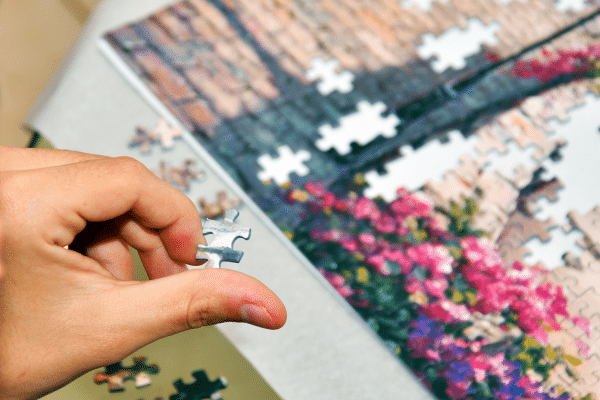
Engaging in puzzles, especially jigsaw puzzles, can be likened to a mental gym session for the brain. The task of fitting disparate pieces together demands concentration, spatial reasoning, and problem-solving skills. As each piece finds its rightful place, not only does the picture become clearer, but the brain also strengthens its neural connections, enhancing its processing speed and analytical abilities.
The beauty of jigsaw puzzles lies in their progressive nature. As individuals graduate from simpler puzzles to more complex ones, the brain is consistently challenged, ensuring it doesn’t fall into a complacency trap. Beyond jigsaws, other puzzles, such as crosswords or Sudoku, stimulate language, numerical, and logical faculties, making puzzle-solving a comprehensive brain workout.
Get Plenty Of Sleep

Sleep, often underrated, plays a pivotal role in cognitive well-being. During the deep stages of sleep, the brain undergoes a self-cleaning process, removing toxins and waste products. This process is vital to prevent the build-up of harmful substances which can impair cognitive functions and heighten the risk of neurodegenerative diseases. Additionally, sleep consolidates memories, moving them from short-term storage to long-term, ensuring recall and understanding.
Yet, in the hustle of modern life, sleep often takes a backseat. The ramifications of chronic sleep deprivation stretch beyond mere fatigue; it can lead to foggy thinking, reduced attention span, and mood imbalances. Achieving 7-9 hours of quality sleep is paramount. Setting a consistent sleep schedule, ensuring a calm bedroom environment, and avoiding screen time before bed can guide one towards a restful night and a rejuvenated brain.
The Bottom Line
Prioritizing brain health yields dividends in improved cognitive abilities, emotional balance, and overall life quality. The amalgamation of daily habits like listening to music, indulging in puzzles, regular exercise, meditation, and more can dramatically enhance mental faculties. However, brain health is not just about adopting positive habits but also about consciously avoiding detrimental ones, such as tobacco or excessive alcohol. By embracing a balanced approach and cherishing the brain’s intricate marvels, one can pave the way for a life marked by clarity, creativity, and cognitive vigor.