Herbal Rinses

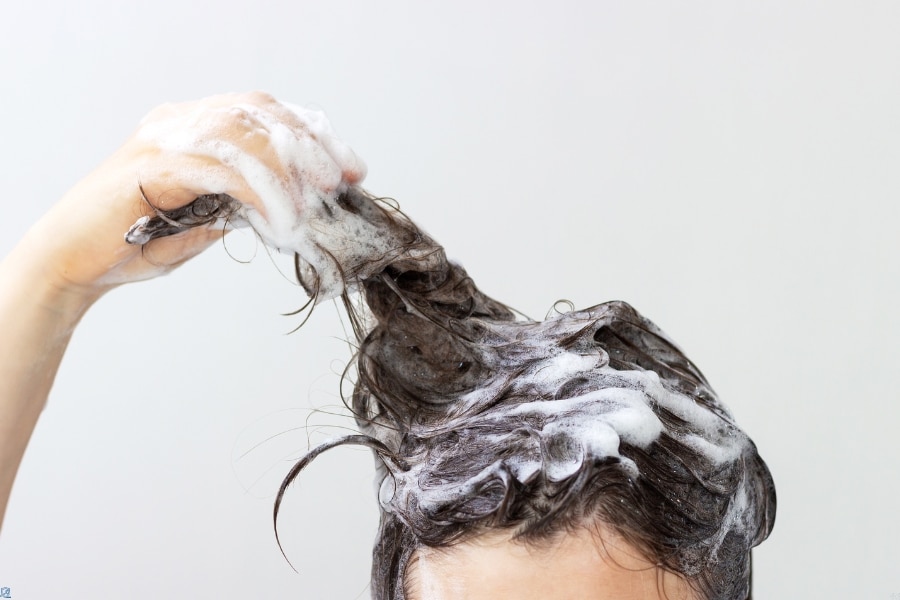
Herbal rinses offer a gentle and aromatic way to cleanse your hair. Ingredients like chamomile, lavender, and rosemary not only smell divine but also have properties that can benefit your scalp and hair. For instance, chamomile is known for its calming effects, while rosemary can stimulate hair growth. To prepare an herbal rinse, steep your chosen herbs in hot water, strain the liquid, and use it as a final rinse after washing your hair.
The beauty of herbal rinses lies in their versatility and the ability to customize them according to your needs. However, they do require a bit more preparation time compared to other methods. Additionally, the effects may be subtle and take time to become noticeable. But if you’re someone who enjoys natural remedies and doesn’t mind a little extra effort, herbal rinses could be a delightful addition to your hair care routine.
DIY Hair Cleanser Recipes

For those who love to experiment, creating a DIY hair cleanser can be both fun and rewarding. Popular recipes often include ingredients like aloe vera, honey, coconut milk, and lemon. For example, a mixture of aloe vera and honey can act as a moisturizing cleanser, while a blend of coconut milk and lemon can help remove excess oils.
While DIY cleansers allow you to control what goes into your hair care products, they also come with a few caveats. First, homemade products lack preservatives, meaning they have a shorter shelf life. Second, it may take some trial and error to find the right recipe for your hair type. But if you’re up for a little experimentation, DIY cleansers offer a personalized approach to hair care.
Commercial Alternatives

If DIY isn’t your style, there are ready-made alternatives that can still keep you away from traditional shampoos. Sulfate-free shampoos and cleansing conditioners are increasingly popular options. These products aim to clean your hair without stripping it of its natural oils, making them a gentler alternative to regular shampoos.
However, it’s essential to read the ingredient list carefully, as not all sulfate-free shampoos are created equal. Some may still contain other harsh chemicals or synthetic fragrances that could irritate your scalp. Also, these products can be more expensive than traditional shampoos. But if convenience is a priority, commercial alternatives offer a middle ground between traditional and alternative hair-washing methods.
How To Choose The Right Method

Choosing the right alternative hair-washing method involves considering various factors such as your hair type, lifestyle, and environmental impact. For example, if you have oily hair, a baking soda and apple cider vinegar routine might work well for you. On the other hand, if you have a busy lifestyle and prefer ready-made solutions, sulfate-free shampoos could be the best fit.
Transitioning to a new hair-washing method can be challenging, especially during the initial stages. Your hair may go through a “detox” period where it feels different or even greasier than usual. It’s crucial to be patient and give your hair time to adjust. Remember, the goal is to find a method that suits you in the long run, not just a quick fix.
Find The Perfect Path To A Shampoo-Free Lifestyle!
Navigating through the myriad of options for alternative hair washing can be both exciting and overwhelming. The journey to finding the perfect method tailored to your needs is one worth embarking upon. Whether you’re drawn to the simplicity of the “No-Poo” method, the natural allure of herbal rinses, or the convenience of commercial alternatives, the choice is yours to make. Take the first step, experiment, and discover a hair care routine that not only cleanses but also nourishes. Your hair and the environment will be better for it!