Hair thinning in men, though widespread, can be a source of anxiety and reduced self-confidence. With numerous underlying causes, from genetics to lifestyle factors, the journey to understanding and addressing this condition is multifaceted. Fortunately, the world of hair care has progressed considerably, offering a plethora of solutions that cater to individual needs. This guide aims to shed light on the causes of hair thinning in men and provide actionable solutions to regain that lush mane.
Understanding Hair Thinning: Causes and Symptoms
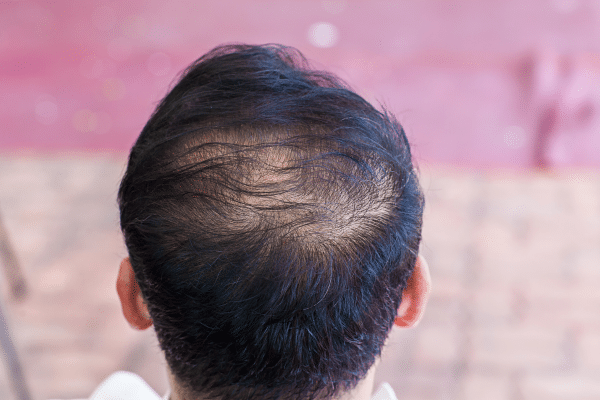
Hair thinning, while often linked to hereditary factors, can also be influenced by a range of external and internal triggers. Hormonal imbalances, particularly the hormone dihydrotestosterone (DHT), play a significant role in male pattern baldness. Other factors, such as poor diet, chronic stress, certain medications, and illnesses, can further exacerbate the thinning process. It’s crucial to understand these causes to find an effective solution tailored to one’s unique situation.
Noticing the early signs of hair thinning can pave the way for timely interventions. Common symptoms include a receding hairline, significant hair loss after combing or showering, and thinning primarily at the crown of the head. Moreover, the appearance of more scalp than hair in certain areas and a change in hair texture can also be indicative. Recognizing these symptoms early on can be instrumental in preventing further hair loss and initiating effective treatments.
Dietary Habits and Hair Health

The adage “you are what you eat” rings especially true when considering hair health. A diet lacking in essential nutrients can stunt hair growth and amplify hair loss. For instance, proteins are the building blocks of hair, and a deficiency can result in weak, brittle strands. Similarly, minerals like iron play pivotal roles in the hair growth cycle, and their inadequacy can lead to increased hair fall.
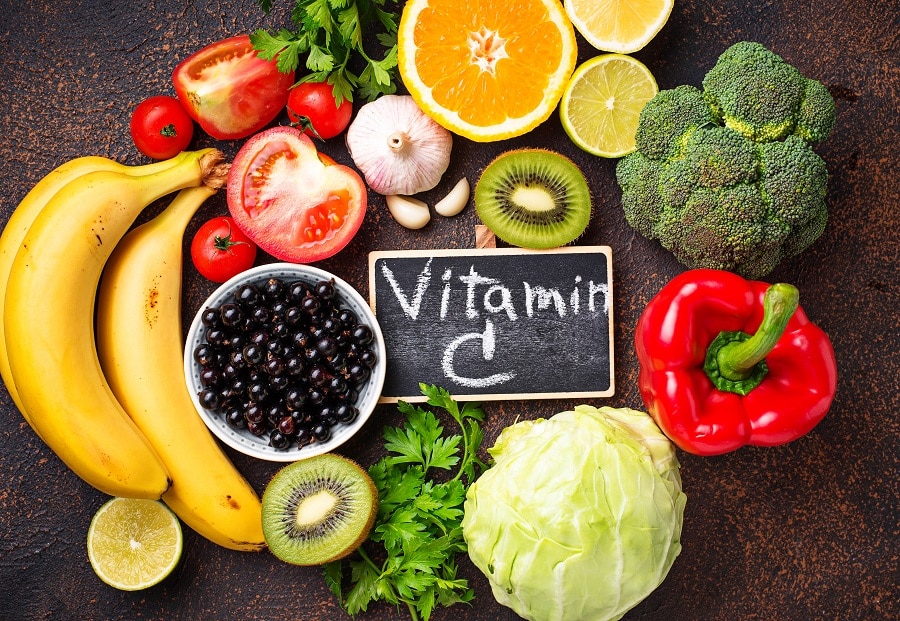
Incorporating hair-boosting nutrients into one’s diet can be transformative. Vitamins like biotin, niacin, and Vitamin E enhance hair texture and promote growth. Omega-3 fatty acids, present in fish and walnuts, nourish the hair, giving it a healthy shine. Zinc, selenium, and antioxidants from fruits and vegetables also contribute to a healthy scalp and vibrant hair. Thus, by adopting a balanced diet, one can create a strong foundation for lustrous and robust hair.
Topical Treatments and Their Efficacy
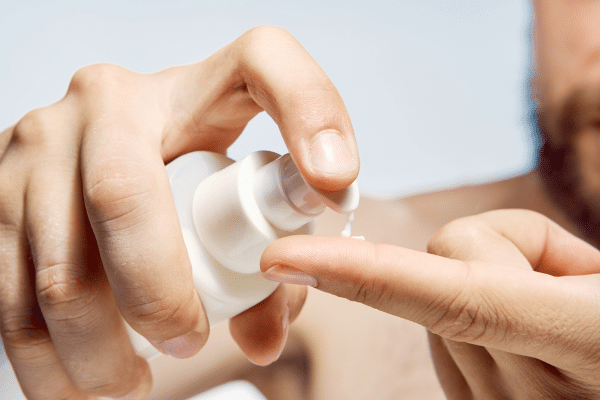
Among the myriad of treatments available for hair thinning in men, topical solutions have garnered significant attention. Minoxidil, a renowned over-the-counter topical treatment, works by prolonging the growth phase of hair. When applied consistently to the scalp, many users have reported visible improvement in hair density and reduced hair loss. However, it’s essential to note that discontinuation of the treatment can lead to reverting back to the original hair thinning state.
Another topical treatment option is finasteride, which comes in the form of a pill but works on the principle of DHT inhibition. DHT is a major culprit behind male pattern baldness, and by inhibiting its action, finasteride helps in maintaining existing hair and possibly regrowing lost hair. Though effective, like all treatments, it’s essential to be informed of potential side effects and discuss with a dermatologist to ensure it’s a suitable choice.