
Histamine Intolerance

Histamine intolerance is a relatively misunderstood condition that occurs when there’s an imbalance between the buildup of histamine and the body’s ability to break it down. Common symptoms include headaches, hives, and gastrointestinal issues. Foods like aged cheeses, fermented foods, and certain fish are high in histamines and can trigger symptoms.
Living with histamine intolerance involves avoiding high-histamine foods and possibly taking antihistamine medications. It’s also beneficial to keep a food diary to track what triggers your symptoms. This can be a valuable tool in identifying which foods to avoid and finding suitable alternatives. Histamine intolerance is often misunderstood, but it’s not the only one.
FODMAP Intolerance

FODMAPs, or Fermentable Oligo-, Di-, Mono-saccharides, And Polyols, are a group of carbohydrates that are poorly absorbed in the small intestine. Common symptoms include abdominal pain, bloating, and altered bowel habits. Foods high in FODMAPs include certain fruits like apples and pears, vegetables like onions and garlic, and wheat products.
Managing FODMAP intolerance often involves following a low-FODMAP diet, usually under the guidance of a healthcare provider. This diet eliminates high-FODMAP foods for a period, followed by a reintroduction phase to identify triggers. It’s a complex intolerance to understand, but with careful planning and guidance, symptoms can be effectively managed.
Salicylate Sensitivity
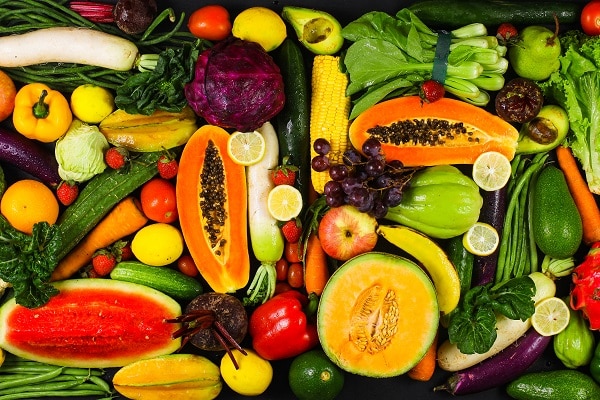
Salicylate sensitivity is a reaction to salicylic acid, a naturally occurring chemical found in a wide range of foods, including fruits, vegetables, and spices. Symptoms can vary widely but often include gastrointestinal issues, skin rashes, and respiratory problems. Foods high in salicylates include tomatoes, berries, and certain spices like curry and paprika.
Controlling salicylate sensitivity involves identifying and avoiding foods high in salicylates. This can be a challenging task, given the wide range of foods that contain them. However, with careful observation and possibly the help of a healthcare provider, a low-salicylate diet can be implemented. Salicylate sensitivity is often overlooked, but it’s crucial to be aware of it for a holistic approach to managing food intolerances.
Nightshade Sensitivity
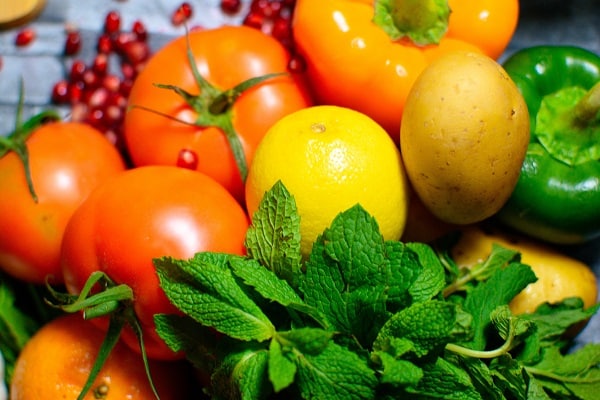
Nightshade sensitivity is a reaction to a family of plants, including tomatoes, potatoes, eggplants, and peppers. Symptoms can range from gastrointestinal issues to joint pain and skin rashes. The challenge with nightshade sensitivity is that these foods are staples in many diets, making avoidance a complex task that requires careful planning and awareness.
Managing nightshade sensitivity involves identifying these foods in your diet and finding suitable alternatives. For example, sweet potatoes can replace white potatoes, and zucchini can be used in place of eggplant in certain recipes. The key to managing this sensitivity is awareness and thoughtful substitution, which can make a significant difference in symptom management. Nightshades are in many diets, but awareness is the first step toward effective management, just like with any other food intolerance.
Be Mindful Of These Lesser-Known Food Intolerances
Understanding the various types of food intolerances beyond gluten is crucial for overall well-being. From lactose and fructose to the more obscure salicylate and nightshade sensitivities, each comes with its own set of challenges and management strategies. The journey to better health begins with awareness and proactive management. So, why wait? Start your journey today by getting tested for food intolerances and adjusting your diet accordingly. Knowledge is power, and in this case, it’s the power to live a healthier, more comfortable life!