The first things that probably come to mind regarding muscle growth are protein shakes, barbell lifts, and maybe even steroid injections. While these are the go-to strategies for many, a vital component often gets overshadowed: eating greens. This post explores the unrecognized role of greens like spinach, kale, and broccoli in building muscle mass. Contrary to popular belief, greens offer more than just vitamins and fiber; they can be pivotal in your muscle-building journey. This article will break down the science of how greens contribute to muscle growth, dispel myths surrounding proteins, and offer practical advice for incorporating greens into your diet.
The Importance of Muscle Growth

Muscle growth serves various purposes, transcending beyond the simplistic notion of bulking up for aesthetic reasons. Muscle tissues actively contribute to overall metabolic rates, meaning the more muscle mass one has, the higher the calorie-burning potential. Muscle strength is crucial for functional living, from lifting grocery bags to maintaining posture. These multifaceted benefits make muscle growth an essential aspect of holistic health.
Understanding the role of diet in muscle growth is pivotal. While exercise regimes, supplements, and lifestyle choices play vital roles, the foods consumed act as the building blocks for muscle tissue. The right nutrients facilitate quicker muscle recovery and promote efficient growth. This brings us to an important question: Is protein the only macronutrient essential for muscle development?
The Misconception of Proteins

Protein has long been championed as the Holy Grail of muscle building, which has led to an industry rife with protein supplements and high-protein diets. However, focusing solely on protein can be a myopic approach. While proteins contribute to muscle repair and growth, they aren’t the only nutrient responsible for such benefits. Exploring other nutrients and their potential contributions to muscle development is crucial to get a well-rounded picture.
The overemphasis on protein also encourages consumption from various sources, including meat, that might be high in unhealthy fats and cholesterol. This narrow focus can deprive one’s diet of other essential nutrients instrumental to muscle growth. As a result, it is critical to move beyond the protein-centric view and investigate other food groups that can offer a balanced nutritional profile. This sets the stage for introducing the unexpected hero in muscle growth: greens.
Nutritional Components of Greens
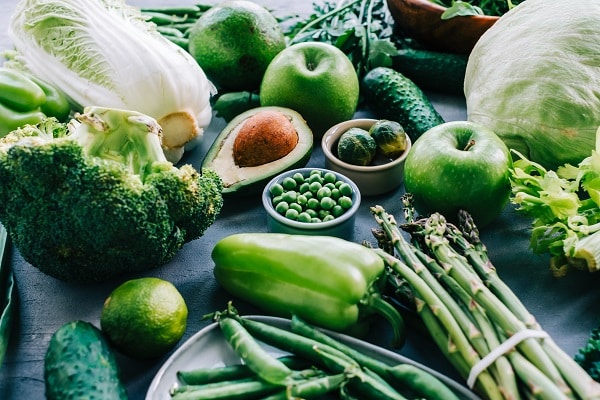
Images of bland salads or detox smoothies might flood the mind when one thinks of greens. However, greens such as spinach, kale, and collard greens are nutritional powerhouses offering many benefits. One of the critical components found in greens is iron, essential for transporting oxygen in the blood. The more efficiently oxygen is transported to muscle tissues, the better they can perform and grow.
Apart from iron, greens are also rich in calcium and magnesium. While calcium plays a role in muscle contraction, magnesium is essential for muscle relaxation. This contraction-relaxation cycle is fundamental for effective workouts, subsequently aiding muscle growth. The presence of these minerals makes greens not only a nutritious choice but a strategic one for anyone serious about muscle development.