Contents
Home Remedies for Quick Relief

When back pain strikes, immediate relief is often the primary concern. Simple home remedies can be surprisingly effective in providing quick relief for minor to moderate back pain. Ice therapy can help reduce inflammation, especially within the first 48 hours of onset. Heat therapy can help to relax muscles and improve blood flow to the affected area. Over-the-counter pain relievers such as ibuprofen can also help manage acute pain symptoms.
While these home remedies can provide short-term relief, they should not be seen as a permanent solution. Ice and heat therapy are primarily for symptom management and do not address the underlying causes of back pain. Over-the-counter medication should also be used sparingly and under the guidance of a healthcare provider to avoid potential side effects like stomach ulcers and kidney issues. Viewing these methods as a bridge to more sustainable solutions is crucial, which the following sections will discuss.
Long-Term Solutions: Exercises

Exercise is often touted as one of the most effective long-term strategies for managing and preventing back pain. Core strengthening exercises help improve posture and distribute weight evenly, relieving the back from unnecessary strain. Stretching exercises, especially focused on the back and legs, can also alleviate tension and improve overall flexibility, which can, in turn, benefit your back.
However, not all exercises are created equal regarding back pain. It’s essential to consult healthcare providers or physiotherapists to design an exercise regimen tailored to your specific needs. Improper exercises can exacerbate the issue and may lead to further complications. Aerobic exercises like walking and swimming are generally safe and can complement core strengthening and flexibility exercises for holistic back health.
Ergonomics and Lifestyle Changes
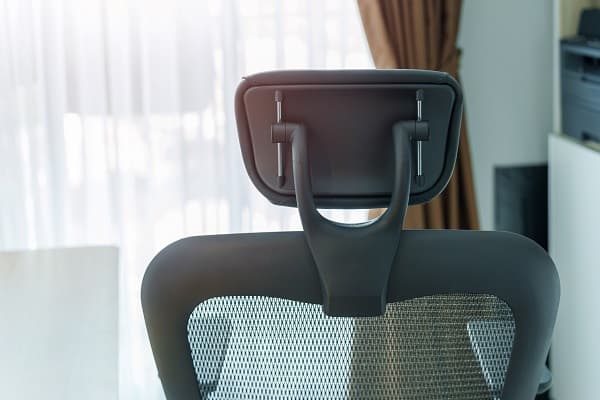
In an increasingly sedentary world, sitting, standing, and sleeping can significantly impact your back health. Ergonomics focuses on designing the workspace to fit the worker rather than forcing the worker to fit the workspace. Opting for an ergonomic chair with proper lumbar support or using a standing desk can make a big difference in preventing back pain. Additionally, investing in a quality mattress can provide much-needed relief during sleep, another crucial factor in back health.
Lifestyle changes extend beyond furniture choices. Maintaining a healthy weight helps to reduce the load on your spinal discs. Smoking has also been linked to higher incidences of back pain. Simple changes in daily habits can go a long way in relieving current discomfort and preventing future back pain episodes. These seemingly small adjustments build up over time and contribute to a broader strategy for managing back pain effectively.
The Bottom Line
Back pain can be debilitating, hampering daily activities and affecting mental health. However, understanding the nuances of different types of back pain, their causes, and available treatment options can empower individuals to take proactive steps toward relief and prevention. Multiple avenues are available for effective management, from immediate home remedies to long-term strategies like exercise, ergonomic adjustments, and lifestyle changes. While available, surgical options should often be considered a last resort. Adopting a comprehensive, multi-faceted approach to back health makes it possible to manage and, in many cases, significantly alleviate back pain, thereby improving the quality of life.