Contents
Vitamin B Complex – The Energy Catalysts

The Vitamin B complex is a group of eight water-soluble vitamins that play a critical role in cellular metabolism. These include vitamins like B1 (thiamine), B2 (riboflavin), B3 (niacin), and so on. Each of these vitamins has a unique role, but collectively, they are essential for converting food into energy, maintaining healthy skin and vision, and supporting nervous system function.
Foods rich in B vitamins include whole grains, meat, eggs, and legumes. The recommended daily intake varies for each B vitamin, but deficiencies can lead to issues like fatigue, anemia, and even nerve damage. While a balanced diet should provide all the B vitamins you need, supplements are available for those who may have dietary restrictions or absorption issues. As always, consult a healthcare provider for tailored recommendations.
Vitamin K – The Blood Regulator
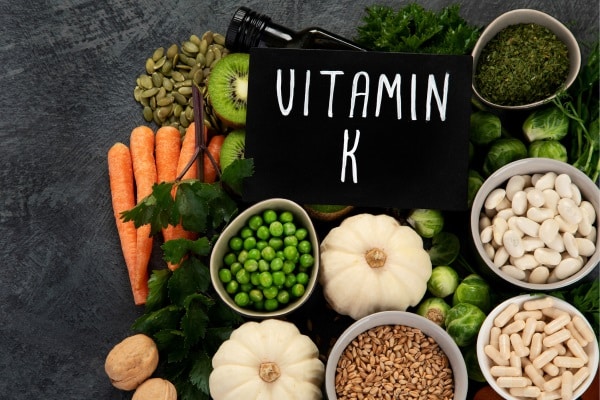
Vitamin K is a fat-soluble vitamin that plays a vital role in blood clotting and bone metabolism. It’s found in foods like leafy green vegetables, fish, and meat. Without adequate levels of Vitamin K, the blood would not clot properly, leading to excessive bleeding. Additionally, it helps in the regulation of calcium within the bones and bloodstream, making it essential for bone health.
The recommended daily intake of Vitamin K varies by age, sex, and life stage, but for most adults, it ranges from 90 to 120 micrograms per day. While it’s best to get this vitamin from dietary sources, supplements are also available. However, those taking blood-thinning medications should be cautious with Vitamin K intake and consult a healthcare provider for guidance.
Folic Acid – The Developmental Aid

Folic acid, also known as Vitamin B9, is crucial for proper brain function and plays a significant role in mental and emotional health. It’s especially important for pregnant women, as it helps prevent neural tube defects in the developing fetus. Foods rich in folic acid include leafy greens, fortified cereals, and legumes.
The recommended daily intake for folic acid is around 400 micrograms for most adults, but this amount increases for pregnant and breastfeeding women. While it’s generally better to obtain folic acid from foods, supplements are also an option, particularly for those who are pregnant or planning to become pregnant. As with all vitamins, it’s essential to consult a healthcare provider for personalized recommendations, especially during pregnancy.
How To Incorporate These Vitamins Into Your Diet

Achieving a balanced diet that includes all the essential vitamins can seem like a daunting task. However, with a little planning, it’s entirely doable. Start by incorporating a variety of fruits, vegetables, lean proteins, and whole grains into your meals. Meal prepping can be a great way to ensure you’re getting the nutrients you need. Additionally, consider using a food diary to track your vitamin intake, which can be an eye-opening experience.
Supplements can serve as a useful backup, but they should not replace a balanced diet. If you’re considering taking vitamin supplements, it’s crucial to consult a healthcare provider for personalized advice. Some vitamins can interact with medications or have adverse effects when taken in excess. Therefore, it’s always best to get a professional opinion before adding supplements to your regimen.
Ensure You Are Getting The Vitamins Your Body Needs!
You’ve just been equipped with valuable information on the essential vitamins your body needs for optimal health. While it’s important to strive for a balanced diet, remember that supplements can serve as a safety net when needed. Consult a healthcare provider for personalized recommendations and start making informed choices today. Your journey to a healthier, more vibrant life starts now!