Contents
How To Choose The Right Shoes
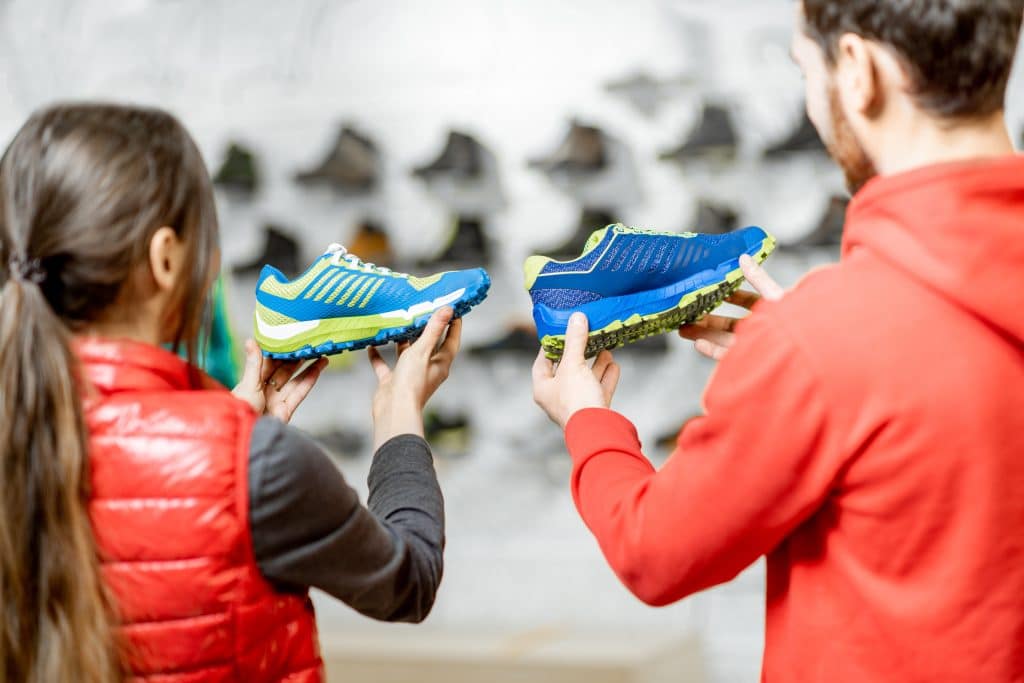
Selecting the right pair of shoes involves more than just picking a style you like; it’s about understanding your foot’s unique needs. One of the most crucial factors to consider is arch support. Shoes with good arch support help distribute weight evenly across your feet, reducing pressure points and improving alignment. This, in turn, minimizes the strain on your back, making activities like walking and standing more comfortable.
Material and cushioning are other essential elements to consider. Shoes made from breathable materials like leather or canvas can prevent foot discomfort, which can indirectly affect your back. Additionally, look for shoes with adequate cushioning to absorb the shock generated with each step you take. This cushioning can mitigate the force that travels up to your spine, reducing the risk of back pain.
The Role Of Orthotics And Insoles
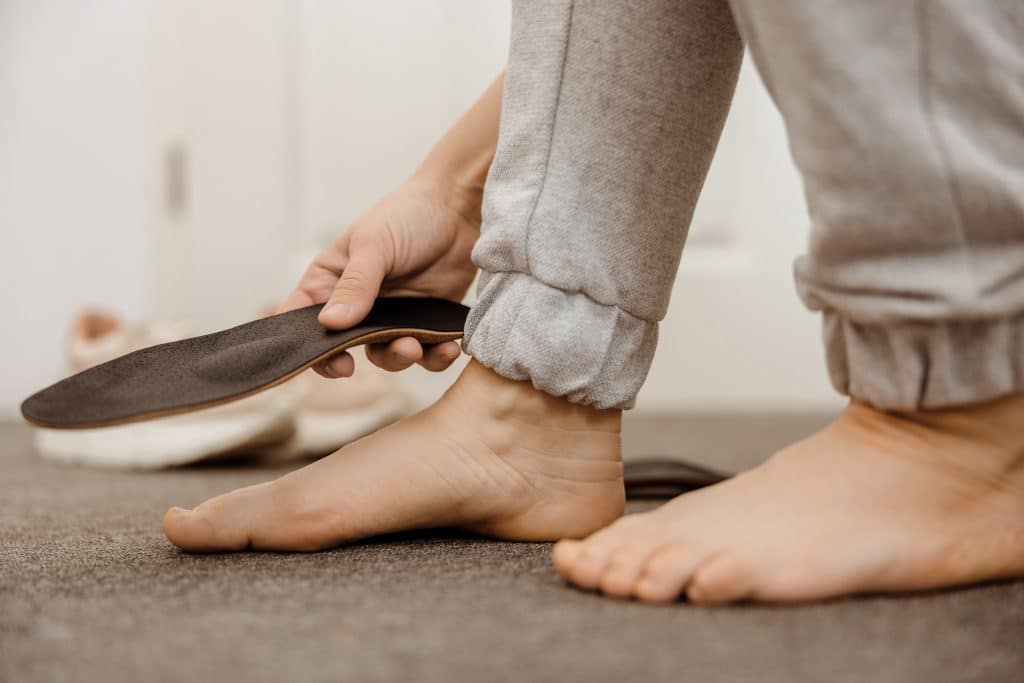
Orthotics are custom-made shoe inserts designed to support the natural shape of your foot. They can correct a variety of foot issues, from flat feet to high arches, and can be particularly beneficial for those who have specific foot-related problems that contribute to back pain. By correcting these issues, orthotics can restore proper alignment and relieve pressure on the spine.
Knowing when to consider orthotics is essential. If you’ve tried multiple types of supportive shoes and still experience back pain, it may be time to consult a healthcare professional. Podiatrists can perform a thorough examination and gait analysis to determine if custom orthotics could be a beneficial solution. These specialists can then design orthotics that address your specific needs, providing targeted relief for your back pain.
The Importance Of Regular Footwear Assessment

Your feet are not static; they change over time due to factors like age, weight fluctuations, and even hormonal changes. As such, the shoes that felt comfortable a year ago may not provide the same level of support today. Regularly assessing your footwear for signs of wear and tear is crucial for maintaining good back health. Look for indicators like uneven sole wear, reduced cushioning, or visible damage.
How often should you assess your footwear? A good rule of thumb is to evaluate your everyday shoes every six months. For athletic shoes, the recommendation is to replace them every 300 to 500 miles, depending on your activity level. Keeping up with these assessments ensures that you’re always wearing shoes that offer optimal support, thereby reducing the risk of developing back pain.
Additional Lifestyle Changes To Consider
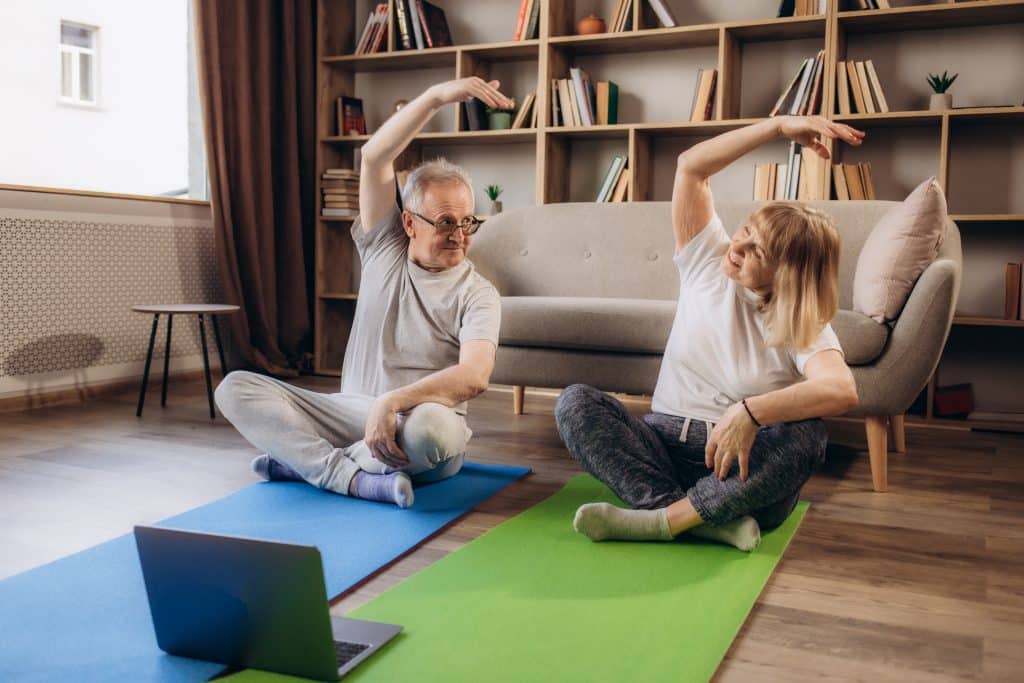
While choosing the proper footwear is a significant step in preventing back pain, it’s not the only factor to consider. Incorporating regular exercise into your routine can strengthen the muscles that support your spine, providing additional protection against back pain. Exercises that focus on the core and lower back can be particularly beneficial. Additionally, stretching routines that target the legs and back can improve flexibility, further reducing the risk of pain.
Weight management is another crucial aspect. Carrying extra weight, especially around the midsection, can put additional strain on your back. A balanced diet, combined with regular exercise, can help you maintain a healthy weight and reduce the load on your spine. Ergonomics also play a role; ensuring that your work environment is back-friendly can make a significant difference. From standing desks to ergonomic chairs, there are various ways to set up a workspace that minimizes back strain.
The Final Step: Making The Change For A Healthier Back
You’ve delved deep into the world of foot anatomy, shoe choices, and back health. Armed with this newfound knowledge, the ball—or perhaps more fittingly, the shoe—is now in your court. It’s time to make those informed decisions that could very well transform your daily comfort and long-term health. So, go ahead and assess that shoe rack, consult that podiatrist, or even start that exercise routine. Your back will thank you, and every step you take could be a step away from pain!