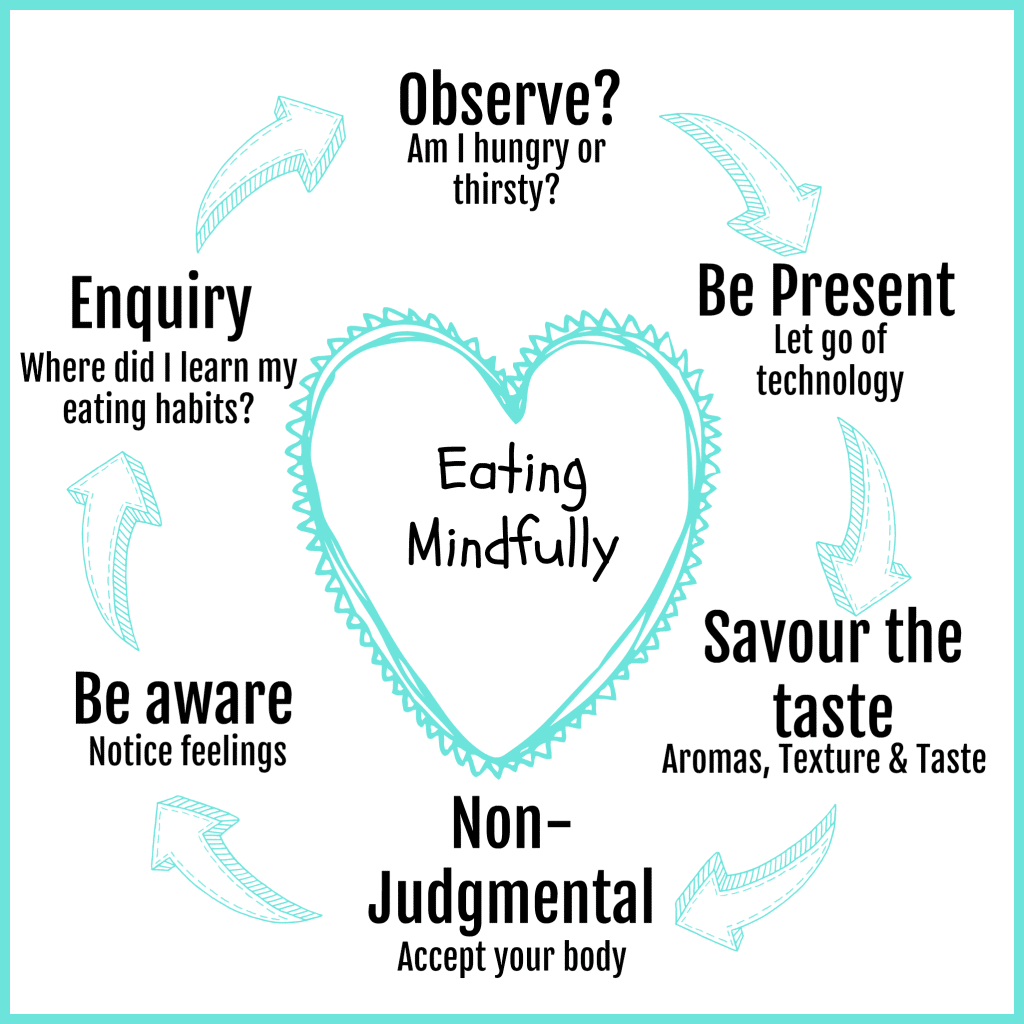
One practical technique for mindful eating is the “Savoring” technique. This involves consciously slowing down to enjoy each mouthful, noting the food’s taste, texture, and smell and the sensations of eating. It can help you appreciate your food more and feel satisfied with smaller portions. Another technique is the “Plate” technique, which involves dividing your plate into sections for different food groups to ensure a balanced meal. This can help you eat a variety of foods and get the nutrients your body needs.
Another technique is to establish a mindful eating environment. This means removing distractions like screens and eating at a designated place, not on the go. By creating a calm and focused environment for eating, you can be more present with your meal and your body’s signals, supporting better weight management.
Overcoming Challenges in Practicing Mindful Eating

While the concept of mindful eating sounds simple, implementing it can be challenging, especially in the beginning. One common obstacle is the fast pace of our modern lifestyle, which often pressures us to eat quickly or multitask. To overcome this, try scheduling designated meal times when you can eat without rushing or distractions. It might be difficult initially, but with practice, it will become easier.
Another common challenge is dealing with emotional eating, which can be deeply ingrained. Mindful eating encourages us to pay attention to our emotional states before, during, and after meals. If you notice you’re reaching for food out of stress or boredom rather than hunger, try to find other ways to cope with these emotions, such as taking a walk, practicing deep breathing, or talking to a friend. Over time, these mindful practices can help you develop a healthier relationship with food and manage your weight more effectively.
Mindful Eating and Exercise: A Balanced Approach

While mindful eating is a crucial component of weight management, it’s important to remember that it’s only one piece of the puzzle. Regular physical activity is equally important in maintaining a healthy weight and overall well-being. Exercise helps burn calories, build muscle, and boost metabolism, all supporting weight management. Furthermore, just as we apply mindfulness to eating, we can also apply it to exercise, paying attention to how our body feels and the joy movement can bring.
However, it’s crucial not to view exercise as a punishment or a way to ‘burn off’ unhealthy food choices. This can lead to an unhealthy relationship with both food and exercise. Instead, try to see exercise as a celebration of what your body can do and a way to stay healthy and strong. This positive mindset, combined with mindful eating, can create a balanced, sustainable approach to weight management.
Mindful Eating Vs. Dieting: A Comparative Analysis
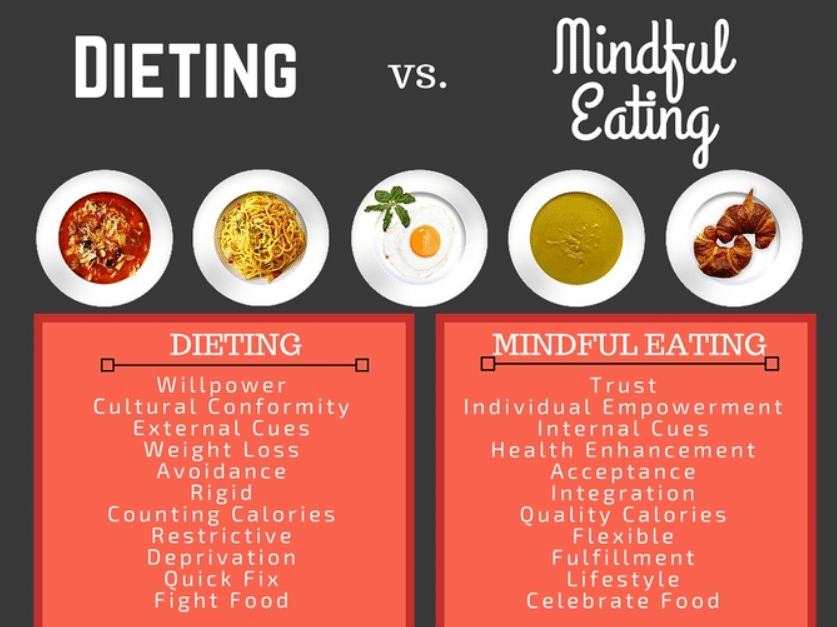
Traditional dieting often involves restricting certain foods or food groups, counting calories, and following rigid eating rules. While this might lead to short-term weight loss, it’s often unsustainable in the long term and can lead to a harmful cycle of yo-yo dieting. Furthermore, dieting can contribute to feelings of deprivation, guilt, and obsession with food, which can affect mental health.
On the other hand, mindful eating promotes a healthier and more sustainable approach to weight management. It doesn’t involve any off-limits foods or strict rules. Instead, it encourages tuning into your body’s signals and making conscious, balanced food choices. This approach supports physical health and promotes a healthier mindset and relationship with food. Therefore, mindful eating can be a beneficial alternative to traditional dieting.
Success Stories: Real-life Examples of Mindful Eating for Weight Management

There are countless success stories of individuals who’ve achieved significant weight loss and improved health through mindful eating. These individuals have learned to listen to their body’s cues, savor their food, and form a healthier relationship with eating. Their journeys show that weight management isn’t about quick fixes or deprivation but sustainable lifestyle changes and mindful choices.
For instance, one individual lost over 50 pounds by adopting mindful eating practices and letting go of restrictive dieting. They learned to slow down, enjoy their meals, identify true hunger and fullness signals, and navigate emotional eating. Their story illustrates the power of mindful eating and its potential for sustainable weight management.
The Future of Mindful Eating

The concept of mindful eating has gained traction over the years and will likely continue to do so. As more people seek sustainable and healthy ways to manage their weight, mindful eating offers a promising solution. It can potentially change not only individual eating habits but also broader societal attitudes toward food and health.
The health and wellness industry has begun incorporating mindfulness into its programs, acknowledging its benefits for weight management and overall health. Future developments may include more resources, apps, and programs focused on teaching and promoting mindful eating practices. These advancements will make mindful eating more accessible and could significantly impact global health and wellness.
Embracing the Journey: The Last Bite on Mindful Eating
Mindful eating presents a shift from conventional dieting methods towards a more conscious, holistic, and sustainable approach to weight management. By paying attention to our food and our body’s cues, we can enhance our physical health, improve our mental well-being, and find joy in the simple act of eating. Although mindful eating requires practice and patience, the journey is well worth the rewards. So why not give it a try? Start your mindful eating journey today and discover a new, balanced relationship with food and your body.