In today’s fast-paced society, eating has often been reduced to a mindless refueling process. But have you ever considered how you eat could be just as important as what you eat? Welcome to the world of mindful eating, a practice emphasizing the importance of focusing on the present moment and savoring each bite. With obesity and related health issues on the rise, understanding and applying mindful eating could be the key to effective and sustainable weight management. This article delves into what mindful eating is, why it matters, and how you can incorporate it into your life.
The Problem with Mindless Eating

Our modern lifestyle often pushes us to eat on the run, in front of screens, or while juggling multiple tasks. This lack of attention to the act of eating is referred to as mindless eating, which can lead to overconsumption and unhealthy food choices. When we eat mindlessly, we’re not only likely to eat more than our body needs, but we also tend to miss out on the joy and satisfaction that mindful eating can bring.
Not only can mindless eating lead to weight gain, but it also affects our overall health. Consuming food too quickly can cause digestive issues, such as bloating and indigestion. Moreover, when we eat mindlessly, we often overlook the signals our body sends us, such as the feeling of fullness. This disconnection can lead to overeating and, in the long term, to problems like obesity and its related health risks.
Understanding Mindful Eating

Mindful eating is the practice of paying full attention to the experience of eating and drinking, both inside and outside the body. It involves noticing the colors, smells, flavors, and textures of your food; chewing slowly; getting rid of distractions; and learning to cope with guilt and anxiety about food. It’s about being present in the moment and savoring each bite rather than eating mindlessly.
By practicing mindful eating, we can relearn how to eat based on physiological cues like hunger and fullness rather than emotional triggers and ingrained eating habits. Mindful eating isn’t about being perfect, eating the ‘right’ things, or never allowing yourself to eat on the run again. It’s about increasing your awareness and making conscious choices about what, when, and how much to eat.
The Science Behind Mindful Eating
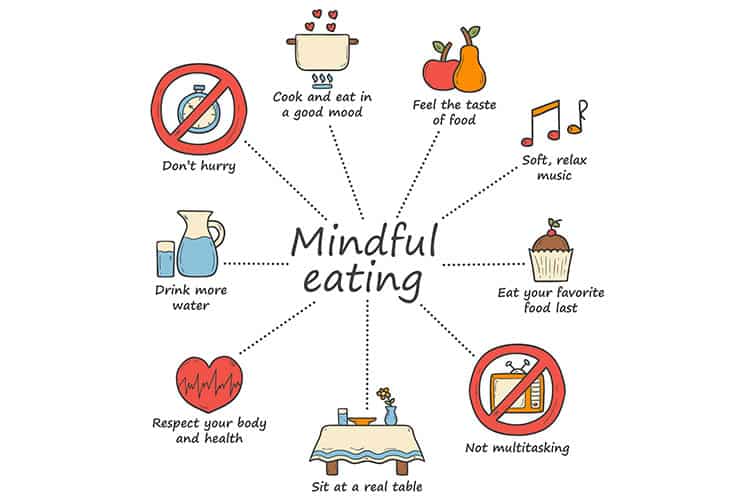
Several studies have highlighted the potential benefits of mindful eating for weight management. According to research, mindfulness during meal times can help reduce overeating, curb binge eating, and even help manage weight-related conditions like diabetes and heart disease. This is likely because mindful eating helps individuals reconnect with their internal hunger and fullness cues, promoting healthier and more balanced eating habits.
Additionally, research has shown that mindful eating can lead to a decrease in eating in response to emotions or external cues, which are key contributors to weight gain. This shift from mindless to mindful eating may significantly influence our eating behaviors, thereby supporting weight management and overall health.
Benefits of Mindful Eating
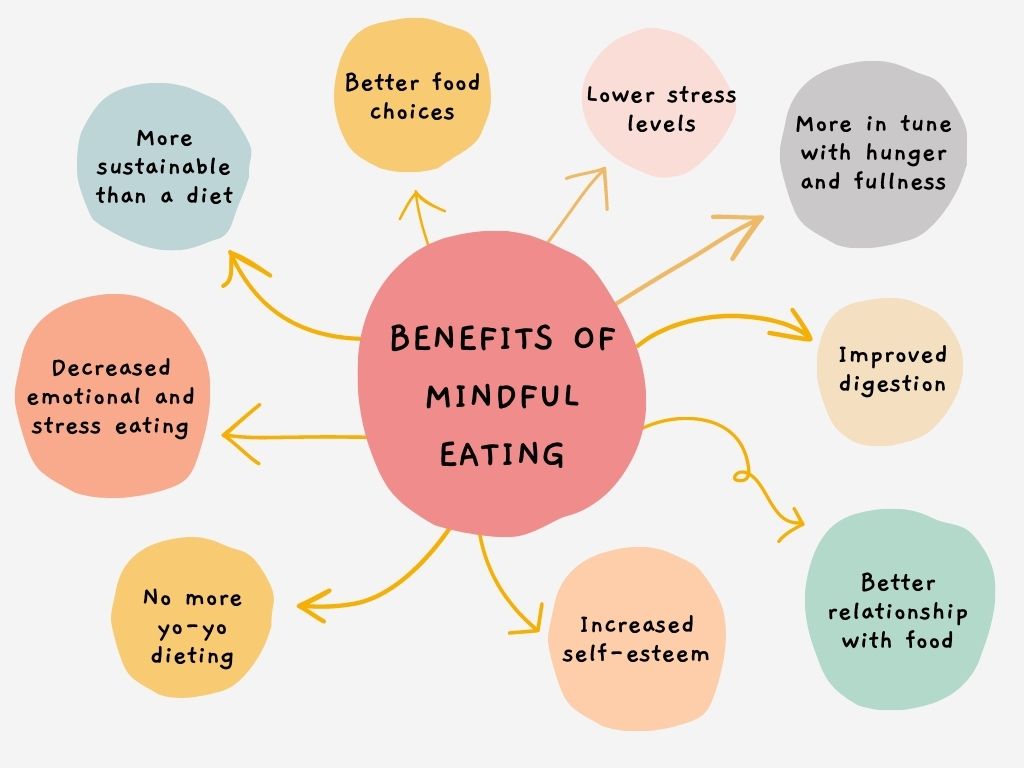
Practicing mindful eating brings numerous benefits, both physical and psychological. Physically, it aids in better digestion by encouraging slower eating and more thorough chewing, which are crucial for optimal digestion and nutrient absorption. Mindful eating also supports weight management by helping reduce overeating and promoting a healthier relationship with food. Additionally, teaching us to savor and appreciate our food can make meals more satisfying, potentially reducing cravings and the need for excessive portion sizes.
On the psychological front, mindful eating can enhance the overall enjoyment of food. It can help transform eating from a mindless, stress-filled activity into a more pleasurable and relaxing experience. It also helps reduce stress and guilt associated with eating, as it encourages acceptance and appreciation of our food choices rather than judgment and regret. This improved relationship with food can contribute to better overall mental well-being.
Practical Ways to Practice Mindful Eating

So how can one start practicing mindful eating? Firstly, slow down your meal times. It takes about 20 minutes for our brains to register that we’re full, so taking the time to eat slowly can help prevent overeating. Try setting your utensils down between bites or chewing each mouthful thoroughly. Make it a point to taste every flavor in your food and enjoy the texture of each bite.
Secondly, pay attention to hunger and fullness cues. Before eating, ask yourself: “Am I truly hungry, or am I bored, stressed, or eating out of habit?” Learn to distinguish between physical hunger and emotional hunger. During meals, stop eating when you feel comfortably satisfied, even if there’s still food left on your plate. By tuning into these cues, you can ensure you’re eating for the right reasons and in the right amounts.
Mindful Eating Techniques for Weight Management