

Grilling

Grilling is a cooking technique that many people associate with outdoor gatherings and barbecues. It’s a method that imparts a smoky flavor and beautiful grill marks on the surface of the food. Grilling is also advantageous from a nutritional standpoint as it requires minimal added fats, allowing for a lower-calorie meal. The high heat and quick cooking time can also preserve nutrients, particularly when grilling vegetables and lean meats.
However, grilling is not without its drawbacks. The high temperatures can lead to the formation of harmful substances like acrylamide, especially in starchy foods like potatoes. Additionally, grilling meat at high temperatures can produce heterocyclic amines (HCAs) and polycyclic aromatic hydrocarbons (PAHs), substances linked to cancer. To mitigate these risks, it’s advisable to marinate foods before grilling and to avoid charring them. Foods like vegetables, fish, and lean meats are generally good choices for grilling as they are less likely to form harmful substances.
Baking

Baking is a versatile cooking method commonly used for savory and sweet dishes. Baking offers a wide range of culinary possibilities, from bread and pastries to casseroles and roasted vegetables. Nutritionally, baking is a better option than frying or boiling for certain foods, as it doesn’t require submersion in water or oil, thereby preserving more nutrients. The enclosed environment of an oven also allows for even cooking, reducing the need for added fats.
Despite its versatility, baking has its limitations. It often requires longer cooking times, which could lead to nutrient degradation in some foods. Additionally, depending on the recipe, baked goods can be high in sugar, fats, and calories. However, baking can be a nutritious option when it comes to vegetables, lean meats, and fish. Herbs, spices, and minimal oil can enhance flavors without compromising nutritional value.
Sous-vide
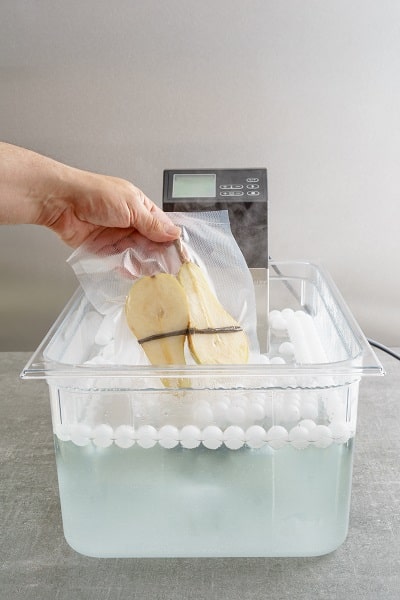
Sous-vide is a French term that translates to “under vacuum,” it involves sealing food in a plastic bag and cooking it in a water bath at a precise temperature. This technique offers unparalleled control over cooking, allowing for perfectly cooked meals every time. From a nutritional standpoint, sous-vide is excellent for preserving nutrients. The sealed environment ensures no nutrients are lost to the cooking water, and the low, precise temperatures minimize nutrient degradation.
However, sous-vide cooking is not as accessible as other methods due to the need for specialized equipment like a vacuum sealer and an immersion circulator. The cooking times can be long, requiring planning and patience. Despite these drawbacks, foods like steak, fish, and vegetables can benefit greatly from sous-vide cooking in terms of flavor and nutrition.
Microwaving

Microwaving is the most convenient cooking method, especially for those short on time. It’s quick, easy, and surprisingly good at preserving nutrients. Because microwaving often requires less cooking time than other methods, there is less time for nutrients to degrade. Additionally, microwaving usually doesn’t require added fats or oils, making it a lower-calorie option.
However, microwaving has its downsides. The cooking is often uneven, leading to hot and cold spots in the food. This can be particularly problematic for meats, as uneven cooking can pose a food safety risk. Some plastics and containers are not microwave-safe and can leach harmful chemicals into the food. Despite these limitations, vegetables, fruits, and reheated leftovers are generally well-suited for microwaving.
The Bottom Line
Understanding the impact of different cooking techniques on nutritional outcomes is crucial for making informed dietary choices. While no method is perfect, each has advantages and disadvantages that can either enhance or degrade the nutritional value of food. Boiling and steaming are excellent for safety and convenience but can lead to nutrient loss. Grilling and baking offer flavorful outcomes but come with their own sets of challenges. Sous-vide and microwaving provide precise and quick cooking but require special considerations. Ultimately, the key is diversifying cooking methods to enjoy a range of flavors while maximizing nutritional benefits. So, the next time you’re in the kitchen, consider experimenting with these techniques to find the best fit for your nutritional needs and culinary preferences.