Contents
Relationship with Diabetes

Oral health and diabetes share a complicated bi-directional relationship. Gum diseases, particularly periodontitis, can interfere with blood glucose control, making the management of diabetes more challenging. High blood sugar, characteristic of diabetes, can lead to a greater supply of sugars and starches in the mouth, offering a breeding ground for harmful bacteria, further exacerbating gum diseases.
On the other hand, individuals with diabetes are more susceptible to infections, including gum diseases. The body’s decreased ability to fight off bacteria combined with reduced blood flow to the gums makes those with diabetes particularly vulnerable to oral health issues. As a result, it’s imperative for individuals with diabetes to be extra vigilant about their oral health, as it can influence and be influenced by their diabetic condition.
The Link to Pregnancy and Birth

Pregnancy brings about a multitude of hormonal changes in the body, some of which can directly impact oral health. Elevated hormone levels can make gums more susceptible to plaque, leading to increased instances of gingivitis among pregnant individuals. This not only affects the expecting mother’s health but might also have implications for the unborn child.
Research has indicated a connection between severe gum diseases, like periodontitis, and adverse birth outcomes such as premature birth or low birth weight. While the exact mechanisms are still under investigation, it’s believed that oral infections can cause an increase in pro-inflammatory markers, potentially inducing early labor. Thus, maintaining oral hygiene isn’t just about the individual’s health but can also play a part in ensuring a healthy start for the newest member of the family.
Reduces The Risk of Injury
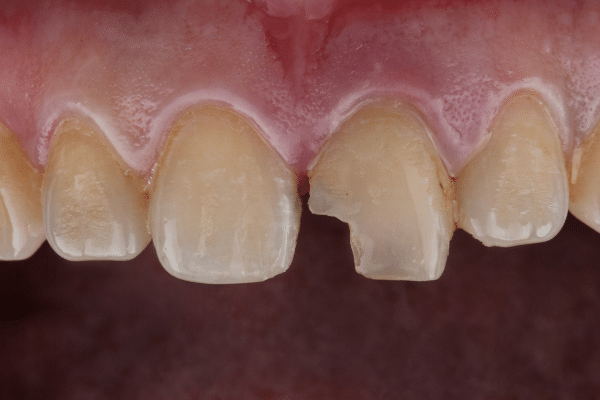
A neglected oral cavity can be the ground zero for various issues, some of which lead directly to physical injuries. Teeth weakened by cavities or gum diseases are prone to breaking, chipping, or getting dislodged, which can result in painful and sometimes severe dental emergencies. The risk isn’t just confined to the aesthetics of a smile but can lead to complications like infections that may require intense treatments.
Moreover, gum diseases left untreated can cause gums to recede, weakening the overall structure that holds the teeth in place. This instability can lead to shifting of teeth or loss of teeth altogether. Such scenarios can complicate everyday tasks, from chewing food to speaking clearly. Ensuring regular dental checkups and maintaining good oral hygiene practices can help in preventing these complications.
Psychological and Social Implications

A radiant smile isn’t just about looking good; it has deeper psychological and social ramifications. People often associate good oral health with confidence, trustworthiness, and approachability. On the flip side, dental issues such as stained, crooked, or missing teeth might lead to reduced self-esteem, making individuals less inclined to participate in social interactions or avoid them altogether.
Additionally, poor oral health can lead to constant discomfort or pain, which can have a toll on one’s mental well-being. It might lead to irritability, sleep disturbances, or even anxiety about potential dental issues in the future. Ensuring a healthy mouth isn’t just about preventing physical ailments but is also a cornerstone for mental well-being and positive social engagements.
The Bottom Line
Oral health serves as a window to the body’s overall well-being. From signaling severe health conditions to affecting one’s mental and social health, the mouth plays an integral role in ensuring holistic health. Recognizing this connection underscores the importance of regular dental care and stringent oral hygiene practices. By taking the necessary steps to maintain a healthy mouth, one can ensure a myriad of health benefits, reaffirming the age-old adage that prevention is indeed better than cure.