High Sodium Foods
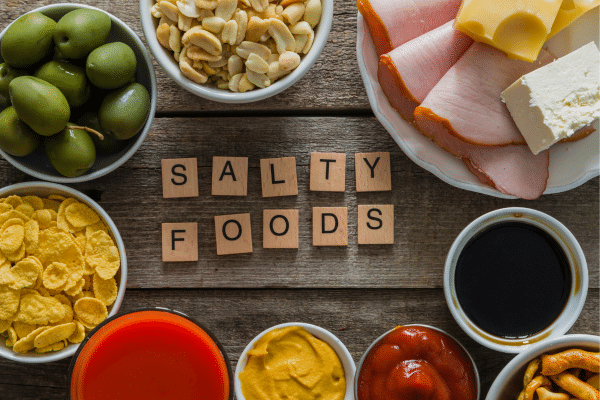
A diet rich in high sodium foods can have a more significant impact on mental health than one might assume. Excessive sodium intake can disrupt the body’s fluid balance, placing stress on the kidneys and potentially leading to hypertension. Beyond its well-known cardiovascular implications, hypertension has been linked to mood disturbances, including increased symptoms of depression.
The neurological implications of high sodium are another concern. Sodium plays a crucial role in nerve function and neurotransmission. Overconsumption can disrupt these delicate processes, potentially influencing mood and exacerbating depressive symptoms. Further, sodium’s indirect effects, such as weight gain and other related health issues, can have cascading impacts on self-esteem and overall mental well-being.
Refined Carbs

Processed and refined carbohydrates, including foods like white bread, pastries, and certain cereals, can be detrimental to mental health. Similar to refined sugars, these carbs can lead to rapid spikes and subsequent crashes in blood sugar levels. Such fluctuations can result in mood swings, feelings of fatigue, and diminished cognitive function. Consistently experiencing these symptoms might predispose an individual to feelings of anxiety and depression.
But it’s not just about blood sugar; the gut’s health comes into play here as well. A diet high in refined carbs can contribute to an imbalance in gut microbiota. The gut-brain axis, a bidirectional communication system between the gut and the brain, can transmit these imbalances as mood disturbances. Thus, by compromising gut health, refined carbs may indirectly contribute to the onset or exacerbation of depressive symptoms.
Caffeine

While many turn to caffeine for a boost of energy or increased alertness, its excessive consumption can have unforeseen repercussions for mental health. Caffeine can stimulate the central nervous system, leading to heightened feelings of anxiety or restlessness. For some, this heightened state can exacerbate underlying feelings of unease, potentially amplifying symptoms of depression or triggering panic attacks.
Moreover, one of caffeine’s most known effects is its potential to disrupt sleep patterns. Sleep plays a pivotal role in mental well-being, with disturbances often correlating with mood disorders. Those who consume large amounts of caffeine, especially later in the day, may find it challenging to achieve restorative sleep, thereby potentially worsening or triggering depressive symptoms.
High Fat Dairy Products

The debate surrounding high fat dairy products and their effect on mental health is ongoing. Some studies suggest that excessive consumption of such products can lead to an increase in inflammatory markers in the body. Chronic inflammation, as previously discussed, has been associated with a heightened risk of developing depressive symptoms.
Apart from inflammation, high fat dairy products, especially when consumed in excess, might influence hormonal balances in the body. Certain hormones, when imbalanced, can have direct implications for mood and mental well-being. For instance, hormonal fluctuations can lead to mood swings, feelings of irritability, and general malaise, all of which can compound pre-existing depressive symptoms.
The Bottom Line
Navigating the intricacies of diet and its impact on mental health requires both awareness and balance. Recognizing the potential pitfalls of certain foods and their implications for depression is essential. It’s equally vital to remember that food is just one piece of the mental health puzzle. Holistic well-being encompasses a myriad of factors, including genetics, environment, and lifestyle choices. Still, by making informed dietary decisions, one can pave the way towards better mental health and overall wellness.