Contents
Treatment Options For Muscle Cramps

So, you’ve got a cramp—what next? Home remedies are often the first line of defense. Stretching the affected muscle, massaging the area, and applying warm or cold compresses can offer immediate relief. These methods work by relaxing the contracted muscle, improving blood flow, and easing tension. Over-the-counter solutions like pain relievers or muscle relaxants are also available for those who need quick relief. However, these medications should be used cautiously and are generally not recommended for long-term treatment of recurring muscle cramps.
If your cramps persist or intensify, it may be time to consult a healthcare professional. Chronic or severe cramps can sometimes signal underlying health issues that require medical intervention. A doctor may conduct tests to determine if your cramps are symptomatic of a more significant concern like nerve compression, mineral deficiency, or even certain medications you may be taking.
Prevention Techniques

Taking steps to prevent muscle cramps can save you from future discomfort and potential health issues. Preparation and awareness are key. Incorporating warm-up exercises before any strenuous activities can prepare your muscles for the work ahead. Additionally, staying hydrated before, during, and after workouts can help in maintaining the balance of electrolytes in your system, thereby reducing the likelihood of cramps.
Balance is the operative word here, not just in terms of body chemistry but also in diet. Consuming a balanced diet rich in vitamins and minerals can go a long way in preventing cramps. Foods like bananas, nuts, and leafy green vegetables provide essential nutrients that support muscle health and ward off cramps.
Psychological Aspects Of Muscle Cramps
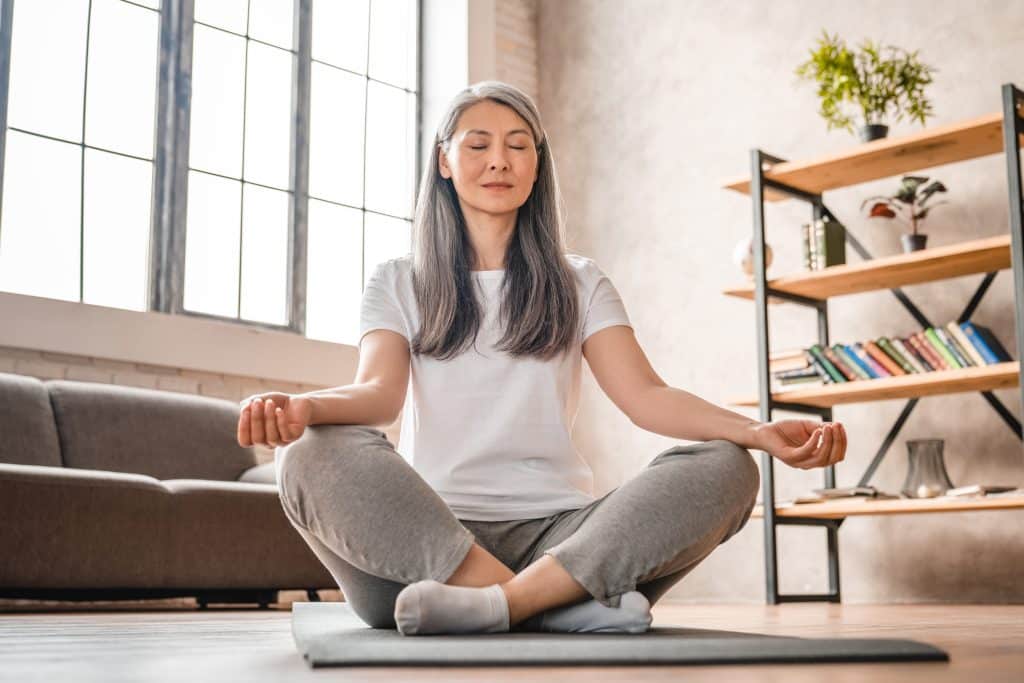
It might sound surprising, but your mental state can have a direct impact on your physical well-being, including the likelihood of experiencing muscle cramps. When you are stressed or anxious, your body is more prone to muscle tension, which can escalate into cramps. Simple relaxation techniques such as deep breathing or progressive muscle relaxation can offer some relief in such situations.
Mindfulness techniques can also be a useful tool in managing stress-related muscle cramps. Activities like mindfulness meditation focus on breath control and body awareness, helping you to better understand the signals your muscles are sending. This, in turn, can lead to better management and possibly even prevention of cramps in the long run.
What You Should Not Ignore
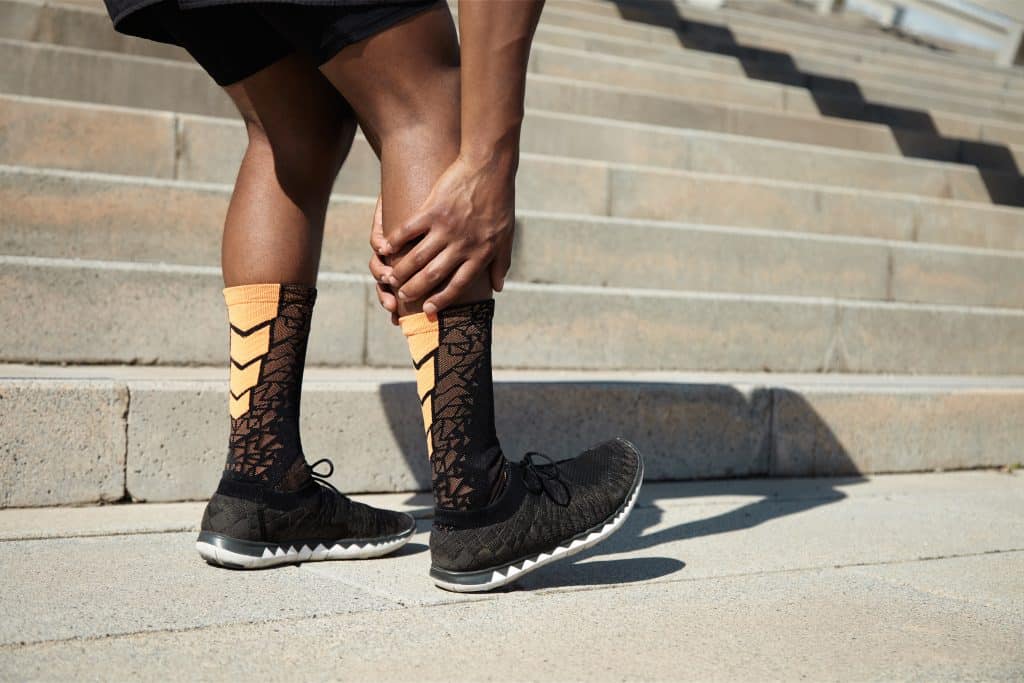
While many muscle cramps are harmless, some are warning signs of a more severe issue. Prolonged pain, accompanying symptoms like swelling, redness, or cramps that occur without an apparent cause, should not be ignored. These could be indicators of a more serious underlying condition that needs medical attention.
It’s crucial to consult a healthcare professional if you experience persistent or unusually severe cramps. The reason could range from a mineral deficiency to medication side effects or even more serious issues like nerve disorders. Being proactive about these symptoms could be a life-saving decision.
Unraveling The Messages Behind Muscle Cramps
Muscle cramps might seem like a minor annoyance, but as you’ve learned, they can tell you a lot about your overall health. Understanding their types, causes, and what your body may be signaling through them can guide you toward a healthier lifestyle. Don’t merely treat cramps as fleeting discomfort; instead, use them as a cue to tune into what your body needs. Take proactive steps for prevention, but don’t hesitate to seek professional advice when things seem off the mark.