

The Right Time for Carbs

Carbohydrates often get a bad rap regarding weight loss, but knowing when to eat them can make all the difference. Consuming complex carbohydrates earlier in the day, like whole grains and vegetables, can provide sustained energy. This is crucial for remaining active and burning calories.
Before a workout, consuming simple carbohydrates can offer quick energy, which may enhance workout performance. Studies, including one from the Journal of Applied Physiology, suggest that ingesting carbohydrates half an hour before exercise can improve endurance and performance. Thus, when timed correctly, carbohydrates can be a beneficial part of a weight loss strategy.
Fats: Friend or Foe?
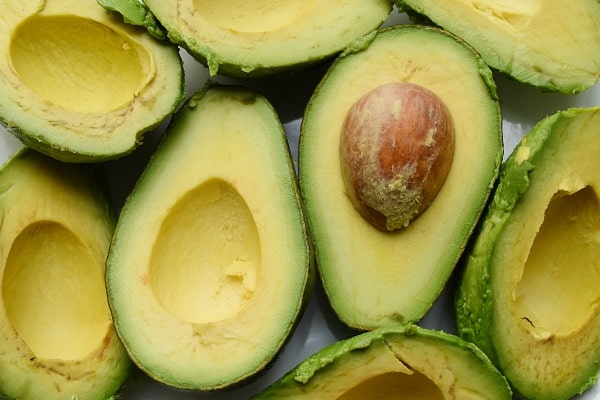
The common misconception is that eating fats leads to weight gain. However, not all fats are created equal. Unsaturated fats in foods like avocados, nuts, and fish can aid in weight loss by keeping you full for longer periods. Consuming fats in the morning or as part of a balanced meal can provide sustained energy and keep hunger pangs at bay.
It’s essential to differentiate between good and bad fats when planning meals. Trans fats, commonly found in processed foods, can lead to weight gain and other health issues. On the other hand, when consumed in moderation and at the right time, unsaturated fats can be a useful tool for weight management.
Timing for Fruits and Vegetables
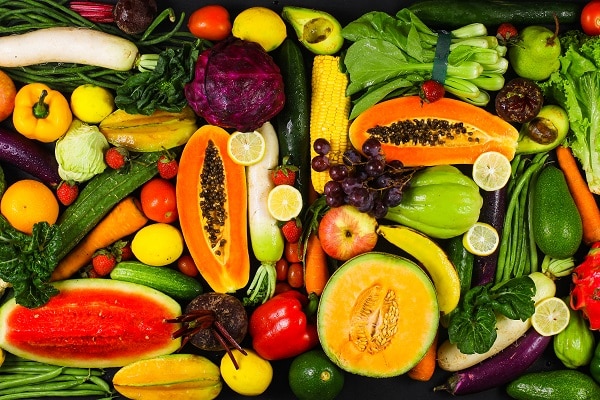
Fruits and vegetables are rich in essential nutrients and fiber, making them invaluable components of a balanced diet. Consuming fruits in the morning can offer a natural sugar boost, providing immediate energy without the crash that comes from processed sugars. In the evening, vegetables can be a good option as they are low in calories and fiber, aiding digestion and weight loss.
However, be mindful of the sugar content in certain fruits. Consuming fruits with high sugar content late at night can potentially lead to weight gain. As per a study in the Nutrition Journal, consuming high-fiber vegetables as part of your last meal can aid in weight loss by promoting feelings of fullness and improving digestion.
Hydration: The Key to Weight Loss

Hydration plays a crucial role in weight loss. Drinking water can enhance metabolic rate and assist in calorie burning. Consuming water before meals can also make one feel full, reducing the amount of food consumed. Therefore, staying hydrated is not just about quenching thirst; it’s an integral part of weight loss.
Timing your water intake can offer additional benefits. Drinking water half an hour before meals has been shown to reduce hunger and calorie intake, as indicated in a study published in Obesity. Another effective strategy is consuming water-rich foods like cucumbers and watermelons, which can keep you hydrated while aiding in weight loss.
Creating A Timed Eating Plan
Once armed with the benefits of timed eating and the ideal times to consume various food groups, the next step is to create a tailored eating plan. Start by tracking your current eating habits to identify areas for improvement. Make gradual changes to avoid overwhelming yourself, and focus on aligning your meals with your circadian rhythm.
Numerous tools and apps are available to help you track your eating schedule. Utilizing these resources can make it easier to stick to your plan and monitor your progress. Remember, consistency is key, and it may take some time to see significant results. Stay committed, and don’t hesitate to consult healthcare professionals for personalized advice.
The Bottom Line
Timed eating offers a fresh weight-loss perspective, going beyond the traditional advice of “eat less, move more.” By aligning eating schedules with the body’s natural metabolic cycle, one can optimize the benefits of the foods consumed, leading to more effective weight loss. It’s not just about what you eat, but when you eat it, that makes the difference. It’s time to listen to your body’s internal clock and try timed eating. Take the first step today and reap the rewards of a healthier, lighter you.