In today’s fast-paced world, experiencing body pain has become common. Pain can manifest in various forms across different body areas, Whether due to long hours at the desk or a rigorous workout session. And while it’s tempting to seek quick fixes such as over-the-counter painkillers or massages, stretching can be a natural and effective way to alleviate discomfort. This article explores easy stretches that anyone can incorporate into their daily routine. From the importance of stretching to preventive measures and targeted stretches for different body parts, the subsequent sections provide a comprehensive guide to help relieve your pain through stretching.
Contents
The Importance of Stretching

Stretching is often associated with athletes or individuals heavily in physical fitness. However, the benefits of stretching extend far beyond the athletic realm. Incorporating even a few minutes of stretching into your daily routine can dramatically increase blood flow, enhancing oxygen supply to various muscles and tissues. This not only aids in better mobility but also helps in quicker recovery from muscle fatigue or soreness.
Regarding pain relief, stretching takes on an even more pivotal role. Through elongation and relaxation, stretching eases muscle tension, often the culprit behind different types of pain. It is particularly effective in alleviating discomfort related to posture or overuse of specific muscle groups. Additionally, regular stretching helps improve overall flexibility, vital for maintaining a healthy musculoskeletal system and reducing the risk of injuries that may lead to chronic pain.
Understanding Types of Pain

Pain is not a monolith; it varies in duration, intensity, and even the type of discomfort it brings. Acute pain often arises suddenly and is usually sharp in quality. It may last for a short period and is often caused by damage to tissue such as bone, muscle, or organs. Stretching can help with acute pain, particularly if it’s muscular, by promoting blood flow and reducing muscle tension.
Chronic pain, on the other hand, can last for weeks, months, or even years and is often the result of ongoing conditions. Conditions such as arthritis, fibromyalgia, or chronic back pain often involve a significant degree of chronic pain. Stretching can be a valuable part of a broader pain management strategy for these longer-term issues. While it may not completely alleviate the pain, it can significantly improve quality of life by enhancing mobility and reducing muscle stiffness associated with chronic conditions.
Precautions Before You Begin Stretching

Before diving into the world of stretching for pain relief, it’s crucial to remember that a healthcare provider should always evaluate severe or ongoing pain. While stretching is generally safe and beneficial, it’s not a substitute for professional medical advice and treatment, especially if the pain is due to an underlying medical condition.
The next step is to ensure that you are appropriately prepared for stretching, which begins with a warm-up. Cold muscles are more prone to injury, so a quick 5-10-minute warm-up can make your stretching more effective and safer. This could be a brisk walk or a few minutes of light aerobic exercise. Additionally, focus on maintaining proper posture and alignment during each stretch to maximize benefits and minimize the risk of injury. Now that you have the foundational knowledge, let’s delve into specific stretches that target various body parts.
Upper Body Stretches

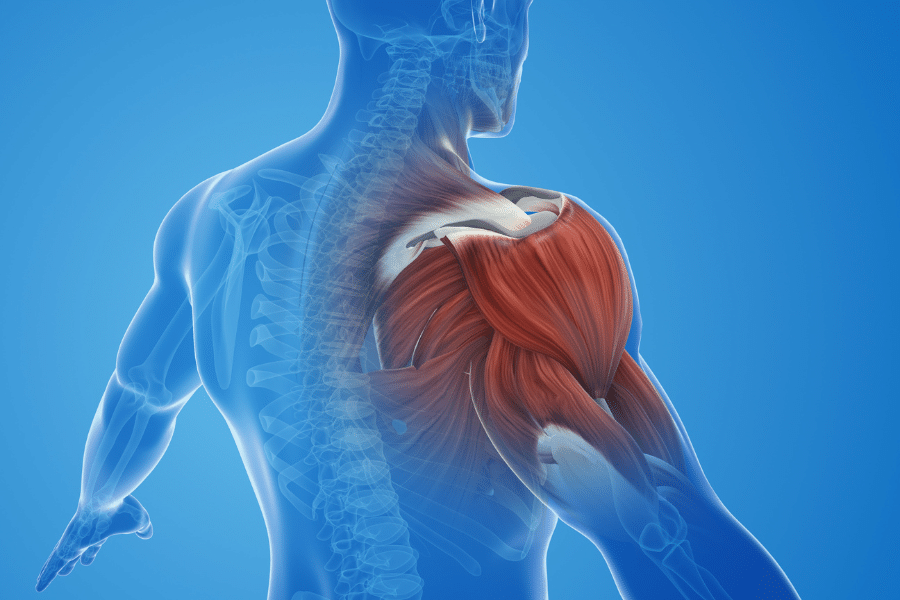
Pain in the upper body, including the neck and shoulders, is often due to prolonged sitting, poor posture, or stress. An effective way to alleviate such discomfort is through targeted stretching. The Neck Stretch, for instance, involves gently tilting your head toward one shoulder while keeping the other shoulder down. Hold this position for 15-30 seconds, and then switch sides. This helps in loosening tight neck muscles and enhancing the range of motion.
Another essential upper body stretch focuses on the shoulders. The Shoulder Stretch involves extending one arm across your body and using the opposite hand to push it closer to your chest. Holding each side for about 20-30 seconds can significantly reduce tension in your shoulder area, which is especially beneficial for people who spend long hours at a computer or engage in repetitive motions.