

Understanding your blood test results can feel like interpreting a foreign language. It’s filled with medical jargon, numbers, and phrases that can be difficult for anyone without a medical background. However, gaining insight into these results can empower you to be more involved in healthcare decisions. This article will take a deep dive into blood tests, from their importance to the basics of blood composition and common types of blood tests. By the end, you will better understand how to interpret your blood test results.
The Importance Of Blood Tests

Blood tests are an essential medical tool, providing valuable information about a person’s health status. They can help detect diseases early, making treatment more effective and potentially saving lives. They can also monitor the body’s response to certain treatments, allowing healthcare providers to adjust dosages or methods if necessary.
Additionally, blood tests are integral to regular health check-ups, giving a snapshot of an individual’s overall health. They provide insights into organ function, such as the liver and kidneys, and can flag potential health problems before they become serious. Understanding the results of these tests is key to actively participating in your healthcare decisions.
Basics Of Blood Composition
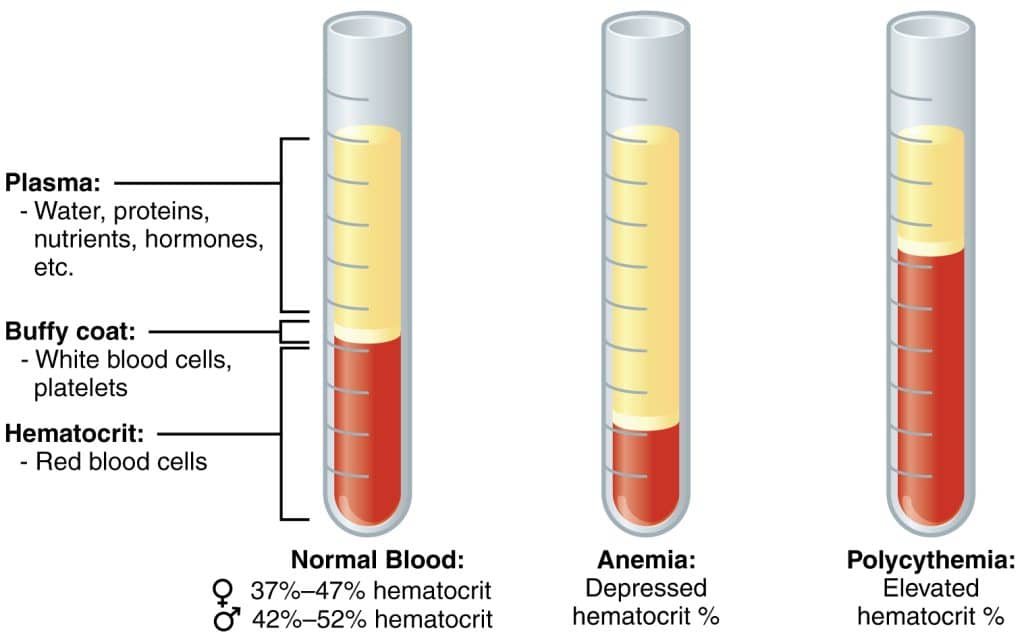
Your blood comprises various components, each critical in maintaining your health. Red blood cells, or erythrocytes, carry oxygen throughout the body. White blood cells, or leukocytes, are the soldiers of your immune system, fighting off infections and diseases. Platelets help with clotting, preventing excessive bleeding when you get injured.
In addition, blood contains plasma, a yellowish liquid composed mostly of water but also proteins, hormones, and nutrients. All these components are reflected in your blood test results. Understanding the function of these components and their normal ranges will help you better comprehend your blood test results.
Common Blood Tests And What They Measure

There are a variety of blood tests, each designed to measure specific components of the blood. A complete blood count (CBC) is one of the most common tests. It measures the number of different types of cells in your blood, including red and white blood cells and platelets.
Other commonly performed blood tests include a metabolic panel, which gives information about your metabolism and checks the health of your kidneys and liver. A lipid panel assesses your risk of developing cardiovascular diseases by measuring substances such as cholesterol and triglycerides. The thyroid panel tests the function of your thyroid gland, which controls many of your body’s activities. Finally, enzyme markers can indicate heart damage or other conditions. Each of these tests provides a unique perspective on your health.
Interpreting Key Parameters In Blood Test Results
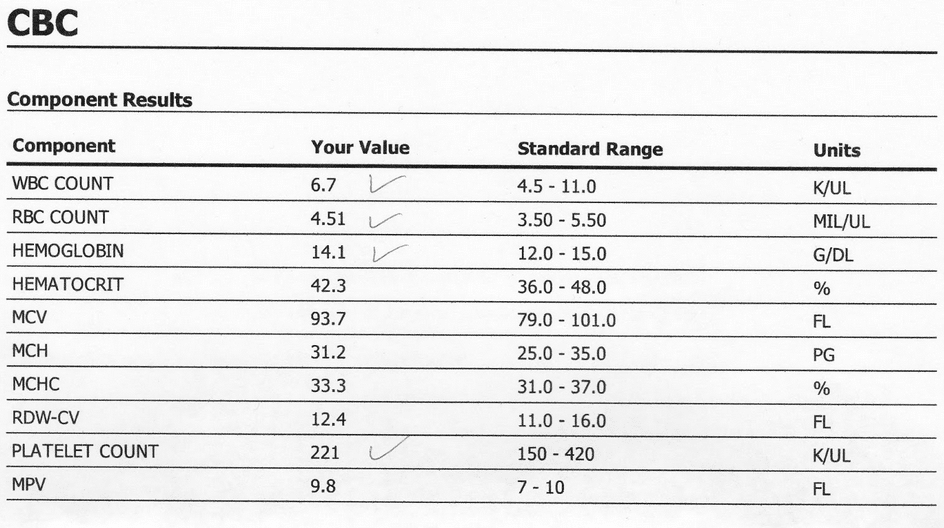
Blood tests return a wealth of information, often presented as a series of numbers compared to a ‘normal’ range. The concept of the normal range is important – these are values within which the vast majority of the healthy population falls. If a result falls outside this range, it may be flagged for further investigation.
Among the key parameters you will often see in your results are hemoglobin level, white blood cell count, blood glucose level, cholesterol level, and liver and kidney function indicators. Hemoglobin is vital for carrying oxygen, white blood cells are integral to the immune system, glucose and cholesterol levels can indicate metabolic health, and the liver and kidney parameters help gauge the health of these essential organs.