Kale
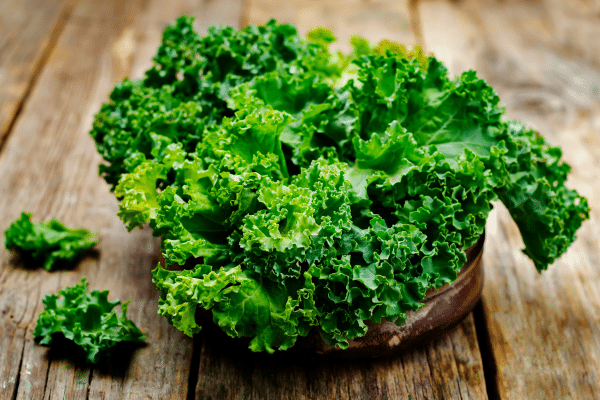
Once relegated to the role of a mere garnish, kale has surged in popularity to become a beloved leafy green among health enthusiasts. Its deep green leaves are a testament to its nutrient density. Laden with vitamins K, C, and A, kale supports a multitude of bodily functions from bolstering bone health to fortifying the immune system. Moreover, its role in promoting good vision can’t be ignored, thanks to the high vitamin A content.
Beyond its vitamin repertoire, kale offers an impressive array of minerals and antioxidants. The presence of compounds like kaempferol and quercetin has been linked to reduced blood pressure and anti-inflammatory benefits. As for culinary applications, kale proves to be a versatile ingredient. It can be crisped up as chips, blended into smoothies, or tossed raw in salads.
Pomegranate

The pomegranate, with its jewel-like seeds, stands out not only for its aesthetic appeal but also for its impressive health benefits. Each seed is packed with punicalagins and anthocyanins, two potent antioxidants. These compounds are known to reduce oxidative stress in the body, countering premature aging and potentially warding off certain types of cancer.
But the benefits of this ancient fruit don’t end with its antioxidant profile. Pomegranate juice has garnered attention for its role in cardiovascular health. Studies have hinted at its potential to lower blood pressure, improve cholesterol levels, and enhance overall heart health. Whether consumed as a refreshing juice, sprinkled over salads, or eaten raw, pomegranates offer a unique blend of taste and nutrition.
Chia Seeds
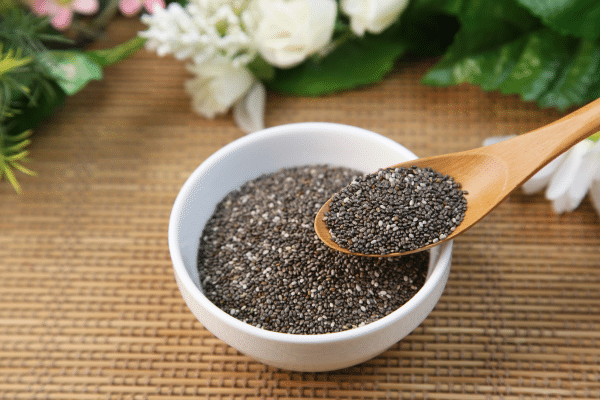
Once a staple in the ancient Aztec diet, chia seeds have been rediscovered as a modern-day nutritional powerhouse. Tiny but mighty, these seeds are packed with a rich blend of fiber, protein, and Omega-3 fatty acids. This combination is particularly beneficial for those seeking to maintain a feeling of fullness, making it easier to manage weight. Additionally, the Omega-3s found in chia seeds can offer a protective shield for the heart, helping to keep inflammation at bay and potentially reduce the risk of chronic diseases.
Another remarkable feature of chia seeds is their ability to absorb liquid, expanding to create a gel-like consistency. This property has made them a popular choice in creating puddings or thickening beverages. Moreover, their neutral taste makes them a versatile addition to any dish, from smoothies to baked goods, making it convenient to incorporate these nutritional gems into daily meals.
Broccoli

Hailing from the cruciferous vegetable family, broccoli is often recognized for its distinct tree-like appearance. However, its true value lies in the dense concentration of vitamins and minerals it houses. Particularly rich in vitamins C and K, it plays an essential role in collagen formation, ensuring skin remains youthful and vibrant. Additionally, the high vitamin K content supports bone health, making it crucial for people across all age groups.
What elevates broccoli’s status further in the nutritional realm is the presence of sulforaphane, a potent compound believed to have anti-cancer properties. This compound, along with other antioxidants in broccoli, assists in detoxifying the body and protecting cells from damage. To reap the full benefits of this green wonder, it’s advisable to consume it slightly steamed or sautéed, ensuring the nutrients remain intact.
The Bottom Line
In the vast world of nutrition, certain foods unmistakably stand out, thanks to their unparalleled nutrient profiles. Superfoods like those discussed above don’t just offer sustenance; they actively enhance overall health, making a significant difference in how one feels and functions. By incorporating a variety of these nutrient-dense foods into daily meals, it becomes possible to nurture the body, ward off diseases, and foster well-being. After all, the choices made at the dining table today can pave the way for a healthier tomorrow.