Flexibility is not just a trait admired in gymnasts and dancers; it’s a crucial aspect of overall well-being, affecting everything from athletic performance to daily chores. Flexibility can contribute to better posture, reduced risk of injury, and even relief from chronic pain. Moreover, it enhances the quality of life by enabling a wider range of movements in everyday activities. This article aims to guide you through effective stretches to improve your flexibility, covering a range of techniques suitable for everyone, whether you’re a seasoned athlete or just someone looking to become more agile. From understanding the science behind stretching to mastering specific exercises for different body parts, this article will serve as a comprehensive guide to better flexibility.
Contents
Why Flexibility Matters

Flexibility is often sidelined in the fitness community, overshadowed by the more noticeable gains like strength and endurance. However, lack of flexibility can be a significant risk factor for injuries, particularly muscle strains and ligament sprains. According to a study by the American Orthopedic Society for Sports Medicine, increased flexibility can reduce the risk of certain injuries by as much as 40%.
Daily lifting, bending, or standing for extended periods can strain muscles and joints. Flexibility can alleviate these stress points, making tasks less strenuous. For athletes, flexibility plays a crucial role in enhancing performance. It can lead to better balance, a greater range of motion, and quicker response times, significantly affecting how one performs in any athletic endeavor.
The Science Behind Stretching

When one stretches, several physiological processes take place. The most prominent among them involves muscle fibers and fascia—the connective tissue surrounding muscles. Stretching causes these fibers to elongate, increasing the muscle’s range of motion. Contrary to popular belief, the goal is not to make muscles “longer” but to improve their capacity to expand and contract within their existing length.
Understanding the types of stretching can help optimize the stretching routine for better results. Static stretching is where a pose is held for an extended period, usually 15-60 seconds. Dynamic stretching involves moving parts of your body and gradually increasing the reach or speed of movement. Proprioceptive Neuromuscular Facilitation (PNF) stretching is a more advanced form that involves stretching and contracting the targeted muscle group. Each type has its benefits and drawbacks, and a mix of these can often yield the best results.
Before You Start Stretching

Stretching without a proper warm-up can be counterproductive and even harmful. A good warm-up increases blood flow to the muscles, making them more pliable and responsive to stretching. Ideally, a warm-up should involve 5-10 minutes of light aerobic activity, followed by dynamic stretching.
Before diving into a stretching routine, one must understand one’s physical limitations. Overstretching can lead to muscle strains and even more severe injuries. Tools like yoga mats and resistance bands can be incredibly beneficial for a safer and more effective stretching session. These props can offer both support and resistance, making the stretches more targeted and controlled.
Upper Body Stretches

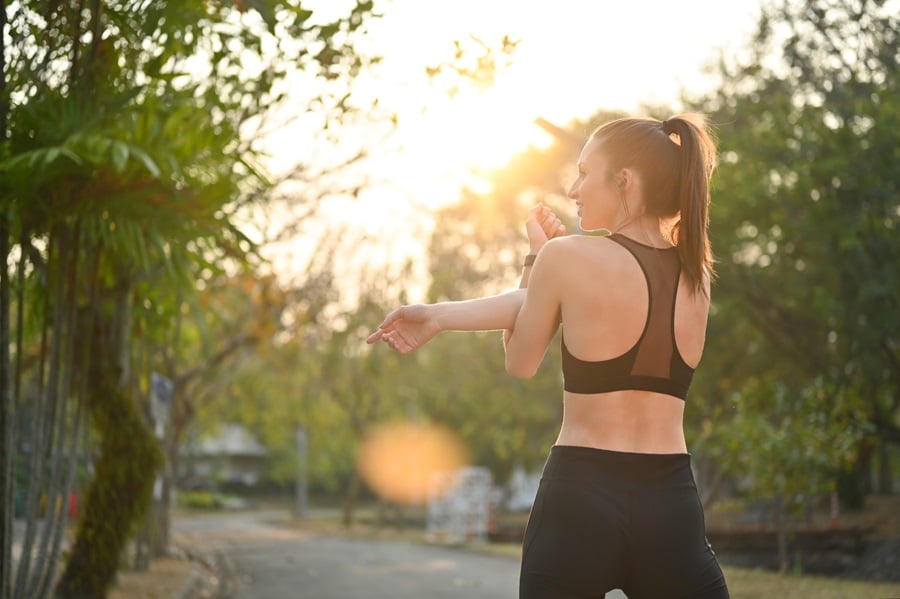
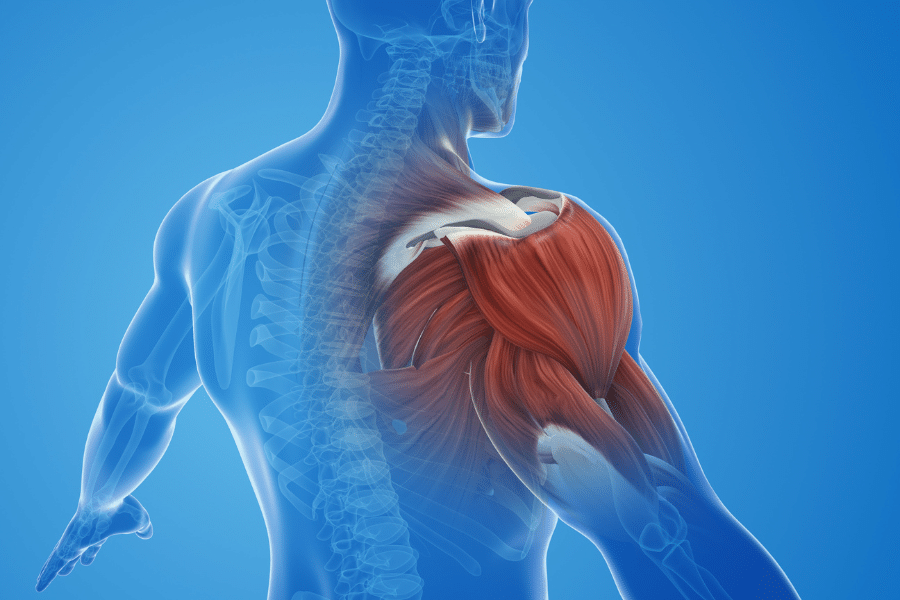
Regarding stretching for flexibility, the upper body often takes a backseat to more prominent muscle groups like the legs and core. However, upper body flexibility is crucial for lifting heavy objects to perform athletic activities like swimming or basketball. One effective stretch for the shoulders is the Crossbody Shoulder Stretch, which involves pulling one arm across the chest while keeping the shoulders down stretching the deltoids and upper trapezius.
Another critical area for upper body stretching is the arms. A Triceps Stretch, for instance, can be done by lifting one arm overhead, bending the elbow, and gently pushing on the bent elbow with the opposite hand. This stretch is crucial for anyone who engages in activities that require arm strength and stability. Not to forget the back, the Cat-Cow Pose from yoga can be an excellent way to stretch and flex the spine, thereby improving the range of motion and reducing stiffness in the upper body.