Contents
Over-the-Counter Pain Relievers

In some instances, muscle pain can be persistent and require more immediate relief. Over-the-counter (OTC) pain relievers, like ibuprofen or acetaminophen, offer a temporary solution for such cases. They work by reducing inflammation and blocking pain signals, providing respite from discomfort. For those who’ve recently intensified their workouts or are dealing with acute muscle pain, these OTC solutions can be invaluable.
However, caution is essential when considering these medications. Over-reliance or extended use can lead to adverse effects, including stomach problems or liver damage. Moreover, it’s crucial to follow the recommended dosages and be aware of any potential interactions with other medications. As always, consulting with a healthcare professional before starting or changing any medication regimen is recommended.
Staying Hydrated

Water plays an indispensable role in muscle health and function. Muscles, like other tissues, require adequate hydration to perform optimally. Dehydration can lead to muscle cramps, decreased strength, and prolonged recovery times. Ensuring a regular intake of water, especially before, during, and after exercise, can prevent these issues and promote efficient muscle function.
Signs of dehydration include dark yellow urine, dizziness, dry mouth, and fatigue. To support muscle health and overall well-being, it’s crucial to pay attention to these signs and prioritize hydration. While the exact amount of water one should consume can vary based on numerous factors, a general guideline is to drink at least eight 8-ounce glasses of water daily, with increased intake during physical activity.
Massage Therapy
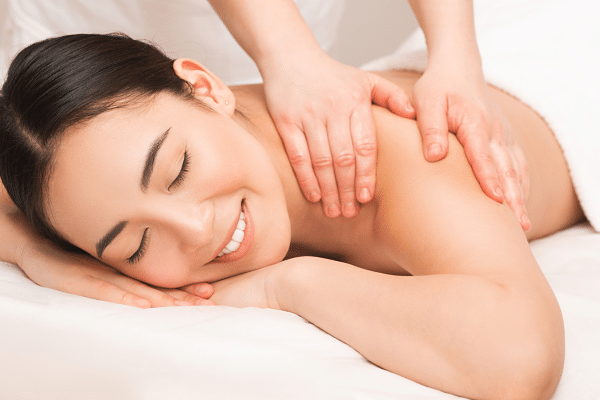
Massage therapy has been recognized for centuries as a method to relieve muscle tension and promote relaxation. Various techniques, from deep tissue to Swedish massage, target different muscle issues. For instance, deep tissue massage focuses on the deeper layers of muscle and connective tissue, making it particularly beneficial for those with chronic muscle pain or stiffness.
Regular massage sessions not only offer immediate relief but also promote better blood flow and flexibility in the long run. However, it’s essential to seek a certified massage therapist to ensure that the techniques used are both safe and effective. Whether opting for a massage post-workout or as a regular treatment for chronic pain, the benefits on muscle health are significant.
Rest and Recovery

After all the proactive measures to promote muscle health, the body’s natural repair processes still hold immense value. Sleep and rest are crucial periods where the body gets to repair damaged muscle fibers, reduce inflammation, and rejuvenate. Overworking muscles without allowing them adequate recovery time can lead to increased pain, fatigue, and even injury.
Balancing periods of physical activity with sufficient rest ensures that muscles remain healthy and resilient. Especially after intensive workouts or activities that are new to one’s routine, it’s essential to allow the body the time it needs to heal. This balance is the cornerstone of maintaining long-term muscle health and preventing pain.
The Bottom Line
Navigating the realm of muscle pain can be daunting, but with the right tools and knowledge, relief is attainable. From the external benefits of foam rolling and massage to the internal support from proper hydration and nutrition, each strategy plays a pivotal role. By integrating these proven methods into daily routines and listening to the body’s signals, it’s possible to not only alleviate existing pain but also prevent future discomfort. It’s a journey towards a pain-free, healthier life.