Muscle pain is an almost universal experience, touching lives across every age, profession, and lifestyle. Whether the result of an intense workout, a long day at the desk, or even the natural progression of aging, these aches can range from mildly annoying to severely debilitating. However, the good news is there’s no need to accept this discomfort as an inevitable part of life. This post introduces seven proven methods, grounded in science and expert advice, to help relieve and even prevent muscle pain. With the right approach, relief is within reach.
Foam Rolling

Foam rolling, often termed self-myofascial release, is a technique where individuals use a cylindrical foam tool to apply pressure to sore and tight muscle areas. This process aids in breaking down knots, increasing blood flow, and relieving tension. Regular foam rolling sessions can drastically improve flexibility, function, and, most importantly, reduce muscle soreness. It’s no wonder that many athletes and fitness enthusiasts have incorporated this practice into their post-workout routines.
Yet, it’s not just for the sports-minded. Even those who find their muscle pain comes from prolonged sitting or standing can benefit from foam rolling. It’s a cost-effective and straightforward tool that can make a significant difference in muscle health. With various foam roller types available, from smooth to ridged, there’s an option tailored to everyone’s pain relief needs.
Proper Nutrition
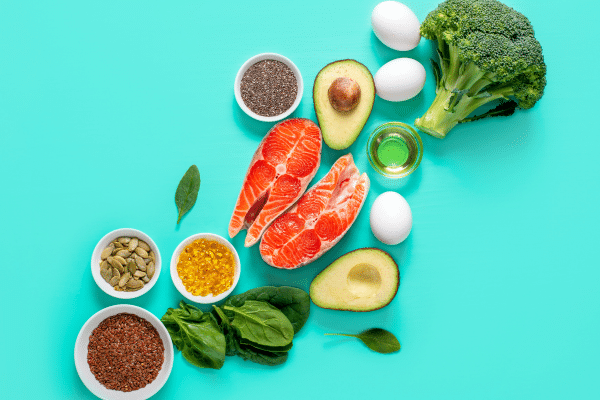
Muscle health isn’t solely about the external treatments and exercises; it’s also intrinsically linked to what one consumes. Specific nutrients play a pivotal role in muscle repair, growth, and overall function. For instance, protein aids in muscle repair, omega-3 fatty acids reduce inflammation, and magnesium can help to alleviate muscle cramps and spasms. Incorporating these nutrients into a balanced diet can expedite recovery and reduce the onset of muscle pain.
However, it’s equally crucial to be wary of foods that can exacerbate muscle pain. Inflammatory foods, rich in sugars and trans fats, for example, can intensify inflammation, slowing the body’s natural healing process. By choosing whole, anti-inflammatory foods like berries, fatty fish, and green leafy vegetables, one creates a diet that supports muscle health, expediting relief from pain and discomfort.
Stretching

Incorporating a consistent stretching routine is vital for muscle health and overall body flexibility. Stretching not only improves the range of motion but also aids in the circulation of blood, ensuring that muscles receive essential nutrients. Whether it’s a focused yoga session or a few minutes dedicated post-workout, stretching can significantly reduce muscle tightness and alleviate pain. The key is to be gentle and attentive, ensuring stretches are held long enough to be effective but not so long as to cause injury.
Different types of stretching serve unique purposes. Dynamic stretching, often integrated into warm-ups, involves moving through a range of motion repetitively and can prepare muscles for activity. On the other hand, static stretching is done post-activity, where one holds a stretch for a longer period. This type relaxes the muscles, helping to reduce post-exercise soreness and improve flexibility over time.
Hot and Cold Therapy
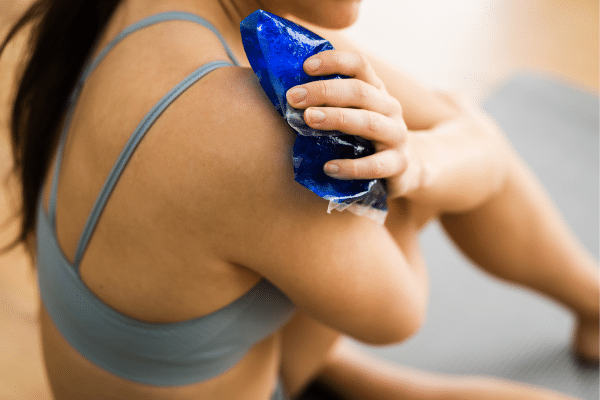
Harnessing the power of temperature can be a potent tool in the battle against muscle pain. Heat therapy, whether through warm baths, heating pads, or hot packs, works wonders for chronic muscle pain or stiffness. It increases blood flow, relaxes muscles, and can soothe discomfort. For those who’ve ever sunk into a hot bath after a long day and felt the tension melt away, this therapeutic effect of heat on muscles is unmistakable.
Conversely, cold therapy, often involving ice packs or cold compresses, is a first-line defense against acute injuries like sprains or post-workout soreness. The cold helps to reduce inflammation and numb the affected area, offering immediate relief. However, it’s essential always to have a barrier, like a cloth, between the skin and the ice source to prevent cold burns. Alternating between hot and cold therapy can sometimes offer comprehensive relief, ensuring muscles benefit from increased blood flow and reduced inflammation.