Contents
Heat And Cold Therapy

The application of heat and cold can offer immediate, albeit temporary, relief from sciatic leg pain. Heat therapy can relax tense muscles and improve blood flow, while cold therapy can reduce inflammation and numb the affected area. Both methods have their own set of benefits and can be effective when used correctly.
However, knowing when to apply heat or cold is crucial. Generally, cold therapy is recommended for acute pain or new flare-ups, while heat is more beneficial for relaxing tense muscles and improving circulation. Always use a barrier, like a cloth, between the heat or cold source and your skin to prevent burns or frostbite.
Alternative Therapies
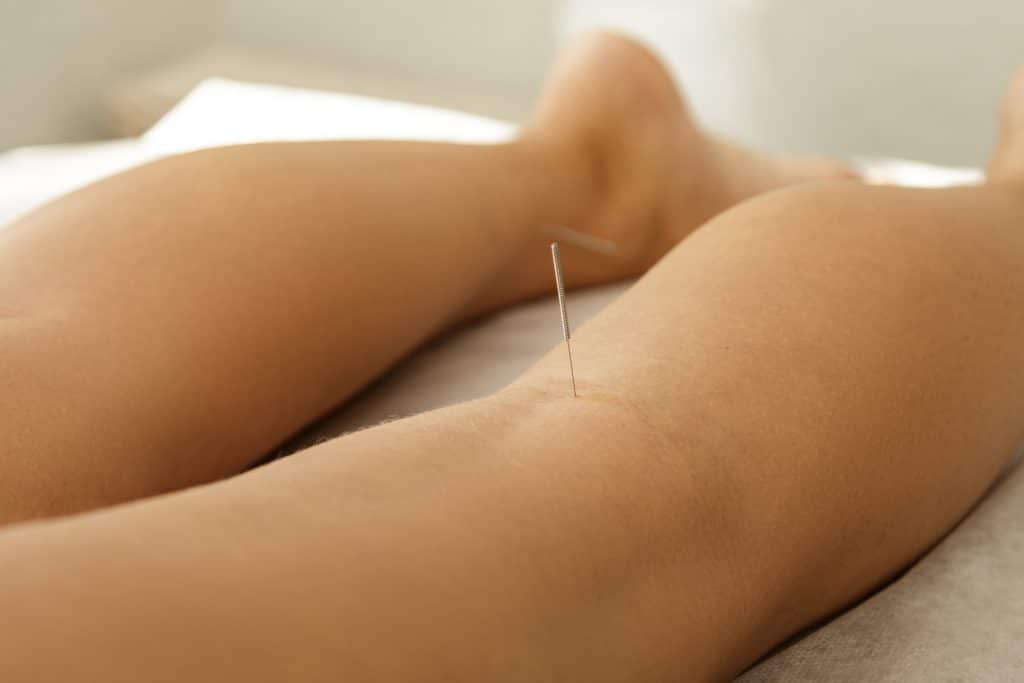
When traditional methods don’t provide the relief you’re seeking, alternative therapies like acupuncture and chiropractic care can be considered. Acupuncture involves inserting thin needles into specific points on the body, aiming to balance your energy flow and alleviate pain. Some people have found significant relief from sciatic leg pain through regular acupuncture sessions.
On the other hand, chiropractic care focuses on spinal adjustments to improve function and alleviate pain. Herbal remedies like turmeric and devil’s claw have also been used to manage sciatic symptoms. While the scientific evidence supporting these alternative therapies varies, they can be a valuable part of a comprehensive pain management strategy when used in conjunction with conventional treatments.
Mindfulness And Pain Management

The mental aspect of dealing with chronic pain like sciatica is often overlooked, but it’s an essential component of a comprehensive treatment plan. Mindfulness techniques such as deep breathing and guided imagery can help you become aware of your thoughts, feelings, and bodily sensations. This heightened awareness can make it easier to manage your pain and reduce stress, which is often a contributing factor to muscle tension and pain.
Incorporating mindfulness into your daily routine doesn’t require a significant time commitment or specialized training. Simple practices like taking a few minutes each day to focus on your breath or using guided imagery to visualize a less painful state can be effective. While mindfulness is not a substitute for medical treatment, it can be a valuable addition to your pain management toolkit.
Surgical Options

Surgery is generally considered a last resort for treating sciatic leg pain, usually recommended only when all other options have failed to provide relief or when the condition is worsening rapidly. Microdiscectomy and lumbar laminectomy are two common surgical procedures that aim to relieve pressure on the sciatic nerve.
The decision to undergo surgery should not be taken lightly. It comes with its own set of risks and benefits, and the recovery process can be lengthy. However, for some, surgery may offer the best chance for a long-term solution to debilitating sciatic leg pain.
Get Started On The Road To Relief!
You don’t have to let sciatic leg pain control your life. From physical therapy and medication to lifestyle changes and alternative therapies, there are numerous paths to relief. While consulting healthcare providers for a tailored treatment plan is essential, taking proactive steps can make a significant difference in your comfort and quality of life. Here’s to your journey toward a more pain-free existence!