Sleep studies, known as polysomnography, are often used to diagnose sleep disorders. These tests monitor brain waves, heart rate, breathing patterns, and body movements during sleep. They can provide detailed information about a person’s sleep cycles and stages, helping to identify abnormalities or disturbances that might contribute to poor sleep quality. The results of these tests can then guide treatment strategies for managing sleep disorders.
Solutions for Sleep Disorders – Part I
Cognitive Behavioral Therapy for Insomnia (CBT-I) is a well-established and effective treatment for chronic insomnia. CBT-I helps individuals change thought patterns and behaviors that interfere with sleep. It involves techniques such as stimulus control, sleep restriction, cognitive restructuring, relaxation techniques, and education about sleep and healthy sleep habits. The goal is to break the cycle of factors that maintain insomnia, including dysfunctional beliefs and attitudes about sleep, worry, and other cognitive processes.
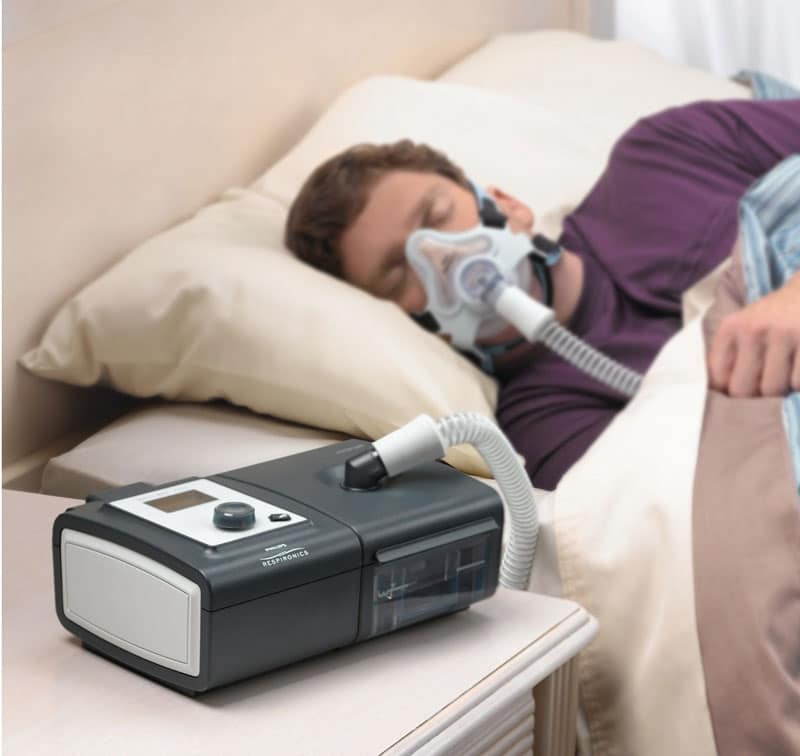
Continuous Positive Airway Pressure (CPAP) is a common and highly effective treatment for sleep apnea. This device provides a steady stream of air through a mask worn during sleep, which helps keep the airways open and promotes regular breathing. It can dramatically improve sleep quality for individuals with sleep apnea, alleviating symptoms like daytime fatigue and snoring and reducing the risk of complications related to sleep apnea, such as cardiovascular disease.
Solutions for Sleep Disorders – Part II

In the case of Restless Legs Syndrome, lifestyle changes are often the first line of treatment. Regular physical activity, maintaining a regular sleep schedule, and avoiding caffeine, alcohol, and nicotine can all help reduce the symptoms of RLS. Some individuals may also benefit from massage or relaxation techniques. Medications may be used in more severe cases or when lifestyle changes do not provide adequate relief.
When it comes to narcolepsy, medications are typically a key component of treatment. Stimulants can help manage excessive daytime sleepiness, while other types of medication can help regulate sleep cycles or manage symptoms like cataplexy. Behavioral strategies, such as maintaining a regular sleep schedule and scheduling short naps throughout the day, can also benefit individuals with narcolepsy.
The Role of Healthy Sleep Habits
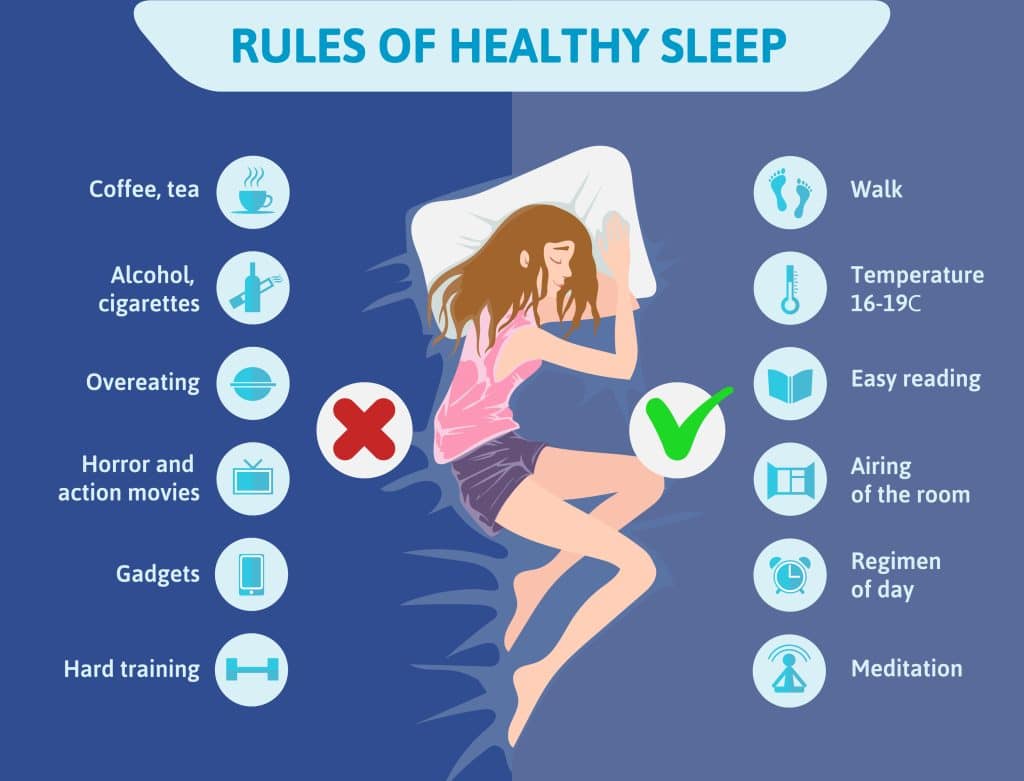
Maintaining healthy sleep habits is essential to managing sleep disorders and promoting good sleep health in general. Regular sleep schedules, which involve going to bed and waking up at the same time every day, can help regulate the body’s internal clock and improve sleep quality. Other beneficial sleep habits include creating a comfortable sleep environment, avoiding large meals, caffeine, and alcohol close to bedtime, and establishing a relaxing pre-sleep routine.
Diet and exercise also play a crucial role in promoting sleep. Regular physical activity can help reduce symptoms of insomnia and sleep apnea, while a balanced diet can contribute to better sleep quality. For instance, foods high in fiber and low in sugar can help prevent wakefulness at night, while certain foods contain natural compounds promoting sleep.
The Role of Technology in Managing Sleep Disorders
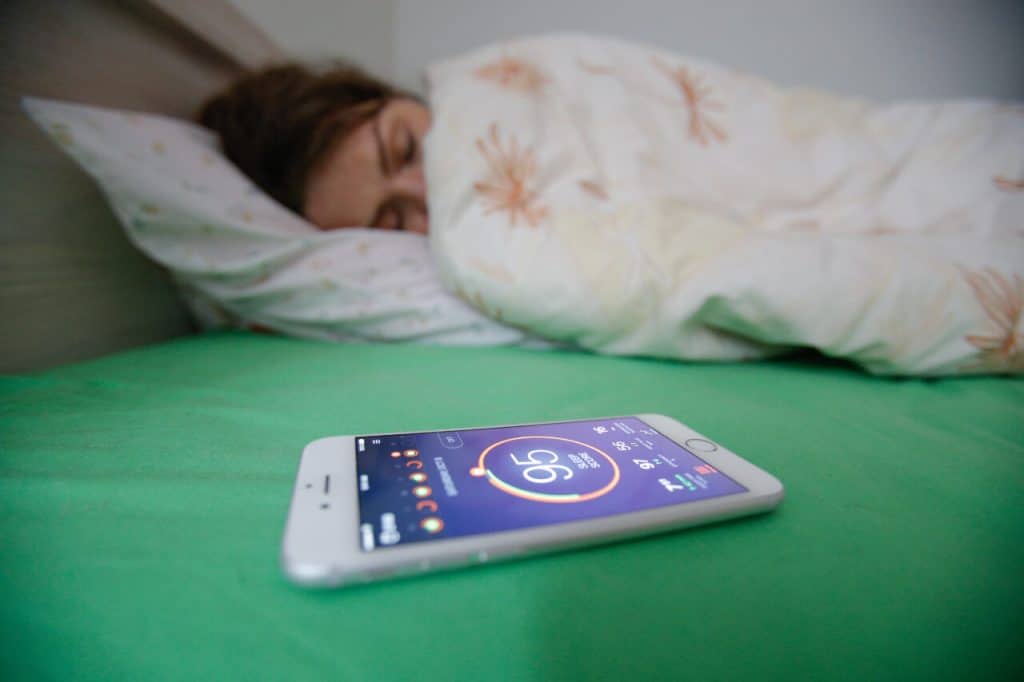
With the rise of technology, digital tools have become increasingly prominent in managing sleep disorders. Sleep tracking technology, such as wearable devices and smartphone apps, can help individuals monitor their sleep patterns, providing valuable information that can aid in diagnosis and treatment. These devices can track various aspects of sleep, such as duration, quality, and sleep stages, and some even provide personalized tips for improving sleep.
Technology can also be a valuable tool in treatment. For instance, many apps offer guided sleep meditation or relaxation exercises to help people fall asleep. Others provide cognitive behavioral therapy for insomnia (CBT-I) digitally, making this form of therapy more accessible to a broader population. While these tools should not replace professional medical advice, they can be useful adjuncts to traditional treatment methods.
The Future of Sleep Disorder Research

Current research into sleep disorders continues to shed light on these complex conditions and the potential for novel treatments. For example, researchers are investigating the genetic factors involved in sleep disorders, which could lead to more personalized treatment approaches. There’s also ongoing research into new medications and devices that could help individuals with sleep disorders achieve better sleep.
Looking toward the future, advances in technology, neuroscience, and genetics hold significant promise for sleep research. Emerging fields such as neuroimaging and genomics could potentially revolutionize our understanding of sleep and sleep disorders, paving the way for innovative treatment approaches. As we continue to learn more about the complexities of sleep, we are likely to see more sophisticated and effective solutions for managing sleep disorders.
Final Reflections and Encouragements
Sleep disorders represent a significant health concern impacting countless individuals globally. From insomnia to sleep apnea, Restless Legs Syndrome to narcolepsy, these conditions disrupt sleep and pose substantial physical and mental health risks. Yet, understanding these disorders, from their underlying mechanisms to their appropriate management strategies, is key to alleviating their burden. Cognitive Behavioral Therapy, lifestyle modifications, medications, sleep hygiene, and even technology all have roles to play in managing these disorders. As research progresses, our grasp of sleep disorders continues to expand, promising innovative treatments on the horizon. No one should have to suffer from the repercussions of poor sleep. There’s always help available, and there’s always hope.