Sleep, often undervalued, is a cornerstone of overall health and well-being. During this period of daily repose, our bodies rest, repair, and rejuvenate. Yet, millions worldwide struggle with various sleep disorders, impacting their quality of life and health in profound ways. This article delves into the complexities of sleep, the nature of sleep disorders, their impact, and the potential solutions available.
Understanding Sleep

Sleep is more than just a period of rest. It is a complex biological process involving several stages, each with specific physiological and psychological functions. These stages cycle several times through the night, starting with light sleep, progressing to deep sleep, and finally entering the Rapid Eye Movement (REM) stage, associated with dreaming. Each stage is vital for different aspects of cognitive function, memory consolidation, and physical restoration. Therefore, the disruption of these stages has significant implications for our health and well-being.
The importance of each sleep stage can’t be overstated. Light sleep, which makes up about half of our sleep time, helps with mental and physical relaxation. Deep sleep aids in physical recovery and aspects of memory and learning, while REM sleep plays a significant role in mood regulation and memory consolidation. A healthy sleep cycle ensures we progress through these stages several times a night, offering a complete and restorative sleep experience.
What Are Sleep Disorders?

Sleep disorders are a group of conditions that impair the ability to sleep well regularly. They are significant health concerns due to their prevalence and potential adverse effects on physical, mental, and emotional health. While some sleep disorders might cause trouble falling asleep, others might involve unwarranted sleepiness during the day, irregular breathing patterns during sleep, or unnatural movements while sleeping.
Common types of sleep disorders include insomnia, sleep apnea, Restless Legs Syndrome (RLS), and narcolepsy, among others. Each of these disorders presents uniquely, affecting the quality and quantity of sleep in different ways. Understanding these different disorders is crucial in order to identify appropriate treatment strategies and restore healthy sleep patterns.
Types of Sleep Disorders – Part I
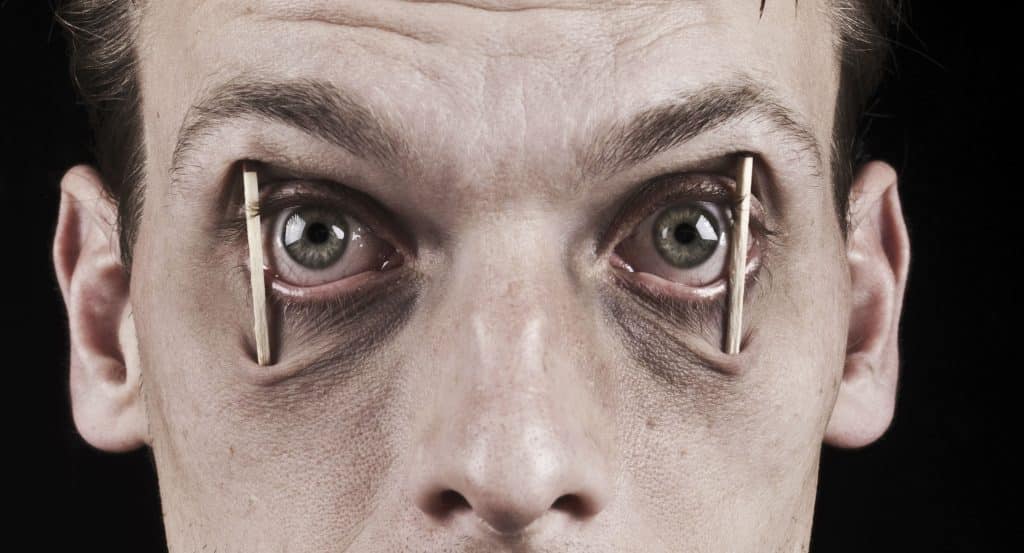
Insomnia, one of the most common sleep disorders, is characterized by consistent difficulty falling asleep, staying asleep, or experiencing restorative sleep. Individuals with insomnia often wake up feeling unrefreshed, affecting their ability to function during the day. The causes of insomnia are numerous and can be linked to various factors such as stress, anxiety, depression, certain medical conditions, medications, and poor sleep habits.
Sleep apnea is a potentially serious sleep disorder in which breathing repeatedly stops and starts. It can be characterized by snoring loudly and feeling tired even after a full night’s sleep. Sleep apnea is often associated with obesity but can also be related to other factors such as age, family history, alcohol and sedative use, and smoking. This disorder can lead to health complications if left untreated, underscoring the need for early diagnosis and appropriate management.
Types of Sleep Disorders – Part II

Restless Legs Syndrome (RLS) is a neurological sleep disorder characterized by uncomfortable sensations in the legs and an irresistible urge to move them, typically occurring in the evenings or nights while resting. These symptoms can make it extremely difficult to fall asleep or stay asleep. The exact cause of RLS is often unclear, although it may be related to genetic factors, pregnancy, iron deficiency, or chronic diseases like kidney failure, diabetes, and peripheral neuropathy.
Narcolepsy is a chronic neurological disorder that affects the brain’s ability to control sleep-wake cycles. People with narcolepsy often experience periods of excessive daytime sleepiness and sudden, uncontrollable episodes of falling asleep at any time. While the exact cause is unknown, it is believed to involve genetic factors and abnormal signaling in the brain. Sometimes, narcolepsy can be associated with sudden loss of muscle tone (cataplexy), often triggered by strong emotions.
Consequences of Sleep Disorders
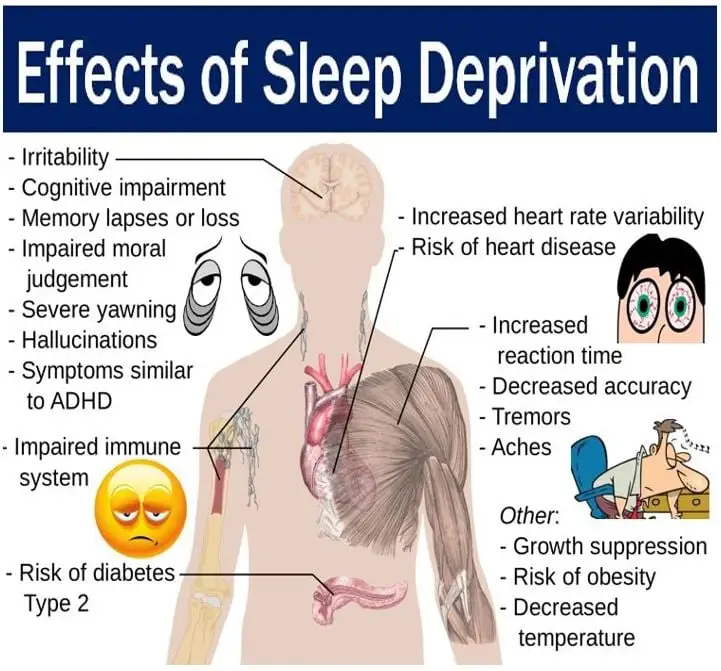
The physical health risks associated with sleep disorders are numerous and varied, extending far beyond mere fatigue. For instance, untreated sleep apnea can lead to high blood pressure, heart disease, stroke, and diabetes. Chronic insomnia can contribute to a weakened immune system, increased risk of chronic conditions, and a higher chance of accidents. Similarly, conditions like Restless Legs Syndrome and narcolepsy can significantly impair a person’s quality of life, decreasing overall health and well-being.
In addition to physical health risks, sleep disorders also pose significant mental health risks. They can lead to anxiety, depression, irritability, and other mood disorders. Difficulty in concentration, memory loss, reduced cognitive functioning, and even hallucinations can occur in severe cases. Moreover, the constant struggle with sleep can create a vicious cycle of stress and anxiety, further exacerbating the sleep problem and creating a chronic issue that can be difficult to resolve.
Diagnosis of Sleep Disorders
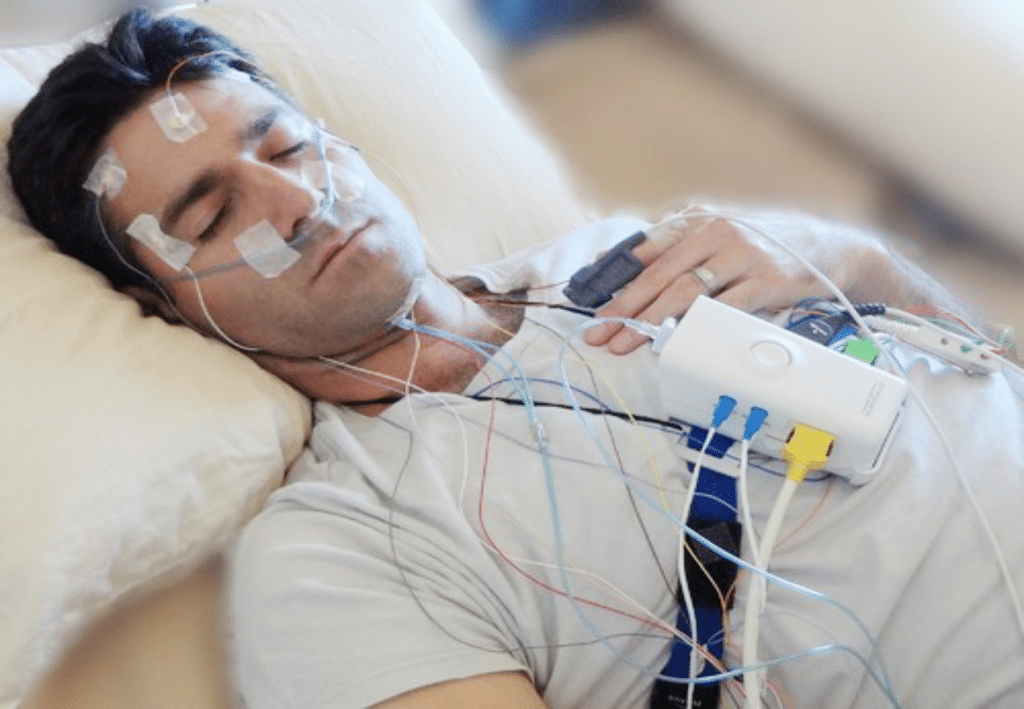
Sleep disorders are often diagnosed based on medical history, physical exams, and sleep patterns. Doctors may ask about sleep habits, daily routines, lifestyle, and the impact of sleep issues on daily functioning. A physical examination may be done to check for underlying conditions that could be causing sleep problems. In some cases, further tests may be recommended, such as blood tests or imaging scans.