Contents
Bloating Vs. Weight Gain: The Symptoms

Bloating and weight gain may seem similar, but there are distinct symptoms that set them apart. Bloating is characterized by a feeling of fullness or tightness in the abdomen, which might be accompanied by visible swelling or distention. It may also cause discomfort or even pain, and these symptoms usually disappear after some time or a bowel movement.
Weight gain, on the other hand, is typically marked by a gradual increase in body size or weight, often over weeks or months. Clothes may feel tighter, or there might be an increase in body measurements. Unlike bloating, these changes are not temporary and do not subside with time unless proactive steps are taken. Understanding these distinctions can help dispel many misconceptions around bloating and weight gain.
Misconceptions About Bloating And Weight Gain
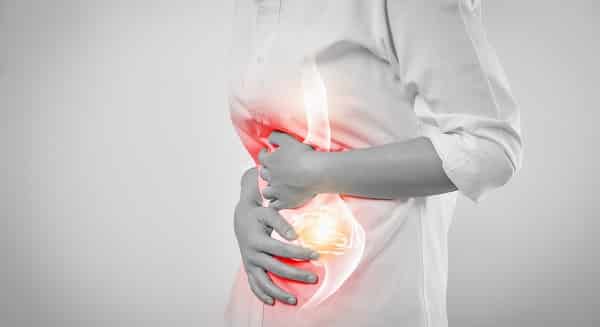
There are several misconceptions about bloating and weight gain, the most common one being that bloating is a sign of significant weight gain. However, as previously discussed, bloating is typically temporary and caused by gas or other digestive issues, not an increase in body fat. Another common myth is that daily weight fluctuations are a sign of weight gain, but these can simply be due to water retention or food intake, not actual fat gain.
Weight gain is usually a slower process, influenced by consistent lifestyle habits over time. Bloating and day-to-day weight changes should not be mistaken for weight gain. However, knowing how to accurately differentiate between the two is essential, which you’ll learn about in the next section.
How To Differentiate Bloating From Weight Gain

Differentiating bloating from weight gain requires a bit of vigilance and understanding of your body. Bloating is often temporary and might be linked to specific triggers like certain foods or eating habits. Paying attention to when bloating occurs and what seems to exacerbate it can provide insight into whether it’s bloating or weight gain.
On the other hand, weight gain is typically a longer-term change. Tracking changes in body measurements, how clothes fit, or changes on the scale over weeks or months can help identify weight gain. However, self-assessment can sometimes be misleading, bringing you to the importance of managing these conditions and seeking professional help.
When To Seek Medical Help

While bloating and weight gain can often be managed with lifestyle changes, it’s important to seek medical attention if symptoms persist or if you experience sudden, unexplained weight gain. Persistent bloating can be a symptom of serious conditions like ovarian cancer or digestive disorders. If you’ve tried to manage bloating through dietary changes and it’s not improving, it would be wise to seek medical advice.
Unexplained or rapid weight gain can also be a sign of various medical conditions like heart failure, kidney disease, or certain hormonal disorders. If you’ve noticed a significant increase in your weight over a short period without a clear reason, it’s crucial to consult a healthcare professional.
Be Aware Of The Differences Between Bloating And Weight Gain
Understanding the differences between bloating and weight gain is a crucial aspect of maintaining good health and well-being. While they may seem similar at first glance, their causes, symptoms, and methods of management are distinct. Bloating is often temporary and related to digestive issues, while weight gain is a more gradual process influenced by lifestyle habits and potentially underlying health conditions. Recognizing these differences can help prevent unnecessary anxiety and ensure appropriate action is taken when needed. Remember, when in doubt, it’s always wise to consult a healthcare professional for accurate diagnosis and advice.