Sugar, often called the “white poison”, has become a ubiquitous component of modern diets. From breakfast cereals to beverages, its presence is almost inescapable. While a small amount is harmless, excessive consumption has been linked to a plethora of health issues, including obesity, type 2 diabetes, and heart diseases. This article aims to shed light on simple strategies to reduce sugar intake, ensuring a healthier lifestyle for its readers.
Understanding Hidden Sugars
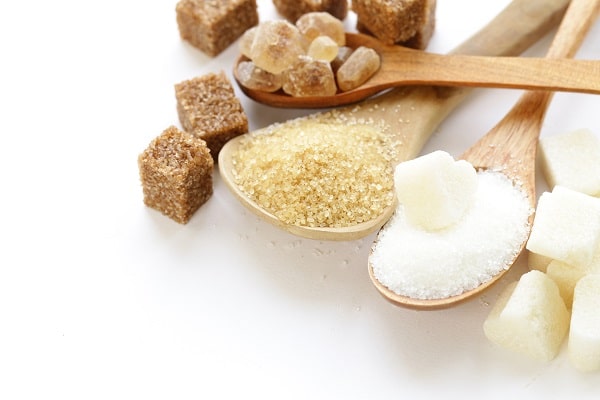
Hidden sugars, as the name suggests, are those sugars that aren’t immediately obvious. They’re not the spoonful one might add to their coffee, but rather the sugars that are sneakily included in everyday products. Processed foods, certain beverages, and even seemingly healthy snacks can be culprits. For instance, a can of soda or a store-bought smoothie can contain multiple teaspoons of sugar.
Reading food labels becomes an essential skill in identifying these hidden sugars. Ingredients such as corn syrup, fructose, and glucose are all aliases that sugar hides behind. By becoming a vigilant label reader, one can start to discern which products are laden with unnecessary sugars and which are not.
Opt For Natural Sweeteners

Refined sugars, which undergo extensive processing, strip away beneficial nutrients and minerals. On the other hand, natural sweeteners, while still a form of sugar, often come with added health benefits. Honey, for instance, not only sweetens but also has anti-inflammatory properties.
Maple syrup, stevia, and agave nectar are other alternatives. When used in moderation, these natural sweeteners can be a healthier choice. However, it’s essential to note that just because they’re natural doesn’t mean they can be consumed in large quantities. The key is moderation and understanding the nutritional content of each.
Rethink Your Drinks
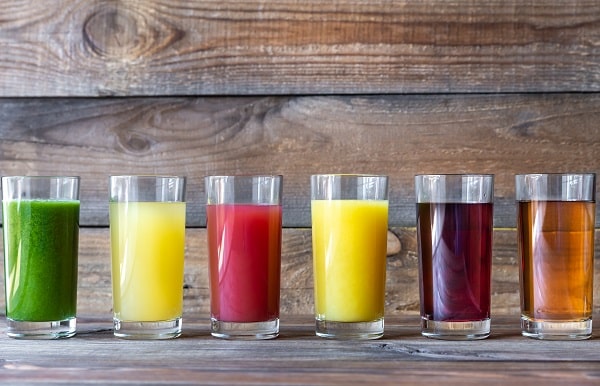
Beverages are one of the primary sources of hidden sugars. A single can of soda can contain up to 10 teaspoons of sugar, far exceeding the daily recommended intake. Fruit juices, though often perceived as healthy, can be just as sugar-laden as sodas when they’re not 100% juice.
The best alternative is plain water, which hydrates without any added sugars or calories. For those who find water too bland, herbal teas or water infused with fresh fruits can be a flavorful yet healthy choice. By making a conscious decision to reduce sugary drinks, one can significantly decrease their daily sugar intake.