The hip, a crucial joint in the human body, plays a pivotal role in our daily activities, from walking and running to sitting and standing. Its mobility can significantly impact our overall health, athletic performance, and quality of life. As we delve into the intricacies of the hip and the exercises that can enhance its mobility, readers will gain a deeper understanding of the importance of maintaining and improving hip flexibility and strength.
Contents
The Anatomy of the Hip

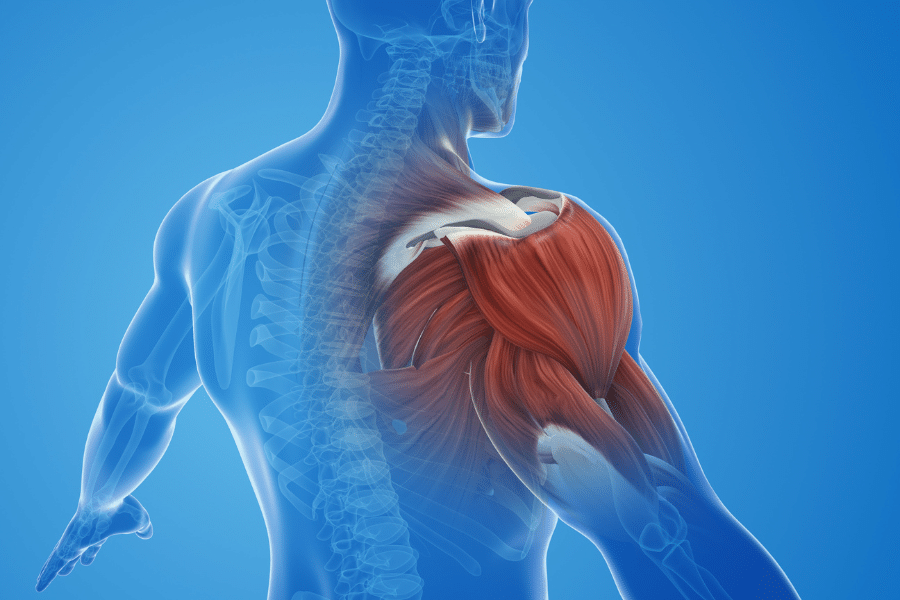
The hip joint, often likened to a ball-and-socket mechanism, is one of the body’s largest joints. It’s where the thigh bone (femur) meets the pelvis. This unique design allows for a wide range of motion, making it essential for various activities. Surrounding the joint are many muscles, including the glutes, hip flexors, and adductors, work in tandem to facilitate movement.
Understanding the anatomy of the hip is not just for medical professionals. A basic grasp of its structure can help individuals tailor their exercises more effectively. By knowing which muscles to target and how the joint functions, one can optimize their workouts to enhance mobility and reduce the risk of injury.
Why Hip Mobility Matters

Hip mobility is more than the ability to move the hip joint in various directions. It’s a reflection of the overall health of the lower body. Reduced hip mobility can lead to lower back pain, a common ailment in today’s sedentary society. The hip’s range of motion can directly influence posture and the spine’s alignment.
Furthermore, athletes and fitness enthusiasts will attest to the significance of hip mobility in performance. From sprinters to weightlifters, the hip’s flexibility and strength can make or break an athlete’s performance. Moreover, maintaining hip mobility becomes crucial as we age in preventing injuries and ensuring an active lifestyle.
Signs of Reduced Hip Mobility

One of the first signs of reduced hip mobility is a noticeable difficulty performing basic movements, such as squatting or lunging. Once taken for granted, these movements may become challenging or even painful. Additionally, discomfort during routine activities, like climbing stairs or getting out of a car, can indicate compromised hip mobility.
Another telltale sign is an altered walking pattern. Some individuals might develop a limp or a shuffle, while others may experience stiffness after sitting for prolonged periods. Recognizing these signs early on can be instrumental in addressing the issue before it exacerbates, making the subsequent recovery process smoother and more effective.
Warm-Up: Preparing the Hips

A proper warm-up is paramount before diving into any exercise, especially those targeting the hips. Warming up increases blood flow to the muscles, preparing them for the activity ahead and significantly reducing the risk of injury. Simple movements, such as leg swings or hip circles, can effectively prepare the hips for more intensive exercises.
The benefits of a warm-up extend beyond injury prevention. It also aids in enhancing the effectiveness of the workout. As the muscles become more pliable and the joints lubricated, exercises can be performed with a greater range of motion. This ensures that the targeted muscles are engaged more effectively, leading to better results in the long run.