Cholesterol, a fatty substance found in the blood, plays an essential role in building cell membranes and hormones. However, elevated levels can pose a significant risk to heart health, leading to diseases such as atherosclerosis, heart attacks, and strokes. Finding effective methods to manage and reduce high cholesterol becomes paramount for many, especially in an era where people seek holistic and natural approaches. This article delves into several natural strategies that can assist in achieving a healthy cholesterol balance, ensuring both vitality and longevity.
Exercise Regularly

Engaging in regular physical activity is an indispensable tool for anyone keen on managing their cholesterol. Cardiovascular exercises, such as walking, jogging, swimming, or cycling, have been proven to elevate HDL, the so-called “good” cholesterol. This increase, in turn, assists in transporting LDL, the “bad” cholesterol, to the liver, where it’s processed and eliminated from the body. Besides its direct impact on cholesterol, exercising boosts overall cardiovascular health and aids in weight management, both crucial for maintaining healthy cholesterol levels. It’s recommended that adults aim for at least 150 minutes of moderate-intensity aerobic exercise weekly.
Regular exercise does more than just sculpt the body. Beyond its visible results, it brings about biochemical changes that foster a healthier internal environment. Elevated heart rates during activities result in improved blood flow, ensuring that essential nutrients reach every cell. As muscles contract and the body sweats, toxins are expelled, making way for better physiological function. Committing to a consistent exercise regimen is akin to investing in a health insurance policy, with dividends paid in the form of a longer, healthier life.
Eat A Heart Healthy Diet
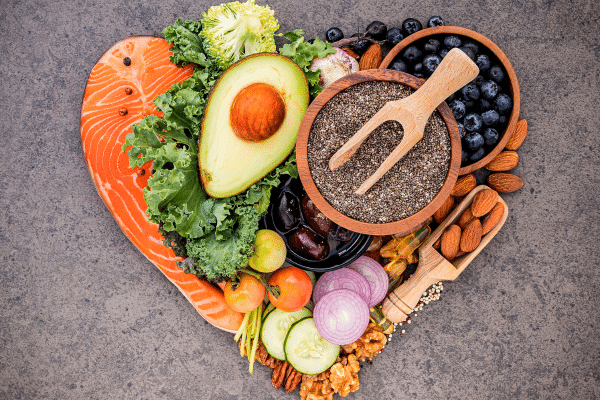
Dietary choices lay the foundation for one’s overall health and, by extension, cholesterol levels. Foods rich in soluble fiber, such as oats, beans, lentils, fruits, and vegetables, aid in reducing the absorption of cholesterol into the bloodstream. Omega-3 fatty acids, found abundantly in fatty fish like salmon, mackerel, and sardines, have been shown to decrease LDL cholesterol, thereby lowering the risk of coronary artery disease. Swapping out saturated fats from meat and dairy with unsaturated fats from olive oil, avocados, and nuts can further help in regulating cholesterol levels.
However, achieving a heart-healthy diet isn’t solely about adding beneficial foods. It’s equally crucial to identify and limit the intake of harmful ones. Processed foods often contain trans fats, an artificial form of unsaturated fat that can elevate LDL cholesterol while decreasing HDL. Sugary items and refined carbohydrates, although tempting, can lead to weight gain, subsequently affecting cholesterol levels adversely. It’s advisable to read food labels diligently and prioritize whole, unprocessed foods to ensure a diet that genuinely supports heart health.
Limit Alcohol

Moderate alcohol consumption might be linked to certain health benefits, especially for heart health. Some studies suggest that controlled intake, particularly of red wine, can elevate HDL cholesterol levels. However, it’s essential to understand what ‘moderate’ means in this context: one drink a day for women and up to two drinks for men. Beyond this limit, alcohol can not only impact cholesterol but also have several other detrimental effects on overall health, including liver disease and high blood pressure.
Too much alcohol doesn’t just risk addiction; it can harm the body’s delicate balance. Excessive drinking can lead to weight gain, a critical factor in cholesterol elevation. Additionally, alcohol is known to interfere with medications, some of which might be prescribed to manage cholesterol levels. Therefore, it’s always advisable to have a clear understanding and be mindful of the amount being consumed. If in doubt, seeking guidance from a healthcare professional can offer clarity.