Contents
Ethiopian Diet

Ethiopian cuisine offers a unique blend of flavors and textures, with a focus on teff, vegetables, and lean meats. Teff, a gluten-free grain rich in minerals and protein, is the primary ingredient in injera, a sourdough flatbread that accompanies most meals. Stews made with lentils, chickpeas, and various meats are often served alongside, providing a balanced and satisfying meal. The Ethiopian diet’s emphasis on communal eating fosters a sense of connection and enjoyment.
The Ethiopian diet’s principles align with modern nutritional guidelines, emphasizing whole grains, lean proteins, and a variety of vegetables. The use of spices such as berbere adds complexity and heat to the dishes, enhancing flavor without relying on excessive fats or sugars. The Ethiopian diet offers a unique culinary experience that can be adapted and enjoyed by those seeking to explore African flavors and healthy eating practices.
Brazilian Diet

Brazilian cuisine is a vibrant fusion of indigenous, African, and European influences, reflecting the country’s diverse cultural heritage. Staples such as beans, rice, tropical fruits, and cassava form the foundation of this diet, providing balanced nutrition and rich flavors. Traditional dishes like feijoada, a black bean stew with pork, showcase the Brazilian approach to comfort food that is both satisfying and nutritious.
The Brazilian diet emphasizes fresh, locally sourced ingredients, aligning with a farm-to-table philosophy. The abundance of tropical fruits provides essential vitamins and antioxidants, while the use of lean meats and legumes ensures adequate protein intake. The Brazilian diet’s focus on whole foods and traditional cooking methods offers a flavorful and wholesome approach to eating that can be embraced by those seeking to explore South American culinary traditions.
Native American Diet
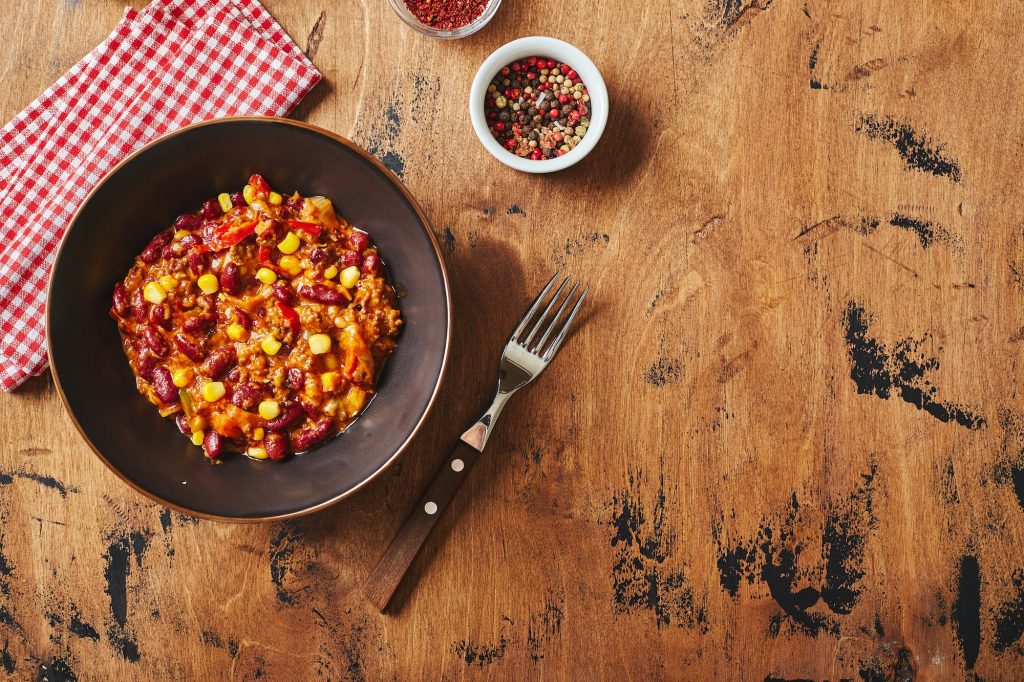
The Native American diet, rooted in the indigenous cultures of North America, emphasizes maize, beans, squash, and wild game. Often referred to as the “Three Sisters,” maize, beans, and squash are grown together, supporting each other’s growth and providing a balanced nutritional profile. Wild game such as bison and venison offers lean protein, while foraged foods like berries and nuts add variety and nutrients.
The Native American diet’s principles reflect a deep connection to the land and a sustainable approach to agriculture and hunting. The focus on seasonal and locally sourced ingredients ensures freshness and aligns with environmental stewardship. The Native American diet offers valuable insights into traditional foodways that honor the earth and promote health, providing inspiration for those seeking to connect with indigenous wisdom and sustainable eating practices.
Personalized Cultural Diets
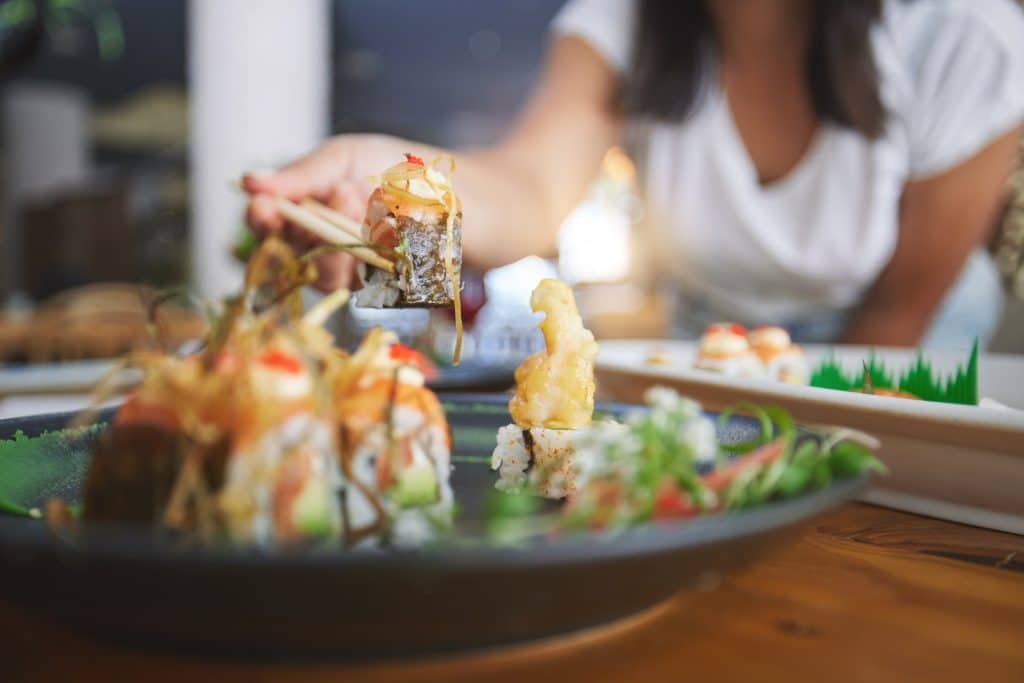
Personalized cultural diets recognize the importance of individual needs, preferences, and heritage in shaping healthy eating habits. By exploring and adapting various cultural diets, individuals can create a personalized approach that resonates with their unique lifestyle and nutritional requirements. This personalized approach encourages mindfulness and intentionality in choosing foods that nourish both body and soul. It allows for a flexible and enjoyable eating experience that honors individuality.
The emphasis on personalized cultural diets reflects a growing awareness of the complexity of nutritional well-being. It recognizes that there is no one-size-fits-all solution and encourages a thoughtful exploration of various culinary traditions. By embracing the richness of global cuisines and adapting them to personal needs, individuals can create a fulfilling and health-promoting dietary practice that reflects their unique identity and values.
Try Embracing These Cultural Diets!
The exploration of cultural diets offers a rich tapestry of flavors, traditions, and nutritional wisdom. From the communal feasts of Ethiopia to the balanced simplicity of Japan, each culture provides unique insights into healthy eating and well-being. Embracing these diverse culinary practices encourages a global perspective on nutrition, recognizing the interconnectedness of food, culture, and health. Whether exploring traditional indigenous diets, creative fusion cuisines, or personalized adaptations, the journey through cultural diets invites a mindful and joyful approach to eating.