Your joints play a pivotal role in your daily life, allowing you to move, bend, and easily perform countless activities. As you age or due to certain lifestyle choices, these crucial connectors can become compromised, leading to discomfort or even debilitating pain. With the rise of joint-related issues in today’s society, it’s essential to understand and take steps to improve your joint health. This article delves into the various ways you can nurture and protect your joints, ensuring a life of mobility and reduced pain.
Contents
Understanding Joint Health
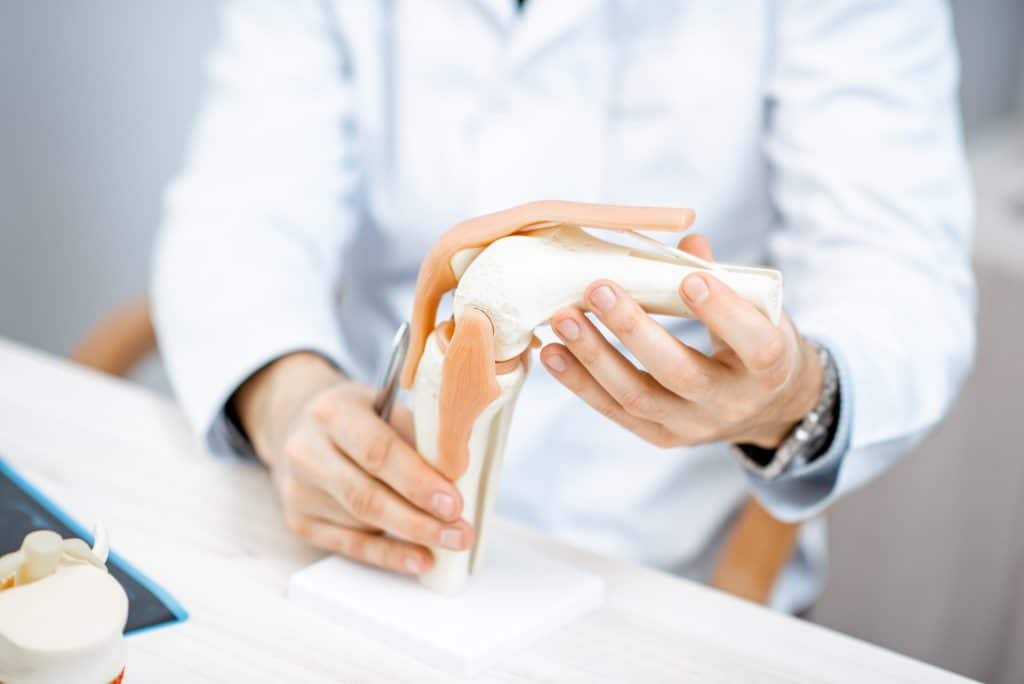
Joints are the connecting tissues between bones, facilitating movement and providing support. They come in various forms, such as ball-and-socket joints like the hip or hinge joints like the elbow. When functioning optimally, joints provide seamless movement without pain. However, factors like age, injury, or disease can compromise their health, leading to conditions like arthritis, bursitis, or tendinitis.
Understanding the intricacies of joint health is the first step toward proactive care. By recognizing early signs of joint issues, such as stiffness, swelling, or persistent pain, one can take timely measures. Addressing these symptoms early can prevent more severe complications and ensure a life of active mobility.
The Role Of Diet In Joint Health

Diet plays a significant role in maintaining joint health. Consuming a balanced diet rich in essential nutrients can prevent inflammation and provide the necessary building blocks for joint repair. Omega-3 fatty acids, found in fish like salmon and mackerel, have anti-inflammatory properties that can alleviate joint pain. Antioxidants, present in fruits like berries and vegetables like spinach, combat free radicals that can damage joints.
Moreover, calcium and vitamin D are vital for bone health, indirectly supporting joint function. Dairy products, fortified foods, and leafy greens are excellent sources of calcium, while sunlight exposure and fatty fish can provide vitamin D. Ensuring a regular intake of these nutrients can fortify joints and reduce the risk of related ailments.
Stay Hydrated

Water is a fundamental component of your body, with hydration playing a crucial role in joint health. The cartilage in your joints, which acts as a cushion and reduces friction, is majorly composed of water. When dehydrated, this cartilage can become less effective, leading to increased joint stress and pain.
To maintain optimal joint function, it’s imperative to stay hydrated. Experts recommend drinking at least eight glasses of water daily, though individual needs may vary based on factors like activity level and climate. Incorporating hydrating foods like cucumbers, watermelon, and oranges can also contribute to overall hydration, ensuring that your joints remain lubricated and function efficiently.
Regular Exercise And Its Benefits

Exercise is another cornerstone of joint health. Engaging in regular physical activity strengthens the muscles surrounding the joints, providing them with better support. This not only enhances joint function but also reduces the risk of injuries. Low-impact exercises, such as swimming, cycling, or walking, are particularly beneficial as they offer the dual advantage of strengthening muscles without exerting excessive pressure on the joints.
Strength training, when done correctly, can also be immensely beneficial. By building muscle mass, one can ensure that joints are adequately supported, reducing the chances of wear and tear. It’s essential, however, to ensure proper form and technique during strength training to avoid undue stress on the joints. Consulting with fitness professionals can provide guidance on exercises tailored to individual needs and capabilities.
Importance Of Maintaining A Healthy Weight

Carrying excess weight can exert undue stress on your joints, especially those in the lower body, like the knees and hips. Every additional pound of body weight translates to nearly four pounds of extra pressure on the knees. Over time, this increased load can accelerate the wear and tear of joint cartilage, leading to conditions like osteoarthritis.
Achieving and maintaining a healthy weight is paramount for joint health. Weight loss, even in small increments, can significantly reduce joint stress. For instance, losing just 10 pounds can alleviate 40 pounds of pressure on the knees. Adopting a balanced diet and regular exercise regimen can aid in weight management, ensuring that your joints remain healthy and functional for years to come.