
Professional Dental Care

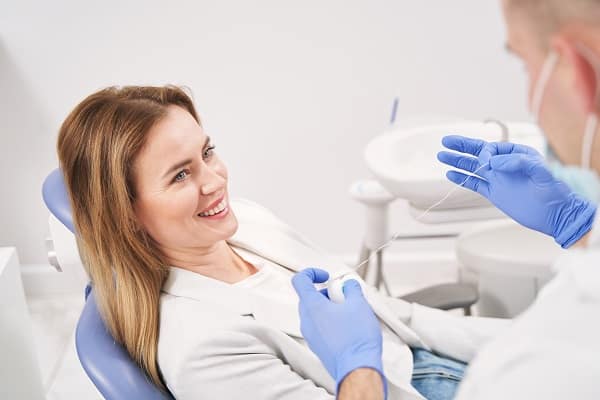
Regular dental check-ups are indispensable. They allow for the early detection of potential issues, ensuring timely intervention. A routine visit typically involves a thorough cleaning, which is more comprehensive than what one can achieve at home. This professional cleaning helps in removing tartar, a hardened form of plaque that brushing alone can’t remove.
Beyond cleaning, dental professionals can provide valuable advice tailored to individual needs. For instance, specific preventive treatments or products might be recommended if one is at a higher risk of dental decay or gum disease. Ignoring or delaying professional care can lead to complications that are painful and expensive to treat.
Nutrition and Oral Health

A balanced diet is a cornerstone of oral health. Foods rich in calcium, like milk and cheese, strengthen the teeth, while crunchy fruits and vegetables, like apples and carrots, can act as natural toothbrushes, scraping off plaque. Drinking plenty of water, especially if it’s fluoridated, can help prevent tooth decay.
Conversely, sugary foods and drinks can promote cavities. Bacteria in the mouth feed on sugars, producing acids that can erode tooth enamel. Acidic foods and drinks can also wear down enamel. Moderation, along with good oral hygiene practices, can mitigate these risks. Vitamins and minerals play a role, too, with vitamin D and calcium being particularly important for healthy teeth.
The Economic Impact of Neglecting Oral Health
Neglecting oral health can have significant economic implications. Preventive care, while having an associated cost, is often more affordable than treating conditions that arise from neglect. For instance, filling a cavity is cheaper than root canal therapy or tooth extraction necessitated by an untreated cavity.
Moreover, oral issues can lead to missed workdays or reduced productivity due to pain or treatment. In the long run, consistent neglect can lead to chronic conditions that are expensive to treat and impact the quality of life.
Oral Health in Children and Seniors

Children and seniors have unique oral health needs. For children, early dental visits are crucial. They help in the early detection of potential issues like cavities. As children grow, orthodontic issues might arise, necessitating braces or other interventions.
On the other hand, seniors face challenges like dry mouth, a side effect of many medications. This condition can increase the risk of cavities. Gum recession, a common issue among the elderly, can expose tooth roots to plaque. Caregivers play a vital role in ensuring seniors maintain good oral hygiene.
The Bottom Line
Oral health is an integral aspect of overall well-being, influencing our physical health, confidence, and quality of life. One can ensure a healthy mouth by understanding its importance, adopting daily care habits, seeking professional care, and making informed dietary choices. As the adage goes, “A smile is a curve that sets everything straight.” Prioritizing oral health ensures that this curve remains radiant and healthy.