

Sauerkraut
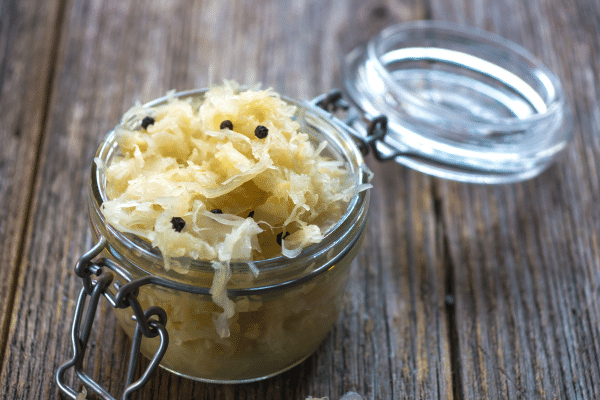
A staple in Central European cuisine, sauerkraut is finely shredded cabbage fermented by a variety of lactic acid bacteria. This simple yet flavorful dish is revered not only for its tangy taste but also for its impressive nutritional profile. Packed with probiotics, fiber, vitamins C and K, and minerals such as iron, sauerkraut offers numerous health benefits, from boosting digestive health to supporting immune function.
Though often associated with dishes like bratwurst or as a topping on Reuben sandwiches, sauerkraut’s culinary versatility shouldn’t be underestimated. It can complement salads, be integrated into casseroles, or even be enjoyed straight out of the jar. When opting for store-bought versions, it’s advisable to choose those stored in the refrigerated section, as they are more likely to retain their probiotic potency.
Kimchi
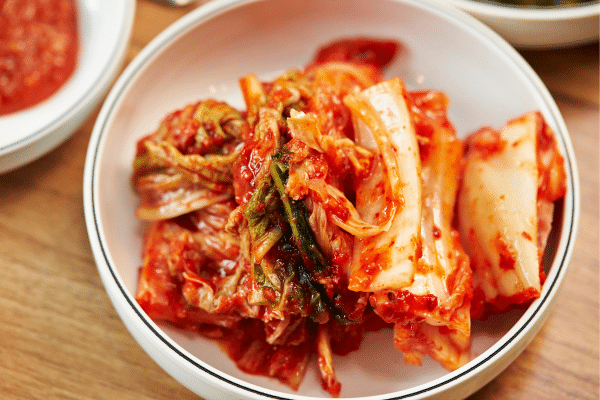
Hailing from Korea, kimchi is a spicy, fermented vegetable preparation, typically using napa cabbage and Korean radishes as the primary ingredients. Seasoned with a medley of spices, including chili pepper flakes, garlic, ginger, and fish sauce, kimchi boasts a unique combination of spicy, tangy, and umami flavors. Aside from its rich taste, kimchi is lauded for its probiotic content, aiding in digestion and promoting gut health.
The health benefits of kimchi extend beyond its probiotic value. The dish is also rich in vitamins A, B, and C, as well as minerals like potassium and magnesium. In Korean cuisine, kimchi is not merely a side dish; it finds its way into stews, pancakes, and even fried rice. As global culinary boundaries blur, chefs and home cooks worldwide are beginning to embrace kimchi’s spicy crunch in diverse recipes.
Miso

A cornerstone of Japanese cuisine, miso is a flavorful paste made from fermented soybeans, often mixed with rice or barley. The fermentation process not only lends miso its rich umami flavor but also populates it with a plethora of beneficial probiotics. These friendly bacteria enhance digestion and contribute to a balanced gut flora, making miso more than just a taste enhancer.
With varying shades, from the light white miso to the deeper and robust red miso, each type brings with it a unique flavor profile. This versatility is well-displayed in Japanese kitchens, where miso becomes the star in soups, marinades, glazes, and dips. As it gains global popularity, chefs from different cultures are finding innovative ways to infuse their dishes with this savory paste, enhancing flavor while boosting health.
Pickles
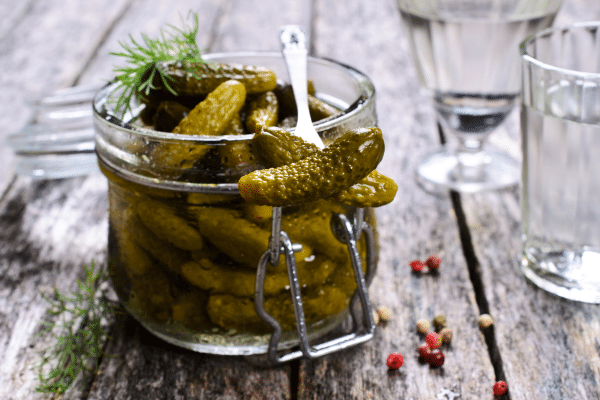
Often crunchy, tangy, and slightly salty, pickles are cucumbers that have undergone a natural fermentation process in a saline solution. This ancient preservation method doesn’t only extend the shelf life of cucumbers but also populates them with beneficial lactic acid bacteria. Consuming these bacteria-loaded pickles can help populate the gut with friendly microbes, aiding in digestion and overall gut health.
However, it’s pivotal to note the distinction between naturally fermented pickles and those pickled using vinegar. While both are delicious, only the naturally fermented ones provide probiotic benefits. When scouring store aisles or market stalls for pickles, seeking out those labeled “fermented” can ensure one reaps the gut-healthy advantages. And for those with a culinary bent, making them at home can be both fun and rewarding.
The Bottom Line
Incorporating probiotic-rich foods into daily diets can be a delicious and natural way to promote gut health. From the tangy kefir of Eastern Europe to the spicy kimchi of Korea, diverse global cuisines offer a myriad of options to nourish the gut with beneficial bacteria. As research continually underscores the paramount importance of gut health in overall well-being, making mindful dietary choices becomes even more crucial. Embracing these fermented foods is not just a nod to rich culinary traditions but also a step towards holistic health.