
Acid reflux, medically termed gastroesophageal reflux disease (GERD), is a condition that affects many worldwide. It’s characterized by a burning sensation in the chest, often after eating, and can be exacerbated by certain foods. However, diet plays a pivotal role not just in triggering but also in alleviating these symptoms. This article delves into five foods that have been shown to help manage and reduce the symptoms of acid reflux, providing relief to those who suffer from this condition.
Understanding Acid Reflux

Acid reflux occurs when stomach acid frequently flows back into the tube connecting the mouth and stomach, irritating. The most common symptom is heartburn, which can also lead to a sour taste in the mouth, difficulty swallowing, and even regurgitation. Obesity, pregnancy, certain medications, and foods can trigger this condition. However, understanding the role of food can be a game-changer in managing its symptoms.
Dietary choices can either exacerbate or alleviate acid reflux symptoms. While spicy foods, caffeine, and alcohol might trigger acid reflux, some foods can help soothe the stomach lining and reduce the burning sensation. Incorporating these foods into one’s diet can significantly affect the frequency and severity of acid reflux episodes.
The Role of Alkaline Foods

The human body functions optimally at a slightly alkaline pH level. When the body’s pH level is imbalanced, leaning towards acidity can lead to various health issues, including acid reflux. Alkaline foods are crucial in maintaining this balance, ensuring the stomach doesn’t produce excessive acid.
Foods that are alkaline can help neutralize stomach acid, providing relief from the burning sensation that characterizes acid reflux. By incorporating more alkaline foods into the diet, one can create an environment in the stomach that is less conducive to the backflow of acid into the esophagus. This reduces the symptoms of acid reflux and promotes overall digestive health.
Oatmeal
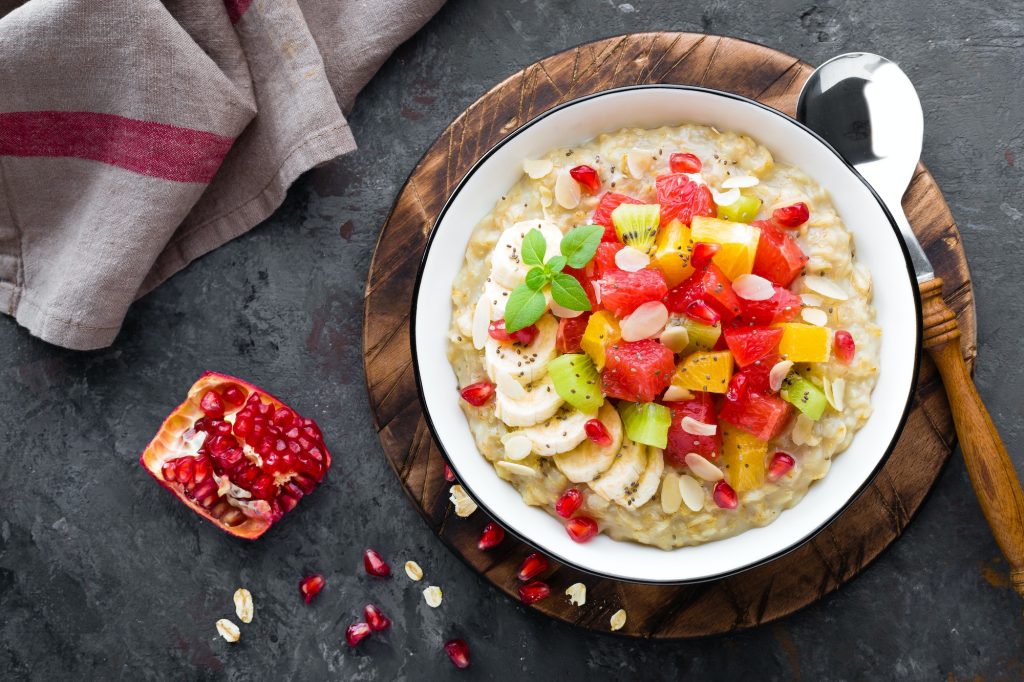
Oatmeal is more than just a hearty breakfast option. Rich in fiber, it aids digestion and helps maintain a healthy weight, both essential for preventing acid reflux. The soluble fiber in oatmeal absorbs excess stomach acid, reducing the chances of it flowing back into the esophagus.
Moreover, oatmeal has a soothing effect on the stomach lining. Its bland nature and creamy texture can help reduce the irritation caused by stomach acid. Starting the day with a bowl of oatmeal can set the tone for a day with reduced acid reflux symptoms. It’s about filling the stomach and providing it with the right nutrients to function optimally.
Ginger
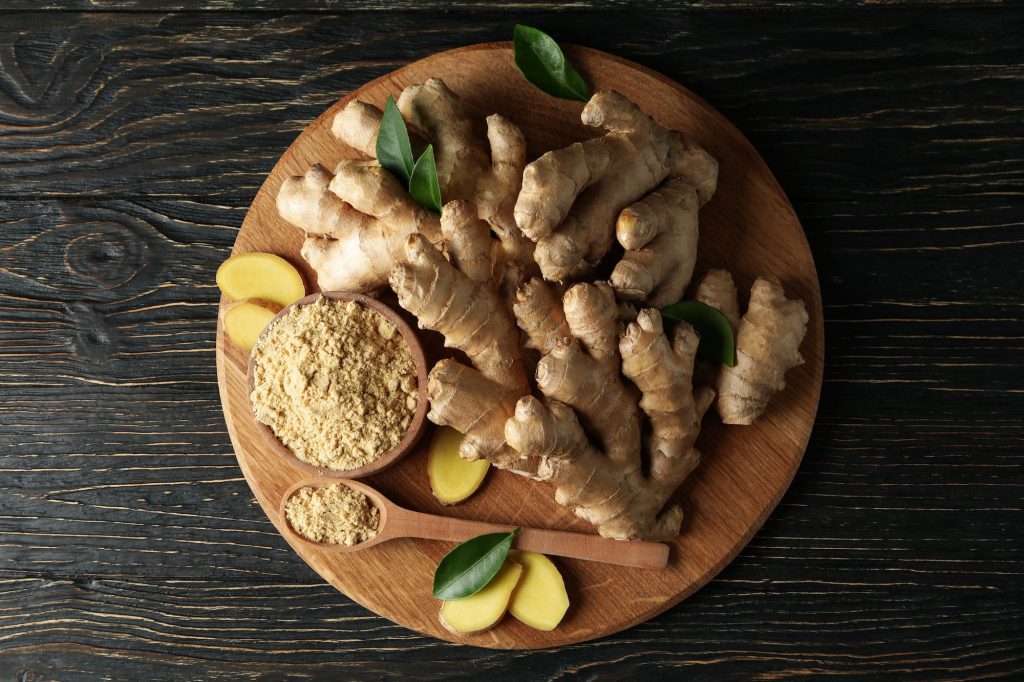
For centuries, ginger has been revered for its medicinal properties. Known for its anti-inflammatory effects, ginger can be a potent ally against acid reflux. Its natural properties help soothe the stomach, reducing the production of stomach acid.
Additionally, ginger is a natural remedy for nausea, a common symptom associated with acid reflux. By incorporating ginger into one’s diet, either as a spice in meals or as a tea, one can harness its benefits to combat the discomfort caused by acid reflux. However, like all foods, moderation is key; excessive ginger can have the opposite effect.