Your feet, the unsung heroes of your anatomy, tirelessly support you, enabling movement and bearing your weight every single day. Yet, their care often falls by the wayside until discomfort or issues arise. This article shines a spotlight on foot health, offering insights from understanding its complex anatomy to practical care tips. Embark on this journey to ensure you keep your feet healthy, and they support you every step of the way.
Contents
The Anatomy Of The Foot
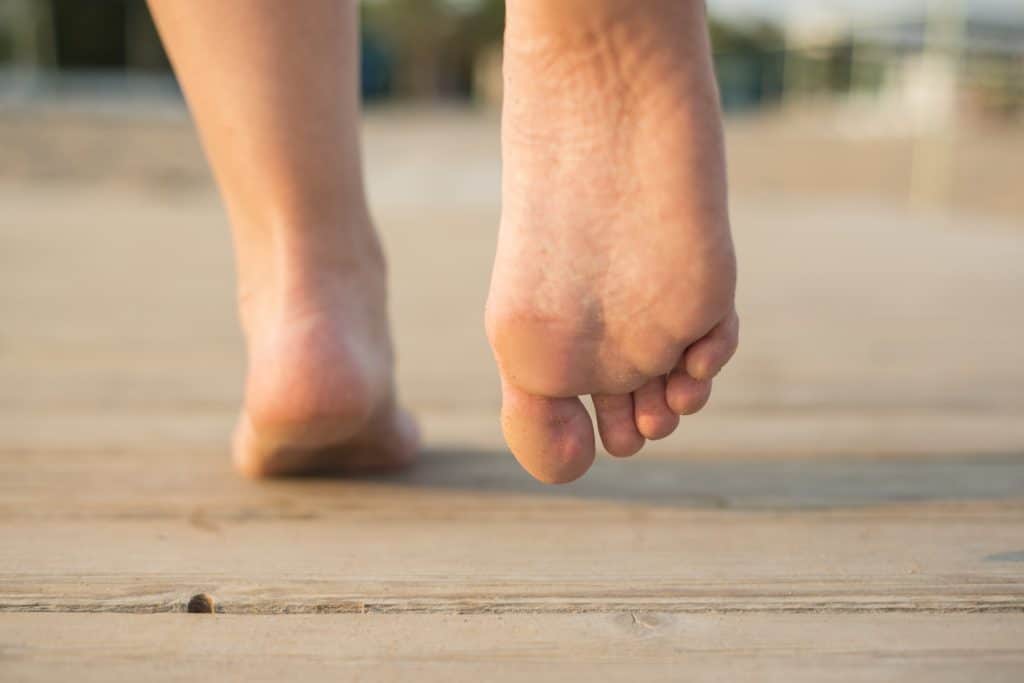
The human foot is a marvel of engineering, comprising 26 bones, 33 joints, and over 100 muscles, tendons, and ligaments. This intricate structure allows for a wide range of movements, from walking and running to dancing and jumping. Understanding the anatomy of the foot is not just for medical professionals; it’s crucial for anyone looking to maintain foot health. With a grasp of its structure, you can better identify potential problems and understand the underlying causes.
Moreover, the foot’s design provides balance, support, and mobility, making it essential in almost every physical activity. However, this complexity also means there’s a lot that can go wrong. By familiarizing yourself with the foot’s anatomy, you can be more proactive in its care, recognizing early signs of issues and taking preventive measures.
Common Foot Problems And Their Causes
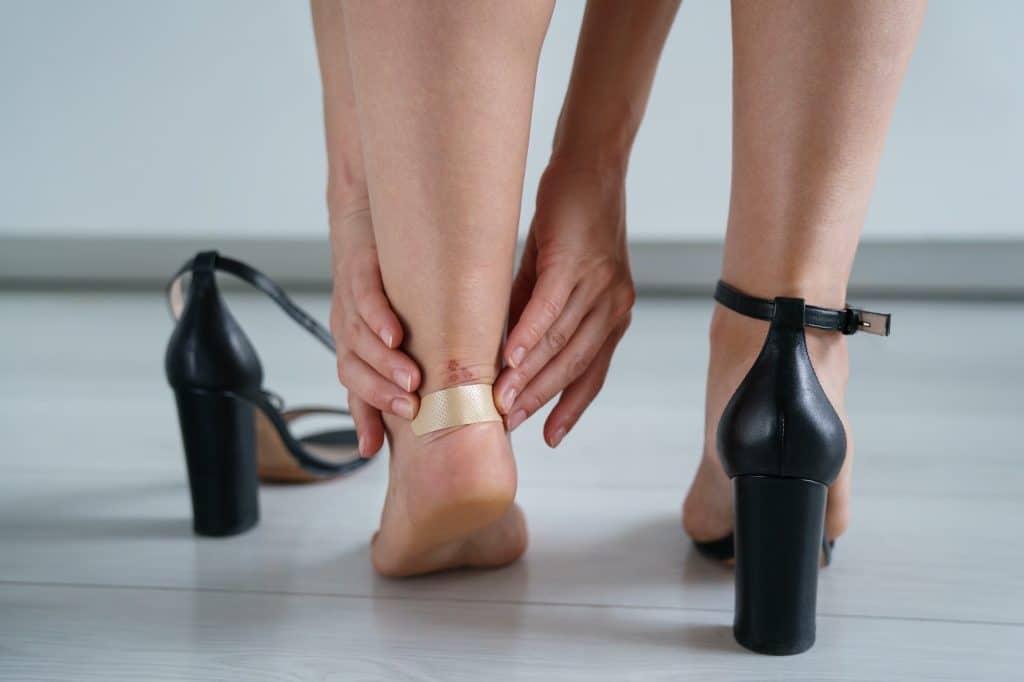
Foot problems are more common than one might think, and they can arise from various causes, ranging from external factors like footwear to genetic predispositions. One of the most prevalent issues is blisters, which are often caused by friction between the foot and shoe. While they might seem minor, if left untreated, they can lead to infections.
Another common ailment is plantar fasciitis, an inflammation of the tissue connecting the heel bone to the toes. This condition often results from strain injuries, which can be due to factors like excessive running, wearing unsupportive shoes, or having flat feet. Similarly, bunions and hammertoes are deformities that can cause pain and discomfort. They often develop due to genetic factors, but wearing tight or narrow shoes can exacerbate the problem. Recognizing these issues and understanding their causes is the first step toward effective treatment and prevention.
The Role Of Footwear In Foot Health

Footwear isn’t just a fashion statement; it plays a significant role in the health and well-being of your feet. Ill-fitting or unsupportive shoes can lead to a myriad of problems, from blisters and corns to more severe conditions like bunions or plantar fasciitis. When shopping for shoes, it’s crucial to prioritize fit, support, and material over aesthetics. A shoe that fits well will reduce the risk of friction-related problems, while adequate support can prevent strain injuries.
Moreover, the material of the shoe matters. Breathable materials like leather or canvas can prevent excessive sweating, reducing the risk of fungal infections. On the other hand, synthetic materials might look appealing but can trap moisture, creating a breeding ground for bacteria and fungi. Investing in quality footwear and ensuring a proper fit can save you from many foot-related issues down the line.
Daily Foot Care Routine

A daily foot care routine is essential for maintaining the health and hygiene of your feet. Just as you brush your teeth or wash your face daily, your feet, too, deserve consistent attention. Begin with a thorough wash, ensuring that you clean between the toes where dirt and moisture can accumulate. After washing, it’s crucial to dry your feet completely, as damp environments can promote fungal growth. Regularly inspecting your feet for any abnormalities, such as cuts, blisters, or discolorations, can help catch potential issues early on.
Moisturizing is another vital step in daily foot care. The skin on your feet, especially on the heels, can become dry and cracked, leading to discomfort and potential infections. Using a foot-specific moisturizer can help maintain skin elasticity and prevent dryness. For those with conditions like athlete’s foot, there are antifungal creams available that can both moisturize and treat the infection. Remember, a little daily care can go a long way in preventing foot problems.